
Europe Severe Weather Brings Red Alerts as France Sees Three Heat-Related Deaths
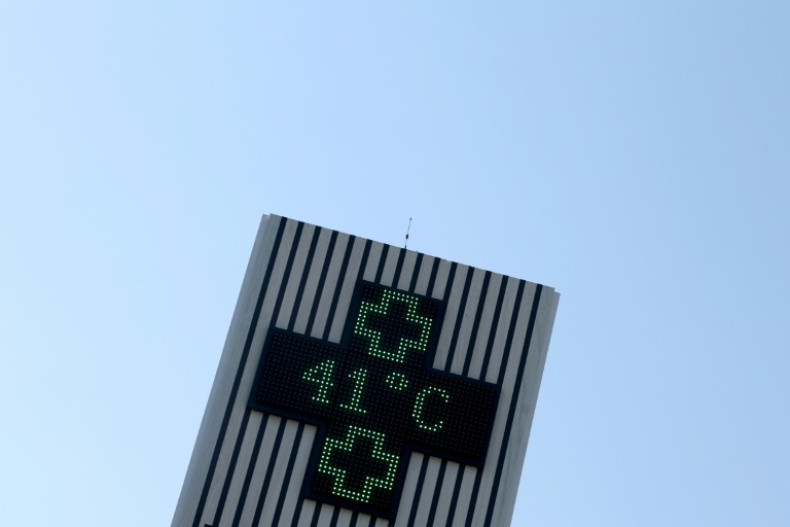
Europe severe weather is bringing red alerts across much of the continent as an intensifying early summer heatwave sees temperatures exceeding 40°C in parts of France and Spain, rail services cut, schools closed, and at least three heat-related deaths reported in France. France placed 49 of 96 mainland departments on red alert, with temperatures reaching over 40°C in some areas. [1] Three elderly deaths in Gironde were attributed partly to the heat, and 13 drowning deaths were linked to attempts to cool off. [2] Britain’s Met Office issued a rare red warning for extreme heat covering central and southern England including London, with temperatures forecast up to 38-40°C from Wednesday to Thursday. [2] Spain’s Aemet warned of extremely high temperatures up to 44°C until Wednesday, 5-10°C above seasonal norms, with little nighttime relief below 25-30°C in places. [1] An outdoor World Cup screening was canceled in Madrid. [2] Belgium expects its hottest temperatures ever recorded this week, with rail services cut to avoid breakdowns. [1] Wildlife shelters report a surge in heat-affected birds and animals. [4] Scientists including Akshay Deoras attribute the record heat to human-driven climate change, which loads the atmosphere with extra heat. [1] Meteo-France notes 34 of 51 heatwaves since 1947 occurred after 2000. [2] Over 200,000 heat-related deaths have been reported across the EU since 2022, with officials warning of risks to the elderly and vulnerable. [3] Measures include school closures, event cancellations, and public alcohol bans in France. [1]
Europe's Red Alerts for the Intensifying Heatwave
France placed 49 of 96 mainland departments on red alert, with temperatures reaching over 40°C in some areas. [1] In the southwest Gironde region, local officials said the deaths of three people, aged 80 to 95, were in part due to the intense heat. [1] Temperatures in Bordeaux in southwestern France were forecast to exceed 42°C on Monday. [4] Britain’s Met Office on Monday issued a rare red warning for extreme heat, the national weather agency’s highest alert level, indicating risk to life and the possibility of major infrastructure such as roads and railways being closed. [2] The warning runs from 9am on Wednesday to 9pm on Thursday and covers a large area of central and southern England, including London and Birmingham. [2] Shade temperatures could rise as high as 38 to 40°C in the affected area. [2] Spain’s weather service Aemet on Sunday warned of extremely high temperatures for the season, day and night, until Wednesday. [1] Temperatures are forecast to reach 44°C in some areas. [1] Spain’s Aemet issued a red alert for the Basque country, with the mercury in San Sebastian set to rise to a high of 40°C. [4] Belgium expects temperatures to be the hottest ever recorded there this week. [1] Belgian national rail company SNCB announced that some rush hour trains had been canceled for Monday and Tuesday to reduce the risk of breakdowns blocking the tracks. [5] Eight cities in northern and central Italy were also under red alert, including Turin, where temperatures inland peaked at 39°C. [5] Europe on Monday was the continent furthest from its historic norm, with an average high temperature of 24°C, which was 4.1°C above what was typical from 1961-1990. [4]
Human and Health Impacts So Far

Europe experiences red alerts as an early heatwave pushes temperatures above 40°C in France and Spain. — Source: france24 France recorded heat-related deaths over the weekend. [1] In the southwest Gironde region, local officials said the deaths of three people, aged 80 to 95, were in part due to the intense heat. [1] Thirteen people died by drowning in searing temperatures in France over the weekend. [2] The government’s emergency response cell warned people not to try to cool off in unsupervised areas such as lakes and rivers, after the drowning deaths at the weekend, which included a 13-year-old girl. [2] Over 200,000 people across the EU have died due to heat since 2022. [3] More than 200,000 people across Europe have died from heat-related causes over the last four years. [5] Officials warn of risks to the elderly and vulnerable. [2] Wildlife shelters in northern Europe were struggling to cope with the number of animals being brought in suffering from the heat. [4] Birds such as swifts, swallows, sparrows and starlings, which make their nests in the eaves of roofs, have been particularly affected by abnormally high temperatures. [4] A wildlife refuge in Temploux in Belgium received 150 animals in the last three days. [4] Temperatures on the roofs can sometimes reach 50, even 60°C, so birds prefer to jump rather than let themselves die and literally cook in their nests. [4]
Government and Public Response Measures
Officials announced the closure of 845 schools yesterday with another 1,800 set to let students leave earlier than normal. [1] Some 845 schools were shut on Monday because of the heat, with another 1,800 set to allow students to leave earlier than usual. [2] In several towns, an annual music festival was canceled. [1] The government banned alcohol consumption in public places on health and public order grounds in departments already under the weather red alert. [1] France and Belgium announced cuts to their rail services, mainly commuter lines in and around Paris in France. [1] Belgian national rail company SNCB announced that some rush hour trains had been canceled for Monday and Tuesday to reduce the risk of breakdowns blocking the tracks. [5] An outdoor screening of Spain’s World Cup football match against Saudi Arabia was scrapped in Madrid. [2] Some outdoor sports events have been cancelled. [5] Emergency services and military forces are on wildfire alert. [5] Public alcohol consumption has been restricted. [5] French Health Minister Stephanie Rist said the country is heading for at least several days of very, very hot weather. [4] French Minister Delegate to the Minister for Ecological Transition, Biodiversity and International Negotiations on Climate and Nature Mathieu Lefevre said the heat wave was particularly intense and particularly early. [1]
Link to Climate Change and Recent Trends
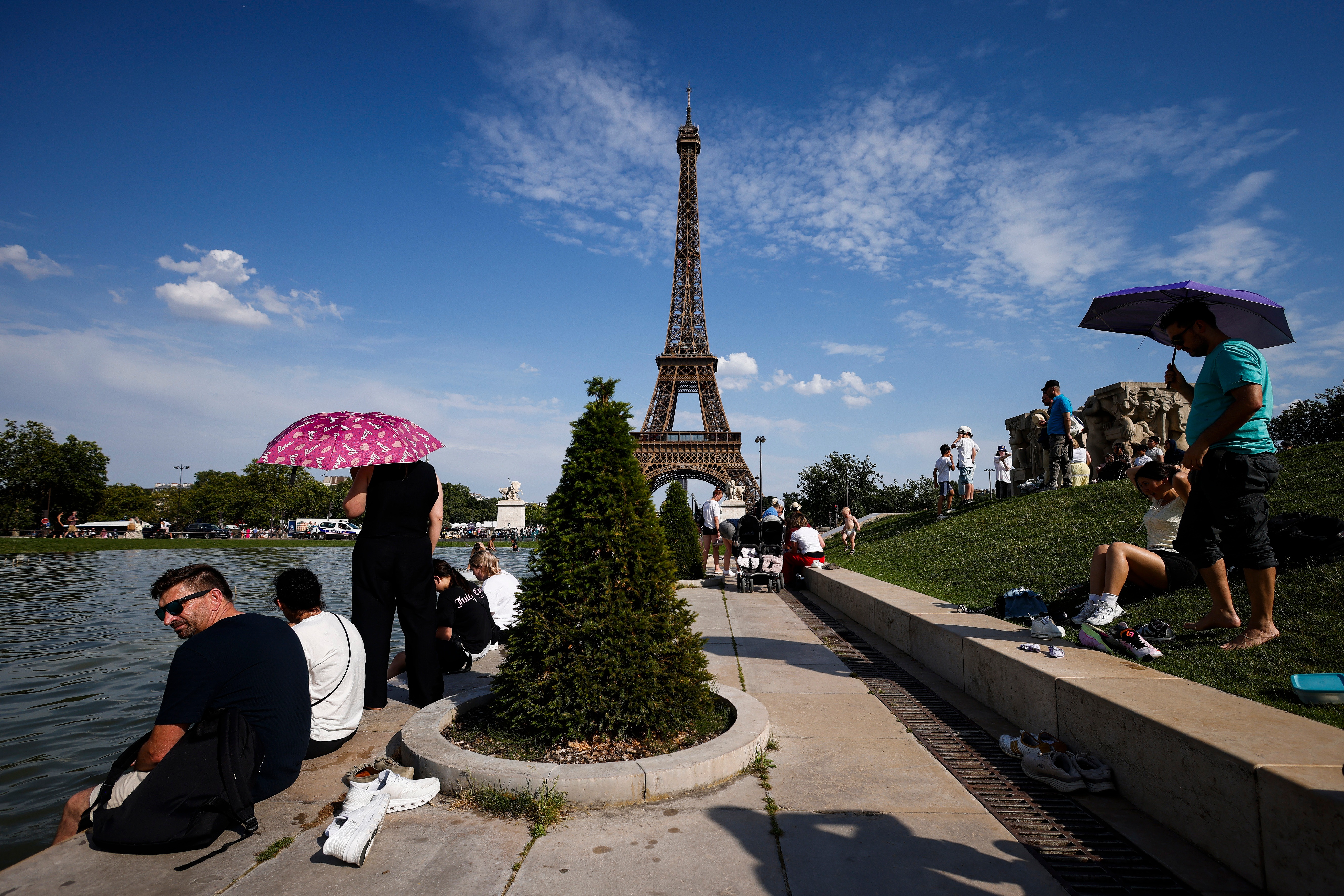
Europe experiences extreme heatwave with temperatures exceeding 40C in France and Spain. — Source: dailymaverick Akshay Deoras, a senior researcher at the University of Reading’s National Centre for Atmospheric Science, in England, said it was clear what was behind the rash of heat records. [1] Human-driven climate change has provided the springboard for this event, loading the atmosphere with extra heat and making extreme temperatures far more intense than they would have been in the past. [1] Meteo-France says that of the 51 heatwaves recorded nationwide since 1947, 34 have taken place since 2000 and 26 since 2011. [2] Scientists have shown that recurring heatwaves are a clear marker of global warming, and warn they are set to become more frequent, longer and more intense. [2] Last month, several European countries reported record temperatures for that time of year. [1] The current heatwave is the second in consecutive months, after an unusually hot spell in May broke new ground. [2] Liz Bentley, the chief executive of Britain’s Royal Meteorological Society, predicted that existing UK heat records for June would be annihilated, as had already happened in May. [2]
Regional Variations and Nighttime Heat
Spain’s weather service Aemet warned of extremely high temperatures for the season, day and night, until Wednesday, with temperatures forecast to hit 44°C in some areas. [2] The extremely high temperatures were between five and 10 degrees above what is typical for this period in general. [2] In some northern areas even more than 10 degrees above average were seen. [4] The night was providing little relief in some parts of Spain, with temperatures failing to drop below 25°C or even 30°C in places like the southwestern province of Almeria. [4] Portugal’s IPMA weather agency said temperatures were above average in general but in some northern and central inland regions were close to previously recorded maximums. [2] Temperatures in Belgium are expected to be the hottest ever recorded there in the coming week. [5] Wildlife shelters in northern Europe were struggling to cope with the number of animals being brought in suffering from the heat. [4] Birds such as swifts, swallows, sparrows and starlings have been particularly affected. [4]
Comparison to Past Heatwaves and Outlook
French forecasters said the current heatwave could end up being as serious as the one in August 2003 that claimed the lives of about 15,000 in France. [1] French forecasters say the current heatwave, which has already been blamed for the deaths of several elderly people, could end up being as serious as the one in August 2003 that claimed the lives of nearly 15,000 in France. [2] It has been less than a month since a May heatwave set records across several European countries. [3] Now the heat is back and temperatures across the continent may rise even higher in coming days. [3] Temperatures will drop Thursday, but the heat will remain intense. [1] More above-average temperatures are expected this summer, raising the risk of heat exhaustion and life-threatening heat stroke. [5] According to the WHO, 200,000 people across the EU have died due to heat since 2022. [3]
What to watch next: Temperatures will drop Thursday but the heat will remain intense, with more above-average temperatures expected this summer.