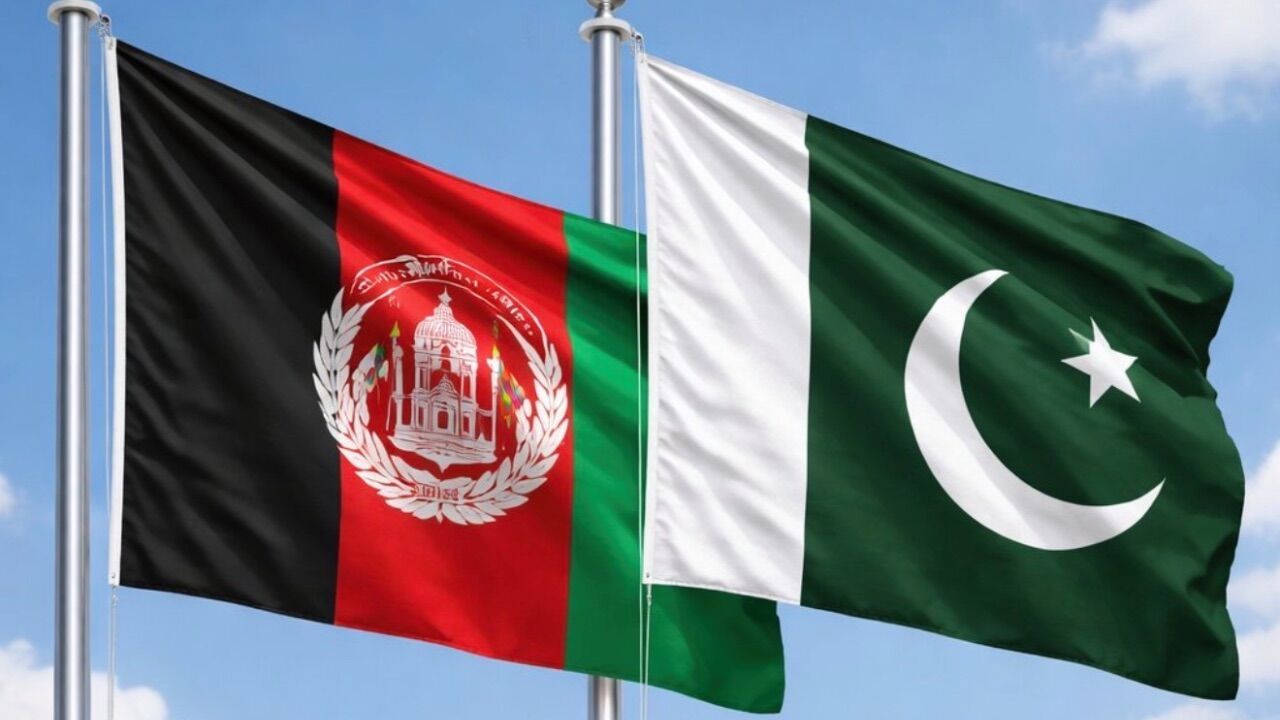

Escalation at the Border: Analyzing the Immediate Fallout of the Pakistan-Afghanistan War Declaration
Immediate Humanitarian Crisis Following War Declaration
Reports confirm widespread civilian evacuations from border districts like Pakistan's Khyber Pakhtunkhwa and Bajaur agencies, and Afghanistan's Nangarhar and Kunar provinces. UN agencies estimate over 50,000 people have been displaced since dawn, with families fleeing artillery exchanges that began escalating at 0600 local time. Refugee camps in Peshawar and Jalalabad are overwhelmed, lacking essential supplies such as water, food, and medical aid amid harsh winter conditions.
Local economies are facing collapse: Cross-border trade, valued at $2.5 billion annually, has halted instantly, stranding truckers and merchants. Infrastructure damage includes the destruction of two bridges over the Kunar River by Pakistani airstrikes, cutting power to 100,000 homes. Aid groups like the International Red Cross report over 200 civilian casualties in the first hours, primarily from shrapnel and collapsed structures. Confirmed border closures are enforced, with unconfirmed reports suggesting an additional 20,000 individuals fleeing toward Iran.
Historical Context: Lessons from Past Conflicts
The war declaration stems from a rapid escalation on February 27, 2026: Morning border clashes in Torkham intensified after Afghan forces shelled Pakistani outposts, resulting in the deaths of 15 soldiers. By 1400, Pakistan invoked Article 51 of its constitution, declaring open war—mirroring the swift transitions from skirmishes to full-scale invasions seen in the 1979 Soviet-Afghan War and the 2001 U.S. intervention.
Historical conflicts provide grim lessons: The 1979-89 Soviet occupation displaced 5 million people and devastated agriculture; the post-2001 Taliban resurgence saw 2.6 million refugees. Overlooked warning signs, such as months of disputes over the Durand Line and Taliban proxy attacks, echo these patterns, amplifying civilian vulnerability as militaries prioritize territorial gains over humanitarian evacuations.
Military Strategies vs. Humanitarian Needs: A Clear Divide
Pakistan's military strategy emphasizes air superiority, with F-16 strikes targeting Taliban positions in Afghanistan's Spin Boldak, aiming to secure the border and deter incursions. In contrast, Afghanistan's Taliban-led forces employ asymmetric guerrilla tactics, utilizing mountain redoubts for rocket barrages into Pakistan, drawing from Soviet-era strategies.
However, humanitarian needs are starkly neglected: Neither side has designated safe corridors, as mandated by the Geneva Conventions. Pakistan's rapid military mobilization overlooks the 1.4 million Afghan refugees already in its territory, while Taliban rhetoric pledges “total war,” disregarding the necessity for aid pauses. This divide risks famine, particularly as border regions produce 40% of the regional wheat supply, exacerbating a crisis where military “victories” yield a pyrrhic human toll.
What People Are Saying
Social media is abuzz with reactions: @UNHCRorg tweeted, "Urgent: 50K+ displaced at Pakistan-Afghan border. Scale up aid NOW #AfPakCrisis." Pakistani journalist @HamidMirPAK remarked, "War declaration reckless—civilians pay the price again." Meanwhile, Taliban mouthpiece @QariYusuf shared celebratory footage, but Afghan users like @KabulDiaries lamented: "Our villages are burning while leaders fight. When does it end?" Experts, including ICRC's Roger Briard, warn of a potentially "catastrophic" refugee surge.
Looking Ahead: What This Means
The humanitarian situation is expected to escalate dramatically, with projections indicating 500,000 displaced individuals by the week's end if ceasefires are not established. An international response is likely, with U.S. and China engaging in shuttle diplomacy and a potential UN Security Council emergency session. Rising casualties could shift regional alliances, with Pakistan drawing closer to India and Afghanistan courting Iran and Russia. Additionally, keep an eye on refugee flows into Iran and Tajikistan, as well as potential famine declarations in the region.
This is a developing story and will be updated as more information becomes available.
*(Word count: 610)