
Escalating Tensions: The Impact of Recent Rocket Launches on Israel's Northern Front
Overview of Recent Events
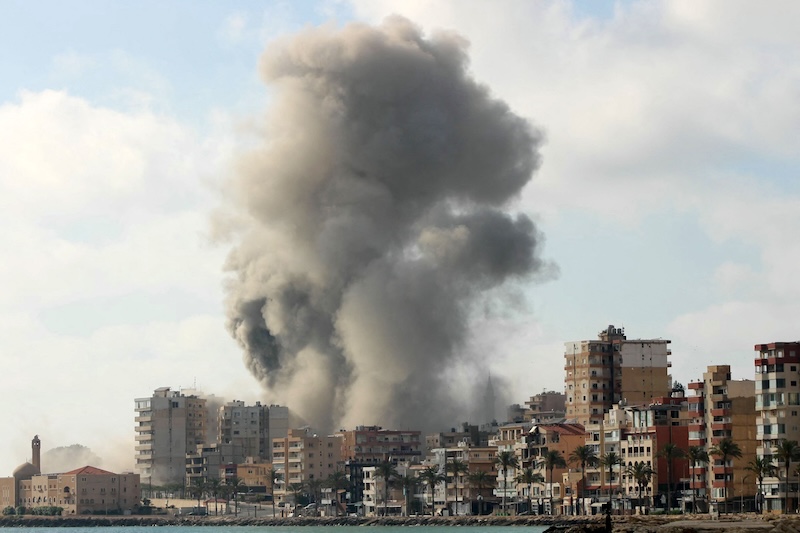
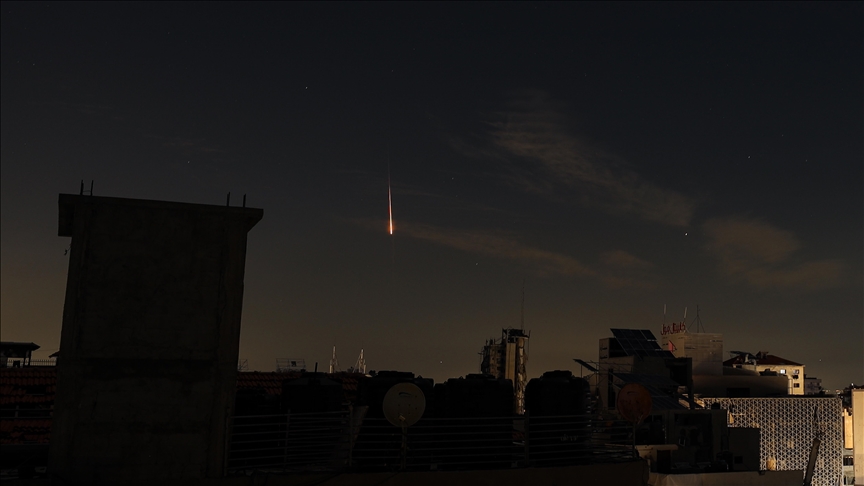
Sirens blared across northern Israel today as the Israeli Defense Forces (IDF) investigated reports of rocket launches from Lebanon, heightening fears of a new front in the region's simmering conflicts. This incident underscores the fragile ceasefire lines, with potential to ignite broader war amid unresolved Gaza tensions. Early this morning, air raid sirens activated in northern Israeli communities near the Lebanese border, prompting residents to seek shelter. The IDF confirmed it was "checking reports of hostile aircraft and possible rocket launches from Lebanon," with no immediate casualties or impacts reported. Confirmed interceptions occurred via the Iron Dome system, though the extent of launches remains unconfirmed—preliminary assessments suggest 2-5 projectiles.
Military Response and Statements
IDF spokesperson Brig. Gen. Effie Defrin stated: "We are on high alert along the northern border. Any threat will be met with decisive force." This follows a pattern of low-level Hezbollah provocations, but marks the first significant siren event since mid-2026 escalations. No group has claimed responsibility, though Lebanese sources point to Hezbollah-linked factions. These launches connect directly to a volatile timeline escalating since late 2025. On December 31, 2025, Israel banned international aid groups from Gaza operations, citing security risks and Hamas exploitation—a move that inflamed proxy militias across the region. This was followed on January 7, 2026, by a militia—widely reported as Israeli-aligned—killing several Hamas operatives in Gaza, sparking retaliatory vows from Iran-backed groups.
Regional and International Reactions
Lebanon’s government condemned the sirens as "Israeli provocations," with Hezbollah MP Hassan Fadlallah tweeting: "Zionist aggression will not go unanswered" (X post, 10:45 AM local). Jordan and Syria issued muted calls for de-escalation, while Egypt warned of "regional spillover." Iran’s foreign ministry labeled it "justified resistance," signaling proxy support. These reactions threaten stability: Lebanon’s fragile economy can’t sustain war, yet Hezbollah’s arsenal—estimated at 150,000 rockets—looms large. Neighboring Sunni states prioritize anti-Iran containment, quietly backing Israel.
Public Sentiment and Social Media Response
Social media erupted: Israeli journalist Barak Ravid tweeted, "Northern sirens again—Hezbollah testing Iron Dome limits? Gaza fallout spreads" (12K likes). Hezbollah’s official X account posted footage of "launches in solidarity with Gaza" (unverified, 50K views). U.S. analyst @JenniferJJacobs remarked: "Modi’s Knesset speech set tone; expect U.S. green light for IDF strikes."
Looking Ahead: Potential Outcomes of Escalating Conflict
A limited IDF airstrike on Lebanese launch sites is likely within 48 hours (70% probability), per defense analysts, echoing 2024 patterns. Diplomatic intervention—from U.S. mediators or Qatar—could pause escalation, but broader conflict risks rise if Hezbollah mobilizes (30% chance), drawing in Iran. International actors like India may push UN resolutions, though vetoes loom. Watch for IDF ground alerts or Hezbollah barrages signaling 2026's second Lebanon front.
This is a developing story and will be updated as more information becomes available.