
Escalating Tensions Between Saudi Arabia and UAE Over Yemen's Future
Tensions between Saudi Arabia and the United Arab Emirates (UAE) regarding the future of Yemen have reached a critical juncture, following a surprising announcement from the Southern Transitional Council (STC) regarding a potential referendum for independence. This development highlights a significant shift in alliances and influence in the region, as both nations grapple with their strategic interests in Yemen amidst ongoing conflict.
On January 2, 2026, the STC, which seeks greater autonomy for southern Yemen, declared its intention to hold a referendum on independence. This announcement has raised alarms in Riyadh, as Saudi Arabia has traditionally supported a unified Yemen under its influence. The STC’s move could be seen as a direct challenge to Saudi Arabia's authority and strategic objectives in the region.
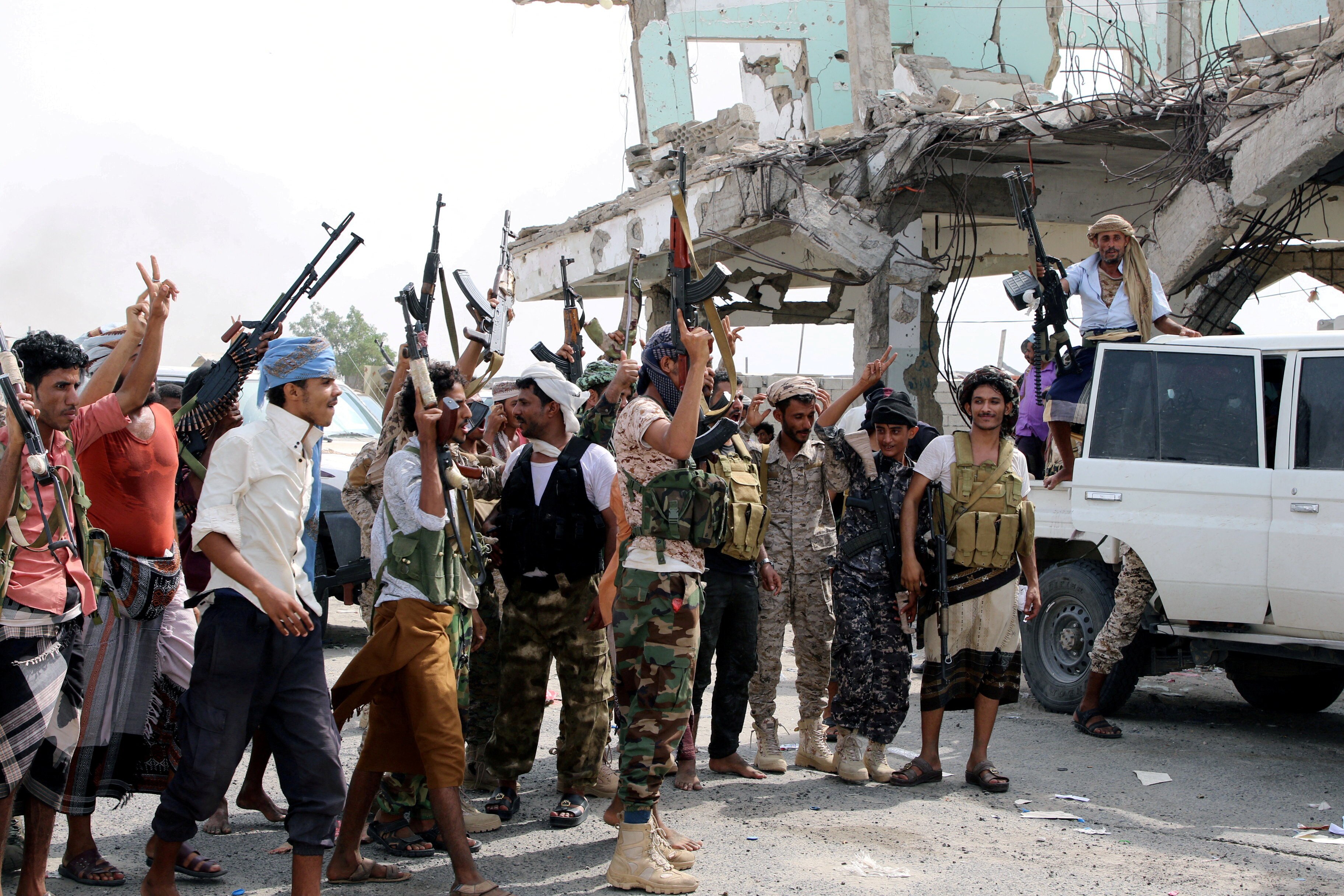
The escalating tensions come at a time when the Yemeni civil war, which has been ongoing since 2014, continues to create instability and humanitarian crises. The involvement of foreign powers, including Saudi Arabia and the UAE, has further complicated the conflict, as both countries have supported different factions within Yemen. The UAE has been particularly supportive of the STC, while Saudi Arabia has stood by the internationally recognized government led by President Abdrabbuh Mansur Hadi.
The recent developments indicate growing friction between the two Gulf states, which have previously collaborated in their military operations against the Houthi movement. However, their divergent interests in Yemen have started to surface more prominently, highlighting a potential rift. Analysts suggest that the STC's announcement could signal a broader shift in the region, where smaller factions are asserting their influence at the expense of traditional power dynamics.
Saudi Arabia's concerns extend beyond the immediate implications of the referendum. The kingdom has invested considerable resources into the Yemeni conflict, aiming to restore the Hadi government and counter Iranian influence in the region. The STC’s push for independence could undermine these efforts and create a power vacuum that may benefit other regional players, including Iran, which has been supportive of the Houthis.
In response to the STC's announcement, Saudi officials have expressed their discontent, emphasizing the need for a unified Yemen. The kingdom has called for dialogue among Yemeni factions to address grievances and maintain stability. However, the STC appears resolute in its pursuit of independence, potentially leading to further escalation in the region.
Background
Yemen has been embroiled in a devastating civil war since 2014, when the Houthi movement overthrew the Hadi government. A coalition led by Saudi Arabia intervened in 2015, launching a military campaign to restore Hadi’s government. The conflict has resulted in one of the world's worst humanitarian crises, with millions facing famine and health crises.
The UAE's involvement has been particularly focused on southern Yemen, where the STC has gained significant ground. The STC was established in 2017 and has since sought to assert control over southern territories, previously governed by the now-defunct Republic of South Yemen, which existed before unification in 1990.
Conclusion
As the situation in Yemen evolves, the ramifications of the STC's announced referendum could reverberate beyond its borders, affecting regional alliances and power dynamics. The tensions between Saudi Arabia and the UAE reflect a broader struggle for influence in a country that has been ravaged by war for nearly a decade. Observers will be closely monitoring how this conflict unfolds, particularly as both nations reassess their strategies in response to the shifting landscape in Yemen.