
Escalating Sudan Conflict: Calls for Darfur No-Fly Zone Follow Deadly Attacks as Pakistan Reportedly Supplies Attack Aircraft
Khartoum, Sudan – Urgent international calls for a no-fly zone over Sudan's Darfur region have intensified following deadly attacks in the villages of Al Zurug and Gurayr, amid reports of a major arms deal between Pakistan and Sudan that could bolster one side's aerial capabilities in the country's protracted civil war.
The appeals for a no-fly zone emerged on January 6, 2026, highlighting growing concerns over aerial bombardments exacerbating the humanitarian crisis in Darfur. Activists and regional observers cited recent strikes in Al Zurug and Gurayr – areas in North Darfur controlled amid fierce fighting between the Sudanese Armed Forces (SAF) and the paramilitary Rapid Support Forces (RSF) – as tipping points. These attacks, which reportedly caused civilian casualties and displacement, have renewed demands to restrict military flights, similar to measures imposed in past conflicts like Libya in 2011.
Just days later, on January 10, 2026, reports surfaced of Pakistan agreeing to supply Sudan with attack aircraft and drones valued at $1.5 billion. The deal, detailed in Sudanese media citing Pakistani defense sources, underscores deepening foreign involvement in Sudan's war, which erupted in April 2023 between SAF leader Gen. Abdel Fattah al-Burhan and RSF commander Mohamed Hamdan Dagalo, known as Hemedti.
Intensifying Aerial Warfare in Darfur
Darfur, a vast western region long scarred by genocide and ethnic violence since the early 2000s, remains a flashpoint. The current conflict has seen RSF forces, with roots in the Janjaweed militias, dominate much of Darfur, while SAF relies heavily on air power for counteroffensives. Strikes in Al Zurug and Gurayr, both rural communities near El Fasher, illustrate the pattern: SAF aircraft have been accused by human rights groups of indiscriminate bombings targeting RSF positions but hitting civilians.
"These attacks demand immediate action," stated representatives from Darfur-based advocacy groups in initial calls reported on January 6. The severity of the situation was rated medium by monitoring platforms, signaling potential for rapid escalation without intervention. A no-fly zone, enforced potentially by international partners like the UN or African Union, would aim to ground combat aircraft, protecting aid deliveries and civilian populations. However, implementation faces hurdles, including Russian and UAE support for opposing factions – Russia via Wagner-linked mercenaries backing RSF, and the UAE allegedly aiding the paramilitaries logistically.
Pakistan's Reported Arms Package
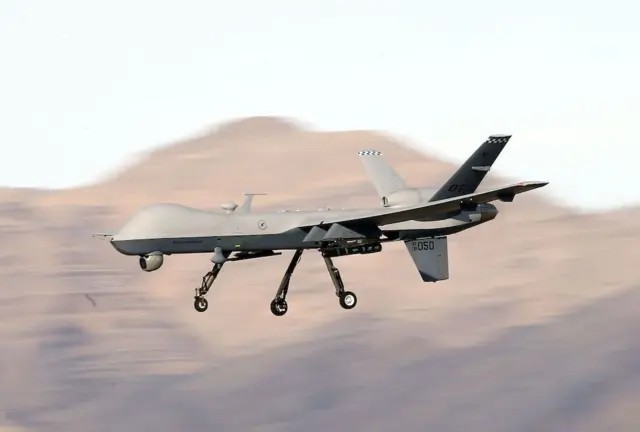
The timing of the Pakistan deal reports amplifies geopolitical tensions. According to the Sudanese outlet Sudanile, citing defense industry sources, the $1.5 billion package includes JF-17 Thunder fighter jets – co-produced by Pakistan and China – and armed drones such as the Burraq and Shahpar series. These platforms are combat-proven in Pakistan's operations against militants and could significantly enhance SAF's air fleet, which has suffered losses to RSF ground fire and manpads.
Pakistan, a Sunni-majority nation with historic ties to Sudan dating back to joint UN peacekeeping missions, has deepened military cooperation. Sudanese military delegations visited Islamabad in late 2025, amid SAF's push to counter RSF advances. Neither Khartoum nor Islamabad has officially confirmed the deal, but it aligns with Pakistan's export drive for its defense sector, which has sold JF-17s to Nigeria and Myanmar.
This development risks prolonging the war, which has killed over 20,000 people, displaced 10 million, and triggered famine warnings across Sudan, per UN estimates as of late 2025. External powers – Egypt and Iran backing SAF, UAE and Chad supporting RSF – have flooded the conflict with arms, violating a UN arms embargo imposed since 2004.
Background: Sudan's Fractured Geopolitics
Sudan's war stems from a power struggle post-2019 revolution that ousted Omar al-Bashir. SAF and RSF initially partnered but clashed over integration. Darfur's volatility echoes the 2003-2020 conflict, where 300,000 died. Recent RSF atrocities in El Geneina and elsewhere drew genocide accusations, prompting US sanctions on Hemedti in 2025.
International mediation, led by the US, Saudi Arabia, and IGAD, has stalled. Jeddah talks collapsed in 2024, and a January 2025 African Union roadmap yielded little. China's veto power in the UN Security Council, due to its investments in Sudanese oil, complicates no-fly zone resolutions.
Outlook Amid Stalemate
As calls for a Darfur no-fly zone gain traction among Western NGOs and Sudanese exiles, the Pakistan arms reports signal SAF's intent to dominate the skies. Aid agencies warn of worsening hunger, with 25 million facing acute food insecurity. Diplomatic pressure mounts for a ceasefire, but factional entrenchment and foreign proxies suggest prolonged strife. The UN Security Council may revisit options, though consensus remains elusive.
Sudan's crisis, once regional, now draws global scrutiny for its ripple effects on Red Sea shipping and Sahel migration routes. Resolution hinges on halting arms flows and enforcing protections, but recent events indicate deepening divides.






