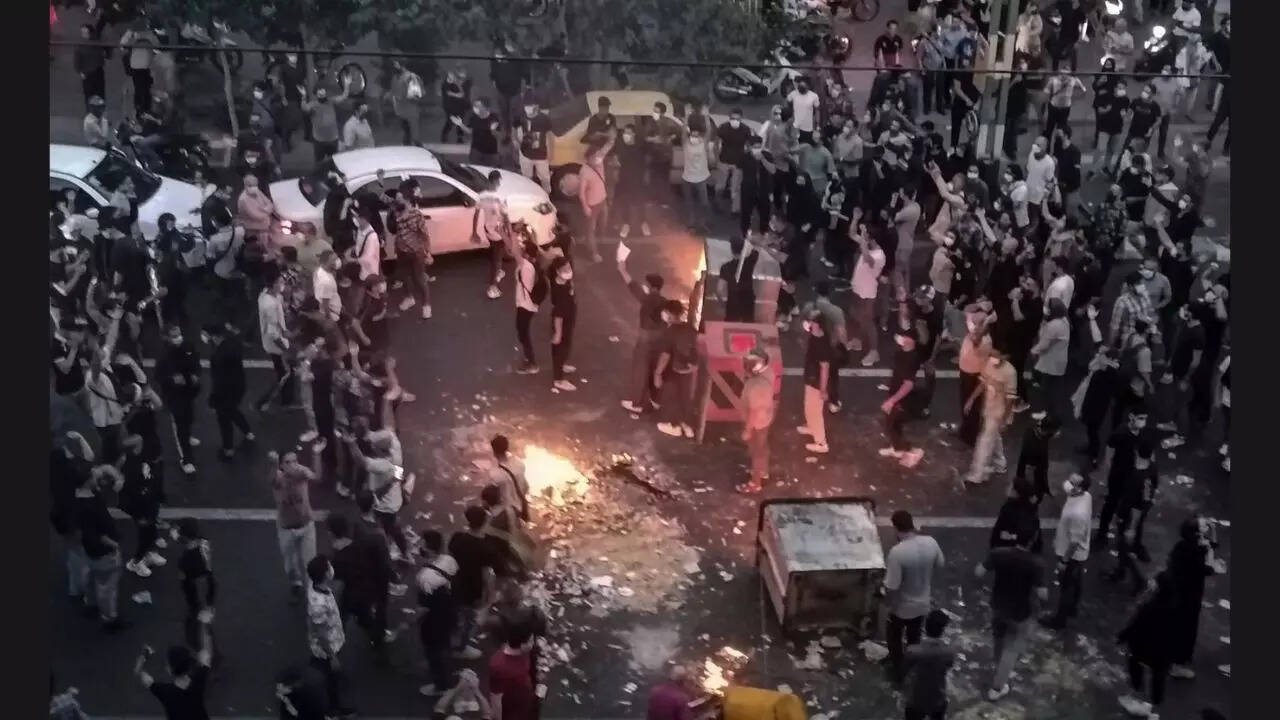

Escalating Protests Rock Iran Amid Economic Collapse, Triggering Nationwide Internet Shutdown and Global Scrutiny
TEHRAN — Widespread protests have erupted across Iran, driven by acute economic hardships including rampant inflation and a collapsing national currency, prompting the government to impose sweeping internet and phone service blackouts. The unrest, which began intensifying around January 2, 2026, has drawn unusual domestic political commentary, with Iran's Foreign Ministry expressing support for the ongoing demonstrations—a move signaling potential internal divisions amid the crisis. Internationally, former U.S. President Donald Trump has issued a stark warning to Tehran against violent suppression of the protesters.
The demonstrations, now spanning multiple cities, stem from years of mounting public frustration over economic mismanagement, exacerbated by international sanctions and domestic policy failures. Protesters have taken to the streets demanding relief from skyrocketing prices for basic goods, with reports of clashes forcing authorities to sever digital communications to curb coordination and information flow. According to key developments reported on January 9, 2026, the government's restrictions have plunged large swathes of the country into a communication void, reminiscent of tactics used during previous waves of unrest.
Reza Pahlavi, the exiled crown prince and son of the last Shah of Iran, has vocally condemned the crackdown. In statements circulated online, Pahlavi described the internet shutdown as a desperate bid to silence dissent and called for immediate international intervention to protect demonstrators. "The regime's fear is palpable," he said, urging global leaders to support the Iranian people's push for change.
From Washington, former President Trump amplified the pressure, posting on social media: "Going to hit them very hard" if Iran resorts to violence against protesters. U.S. officials have echoed calls for restraint, voicing support for peaceful demonstrations while monitoring the situation closely. These remarks come at a time of heightened U.S.-Iran tensions, particularly as Trump prepares for a potential return to office following his 2024 election victory.
Iran's Foreign Ministry, typically a staunch defender of the Islamic Republic's policies, issued a statement on January 2 expressing support for the "ongoing protests in the country." Classified as high-severity civil unrest by monitoring platforms, this endorsement represents a significant political stance, potentially aimed at channeling public anger or signaling concessions amid the severity of the crisis. However, it contrasts with the government's simultaneous imposition of communication curbs, highlighting the complex dynamics within Tehran's leadership.
Background on Iran's Recurring Unrest
Iran has a long history of protest movements triggered by economic grievances and demands for political reform. The current wave echoes the 2019 "Bloody November" protests, where fuel price hikes sparked nationwide fury, leading to over 300 deaths according to Amnesty International, and similar internet blackouts. More recently, the 2022-2023 Mahsa Amini protests, ignited by the death of a young woman in morality police custody, drew global attention and resulted in hundreds of fatalities, as documented by human rights groups like Human Rights Watch.
Economically, Iran grapples with hyperinflation exceeding 40% annually, a rial that has lost over 90% of its value against the U.S. dollar since 2018, and unemployment rates hovering around 10-12%, per World Bank data. U.S. sanctions reimposed under Trump in 2018 and maintained through the Biden administration have crippled oil exports, Iran's economic lifeline, reducing revenues by billions. Domestic factors, including corruption allegations and inefficient subsidies, have compounded the crisis, with food prices surging amid subsidy cuts.
The protests' rapid spread—reported in cities from Tehran to Isfahan and Mashhad—underscores the breadth of discontent. Social media footage, captured before the shutdown, showed crowds chanting against economic policies and chanting slogans reminiscent of earlier uprisings.
International Response and Outlook
The international community has responded with measured concern. The European Union has called for dialogue and respect for human rights, while neighboring Gulf states remain cautious, wary of regional instability. Israel's government, a frequent Tehran adversary, has stayed largely silent, though analysts note potential opportunities for strategic pressure.
As of January 9, 2026, the situation remains fluid. The internet blackout, aimed at isolating protesters, risks further alienating the public and could prolong the unrest if economic demands go unmet. With the Foreign Ministry's supportive rhetoric adding an layer of unpredictability, observers question whether this signals a policy pivot or mere rhetoric.
Should the protests persist, they could challenge the stability of President Ebrahim Raisi's administration, already strained by regional conflicts including Iran's backing of proxies in Gaza and Lebanon. Human rights monitors warn of potential escalations in state violence, drawing parallels to past crackdowns. For now, Iranians navigate a dual reality of economic despair and digital darkness, with the world watching for Tehran's next move.
(Word count: 712)






