
Escalating Protests in Iran Highlight Political Tensions and Economic Struggles
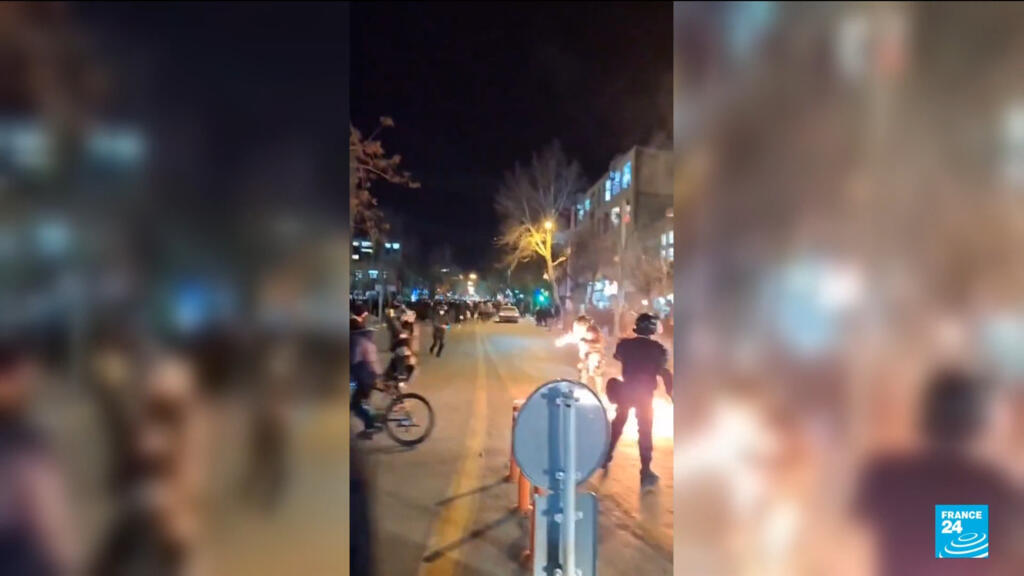
Protests across Iran have intensified as demonstrators take to the streets against the leadership of Supreme Leader Ayatollah Ali Khamenei and the broader political establishment. The demonstrations, now in their sixth day, represent the most significant unrest since the "Woman, Life, Freedom" movement that erupted in 2022 following the death of Mahsa Amini in police custody. The Iranian Foreign Ministry's recent expression of support for the protests adds a complex layer to the ongoing situation, as clashes between security forces and protesters are reported in multiple cities, including the capital, Tehran.
The protests, which began on January 1, 2026, have evolved from initial economic grievances to broader calls for political reform. Demonstrators have been vocal about their discontent with the theocratic regime, chanting slogans that reflect deep-rooted frustrations with the leadership. While some experts suggest that the protests are not a unified movement aimed at regime change, they highlight systemic fractures within Iranian society and a call for economic relief from decades of external pressures, particularly from the United States.
Context of the Protests
The current wave of protests is primarily fueled by the economic hardships faced by ordinary Iranians, exacerbated by ongoing sanctions and economic mismanagement. The Iranian economy has been struggling under the weight of international sanctions and internal corruption, leading to rising prices, unemployment, and a declining standard of living. Some analysts argue that the protests are not merely a reaction to political repression but a broader demand for economic justice and relief from what many perceive as a "US economic war" against Iran.
Masoud Pezeshkian, the elected President of Iran, has attempted to adopt a conciliatory tone in response to the unrest, pledging dialogue with protest leaders to address the pressing cost-of-living crisis. However, this has been met with resistance from hardline factions within the government that advocate for a more stringent approach to quell the protests.
International Reactions and Domestic Responses
The unrest has attracted international attention, particularly from U.S. officials. President Donald Trump has threatened intervention should the Iranian government resort to violence against protesters, a statement that has provoked a strong backlash from Iranian officials. They have condemned Trump's remarks, warning that any foreign interference would not only destabilize Iran but also jeopardize U.S. interests in the Middle East.
As the protests continue to unfold, the Iranian government appears to be caught between the need to maintain order and the acknowledgment of the legitimate grievances being raised by the populace. The Foreign Ministry's support for the protests marks a notable departure from typical government rhetoric, suggesting an internal struggle regarding the best approach to handle the escalating situation.
Conclusion
As the protests in Iran enter their second week, the potential for further escalation remains high. The government's dual response of dialogue and repression reflects the complexities of the political landscape in Iran, where calls for economic relief are intertwined with demands for greater political freedoms. The coming days will be crucial as the Iranian leadership navigates this challenging moment, balancing the need for stability with the rising tide of public dissent. The world watches closely, aware that the outcomes could have significant implications not only for Iran but for the broader Middle East region.






