
Escalating Protests in Iran: A Clash Against Leadership and Economic Hardship
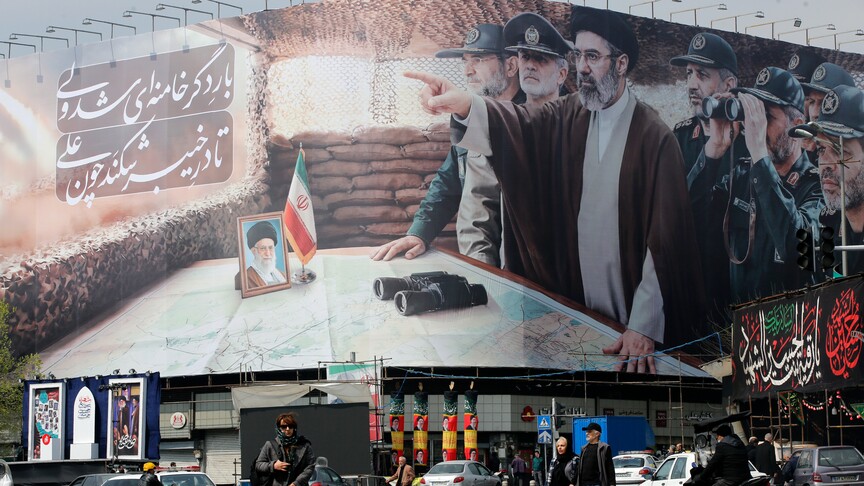
Protests erupted across Iran at the beginning of January 2026, marking a significant escalation in civil unrest against the ruling regime, particularly directed at Supreme Leader Ali Khamenei. The demonstrations, sparked by a severe economic crisis, have witnessed violent clashes between security forces and protesters, leading to fatalities on both sides.
The unrest began in earnest on January 1, 2026, with large crowds gathering in multiple cities including the capital, Tehran. Demonstrators have openly chanted slogans demanding the removal of Khamenei and expressing their discontent with the Islamic regime. Reports indicate that the protests have been fueled by a deteriorating economy, characterized by soaring inflation and a collapsing currency, which have severely impacted the daily lives of Iranians.
In the wake of the protests, Iranian President Masoud Pezeshkian has taken a conciliatory stance, offering dialogue with protest leaders. However, this approach contrasts sharply with the hardline responses from some factions within the government, which have threatened a decisive crackdown on the demonstrations. As of January 2, at least seven fatalities have been reported among both security personnel and civilians, marking a deadly turn in the protests, the most significant since the "Woman, Life, Freedom" movement that erupted in 2022 following the death of Mahsa Amini.
Government Response and International Dynamics
The Iranian Foreign Ministry has expressed support for the protests, a move that signals a complex internal political landscape as the government grapples with widespread discontent. While the official line emphasizes a commitment to dialogue, the reality on the streets is one of increasing violence and repression. Security forces have clashed with demonstrators, resulting in a tragic toll that underscores the volatility of the situation.
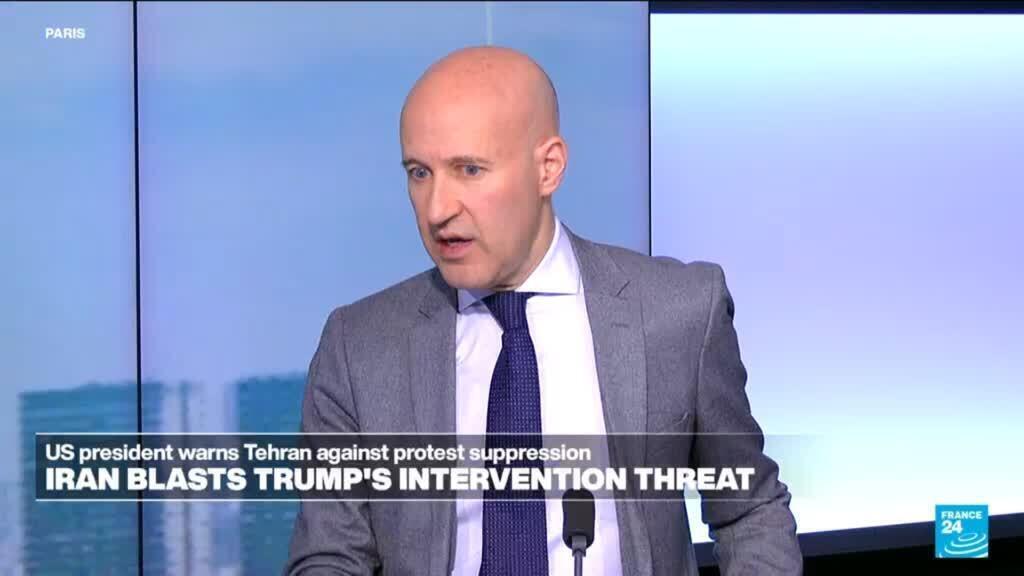
Internationally, the protests have drawn attention from various actors, including the United States and Israel, who find themselves navigating a delicate balance between expressing solidarity with the protesters and cautioning against potential destabilization. The dynamics of the situation have been further complicated by the geopolitical context, as both nations weigh their responses in light of Iran's ongoing economic struggles and the broader implications for regional stability.
Economic Factors Behind the Unrest
The roots of the current unrest can be traced back to Iran's crippling economic crisis, exacerbated by international sanctions, mismanagement, and a volatile currency. The Iranian rial has lost significant value, with inflation rates soaring to 42.5% as of December 2025. Basic necessities, including food and medical supplies, have seen dramatic price increases, compelling citizens to take to the streets in protest against their deteriorating living conditions.
As the protests spread, they have also garnered support from various demographics, including students and shopkeepers, who have joined the growing calls for change. The participation of these groups signals a broader coalition of dissent against the regime, challenging the long-standing authority of the ruling clerics.
Conclusion
The situation in Iran remains fluid, with the potential for further escalation as the protests continue. The government's mixed responses—ranging from calls for dialogue to threats of decisive action—reflect the deepening crisis of legitimacy facing the regime. As the Iranian people rally against economic hardship and political repression, the international community watches closely, aware that the outcomes of these protests could have significant implications for Iran's future and the stability of the region.