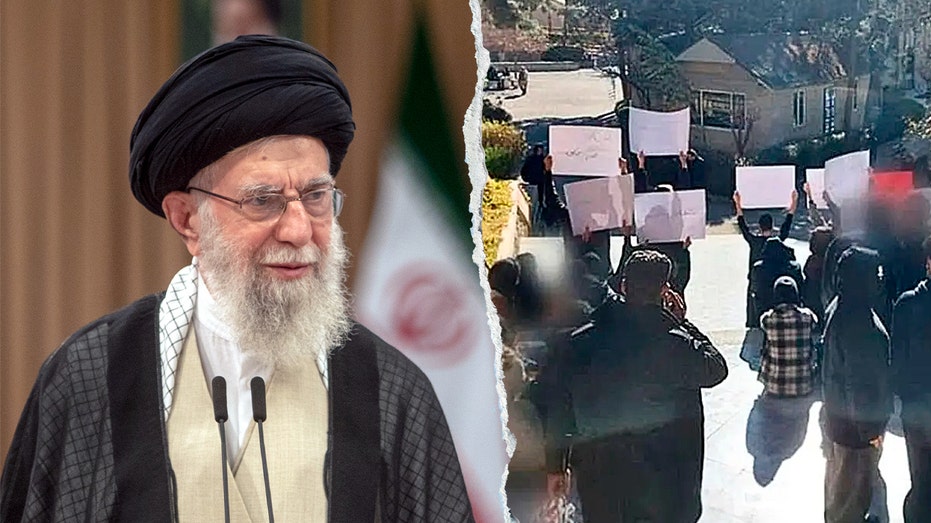

Escalating Protests Grip Iran: Clashes with Security Forces, Foreign Ministry Support, and Reports of Khamenei's Contingency Plans
TEHRAN, Iran – Widespread protests against Iran's Supreme Leader Ayatollah Ali Khamenei have intensified across multiple cities, including the capital Tehran, with security forces clashing directly with demonstrators as of early January 2026. In an unusual development, Iran's Foreign Ministry has publicly expressed support for the ongoing unrest, signaling potential fractures within the regime amid high-severity civil disturbances that began on January 1.
The demonstrations erupted on Thursday, January 1, 2026, at approximately 1:28 a.m. GMT, with crowds chanting slogans directly targeting Khamenei. Reports indicate escalating violence as protesters confronted security personnel in urban centers, marking a bold challenge to the Islamic Republic's leadership. By Friday, January 2, at around 7:26 a.m. GMT, the Foreign Ministry issued statements backing the protests, a move that has raised questions about internal divisions at the highest levels of government. Both events have been classified as high-severity civil unrest by monitoring platforms.
Activists and observers attribute part of the protesters' boldness to recent shifts in U.S. policy under the incoming Trump administration. According to Fox News reporting, Iranian dissidents inside the country feel emboldened by aggressive Persian-language messaging from Washington, which contrasts with what they describe as the more passive diplomatic approaches during the Obama and Biden eras. "The Trump admin’s messaging is giving us hope," one unnamed activist told Fox News, highlighting how direct broadcasts and social media campaigns in Farsi are amplifying voices critical of Tehran. This U.S. pivot comes as President-elect Donald Trump prepares to take office, reviving a hardline stance on Iran that includes sanctions and public condemnations of the regime.
Adding to the tension, an intelligence assessment cited by Newsmax reveals that Khamenei has devised a contingency plan to evacuate Tehran should the protests spiral out of control. The report details preparations for the Supreme Leader to flee to Moscow with a small entourage of aides and family members, in the event that nationwide demonstrations overwhelm security forces or lead to defections among loyalists. Published on January 6, the assessment underscores the gravity of the situation, portraying a leadership under siege. "If protests grow," the Newsmax article states, Khamenei could seek refuge in Russia, a longtime ally that has deepened ties with Iran through military and economic partnerships, including arms deals and support in international forums like the UN Security Council.
These developments occur against Iran's long history of civil unrest challenging the theocratic regime. Since the 1979 Islamic Revolution, periodic protests have rocked the country, including the 2009 Green Movement over disputed elections, the 2019 fuel price hikes that left hundreds dead, and the 2022-2023 nationwide uprising following the death of Mahsa Amini in custody, which drew millions into the streets with chants of "Woman, Life, Freedom." Those events exposed deep socioeconomic grievances, youth disillusionment, and demands for greater freedoms under Khamenei's 35-year rule as Supreme Leader, a position that grants him ultimate authority over military, judiciary, and foreign policy.
Economically, Iran faces mounting pressures from U.S. sanctions, inflation exceeding 40%, and youth unemployment above 25%, fueling discontent. The regime's security apparatus, including the Islamic Revolutionary Guard Corps (IRGC), has historically suppressed dissent with force, but reports of potential defections suggest eroding loyalty. The Foreign Ministry's endorsement of protests – an arm of the government typically aligned with regime rhetoric – could indicate strategic posturing, internal power struggles, or an attempt to co-opt the movement, though its implications remain unclear.
International reactions have been muted so far, with the U.S. messaging noted by activists as a key external factor. Russia and China, Iran's principal allies, have not publicly commented on the unrest or the reported flight plans. European nations, which have pursued dialogue with Tehran on nuclear issues, are monitoring closely amid stalled JCPOA revival talks.
As protests enter their second week, the situation remains fluid. Security forces continue clashes in Tehran and other cities, while the scope of Foreign Ministry support raises speculation about regime stability. Intelligence assessments point to worst-case scenarios for Khamenei, but no defections or evacuations have been confirmed. The coming days will be critical in determining whether the unrest subsides under crackdowns or expands into a broader challenge to Iran's political order.
(Word count: 612)






