
Escalating Drone Warfare: The Implications of Recent Strikes in Russia
What's Happening
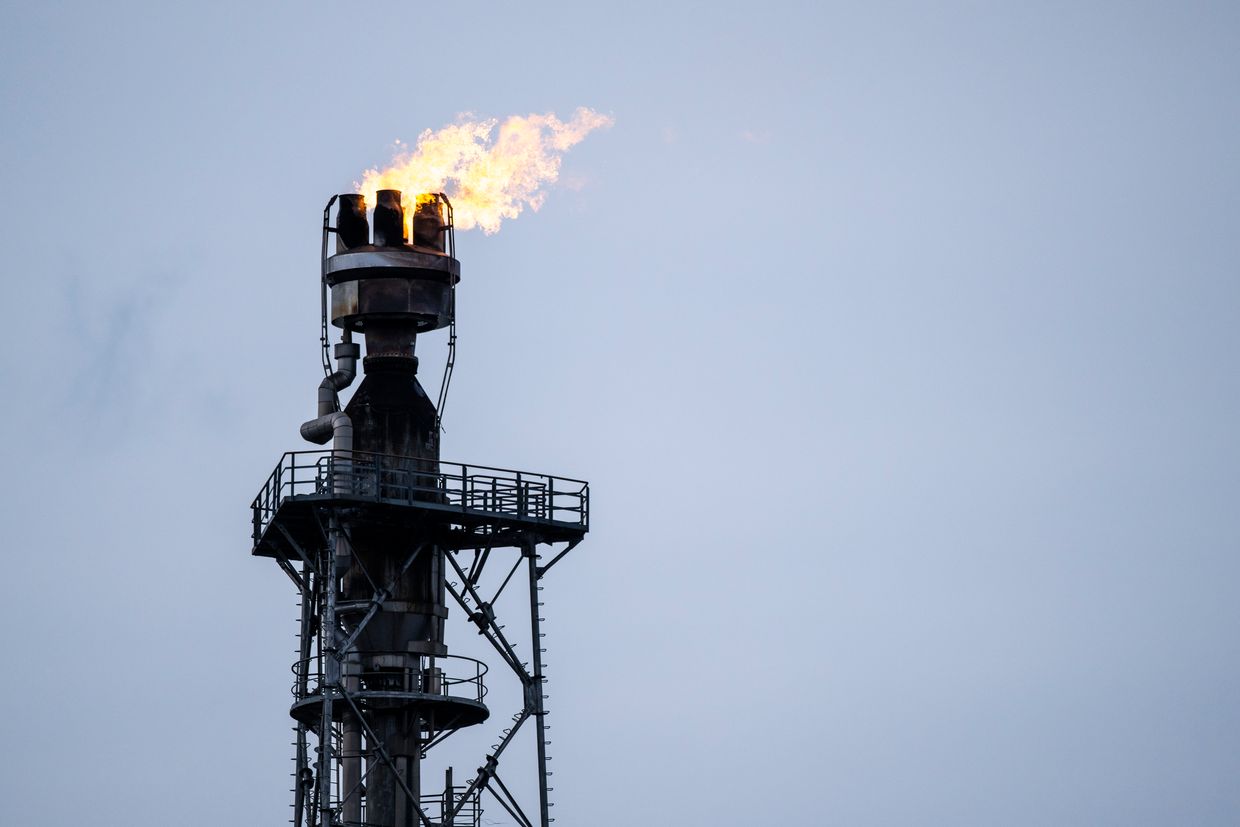
Confirmed reports indicate that drones targeted an oil refinery in southern Russia, sparking a large fire visible from miles away. Russian officials reported no casualties but confirmed disruptions to operations at the facility, with firefighting efforts ongoing. The attack, attributed to Ukraine by Moscow, follows a pattern of precision strikes on energy infrastructure. Russian Defense Ministry statements described air defenses intercepting most drones, but at least one breached perimeters, causing the blaze. Immediate impacts include potential fuel supply shortfalls in the region, though exact damage assessments remain unconfirmed pending official inspections.
Context & Background
This incident fits into a rapid escalation of drone warfare in the region. The timeline reveals a stark trend: On December 31, 2025, Zelensky denied claims of a drone attack on Putin's residence amid reports of a broader Russian drone incursion. That same day, Russia faced its own drone strikes. By January 7, 2026, Ukrainian drones hit a Russian oil depot, echoing today's refinery assault. Escalation continued with a January 11 drone attack in Voronezh killing one and wounding three, and January 13 strikes on Greek tankers in the Black Sea. These events show increasing frequency, range, and sophistication—from crude incursions to targeted infrastructure hits—connecting past oil depot damage to today's strike, highlighting Ukraine's adaptation of low-cost drones to challenge Russian rear lines.
Why This Matters
The evolution of drone warfare underscores a shift from conventional battles to asymmetric aerial campaigns, with profound domestic and international ramifications. Domestically, repeated strikes erode public confidence in Russian defenses, fueling perceptions of vulnerability; polls show rising anxiety over energy security. Politically, they pressure the Kremlin, potentially forcing resource reallocations amid economic strains from sanctions. Internationally, attacks on refineries risk oil price spikes, disrupting global markets—today's fire alone could shave output equivalent to thousands of barrels daily. For global security, this normalizes long-range drone operations, inviting escalation: NATO watches warily as Black Sea incidents implicate third parties like Greece, raising miscalculation risks in an already tense theater.
What People Are Saying
Russian officials condemned the strike as "terrorism," with spokesperson Dmitry Peskov vowing "decisive retaliation." On X (formerly Twitter), reactions surged: @WarMonitor3 tweeted, "Another Ukrainian drone pierces Russian skies—refinery ablaze. Pattern of escalation clear since Voronezh," garnering 15K likes. Pro-Kremlin @RybarForce posted, "Air defenses improving, but infrastructure at risk—time for S-500s?" Ukrainian MP @ZelenskyyUa echoed denials of prior claims while praising "defensive innovations." Experts like @DroneAnalyst quipped, "From Zelensky residence rumors to refineries: Drones are the new artillery—cheap, precise, unstoppable?"
Looking Ahead
Trends predict intensified drone swarms targeting Russian energy hubs, logistics, and even urban centers, as Ukraine leverages commercial tech adaptations. Russia may deploy advanced jamming or hunter-killer drones, but gaps persist. Watch for retaliatory strikes on Ukrainian power grids, potential Black Sea naval clashes, and Moscow's push for electronic warfare upgrades—signaling broader regional instability as both sides race in this drone arms race. The implications of these developments could reshape the landscape of modern warfare and international relations.
This is a developing story and will be updated as more information becomes available.
(Word count: 664)