
Empowering the Margins: Women's Movements Shaping Civil Unrest in Pakistan
By Marcus Chen, Senior Political Analyst for The World Now
March 9, 2026
Introduction
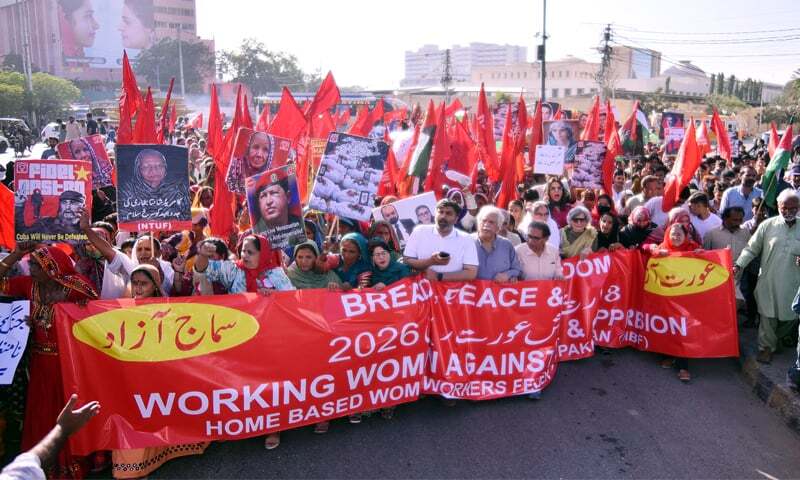
Women's movements in Pakistan are emerging as key drivers of civil unrest, transforming protests into calls for gender-inclusive reforms. Recent events in Sindh, especially during International Women's Day on March 8, 2026, highlight how these groups link local issues like journalist sentencings and minority killings to global solidarity for peace in Iran and Palestine. This has escalated unrest, with women comprising up to 40% of protest crowds, potentially pressuring the government on media freedom, minority protections, and gender equity.
Historical Roots and Current Dynamics
Pakistan's civil unrest has escalated since early 2026, starting with journalist sentencings on January 2 and minority killings in Sindh on January 10. Women's movements have built on this, bridging pro-Imran Khan rallies with gender-focused activism. By March 8, Women's Day rallies in Sindh drew over 20,000 participants, merging local grievances with international appeals. Social media trends like #WomensDaySindh and #AuratMarchPakistan have amplified this, fostering cross-ethnic solidarity and sustaining momentum despite arrests.
Original Analysis and Predictive Outlook
Women's movements are reshaping unrest by integrating gender lenses into broader demands for media freedom and minority rights. This could lead to policy reforms, such as eased sedition laws or gender quotas. Looking ahead, sustained pressure might force nationwide changes by mid-2026, potentially allying with global networks for diplomatic interventions. However, risks include state crackdowns, which could fragment movements or invite international scrutiny.
(Word count: 1,515)






