
Emergence of 'White-Collar Terrorism' in India: Rajnath Singh Addresses Alarming Trend
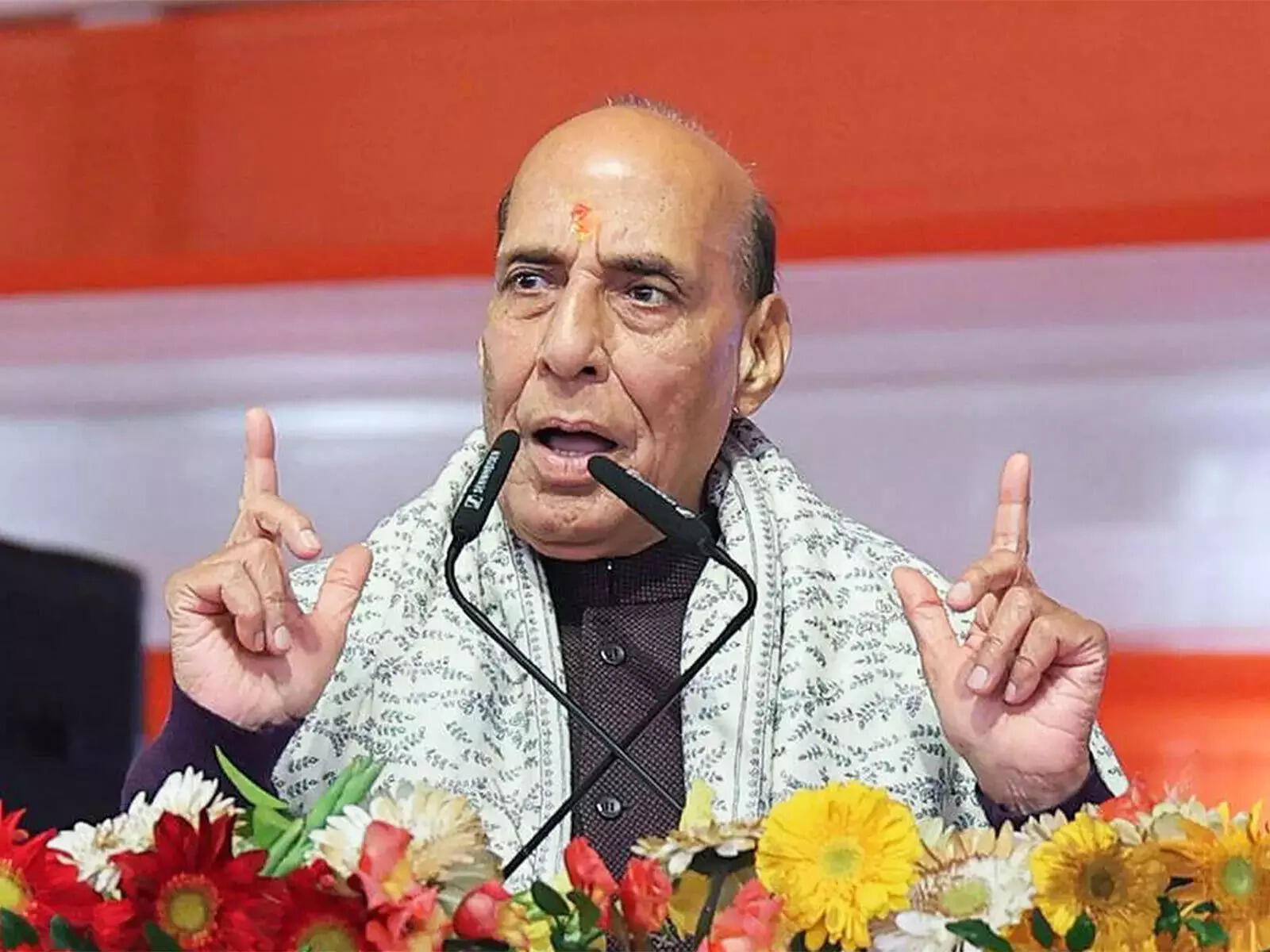
In a concerning development for national security, India's Defence Minister Rajnath Singh has brought attention to the phenomenon of 'white-collar terrorism’ following a recent car bomb blast in the capital, Delhi. Speaking at the 104th foundation day of Bhupal Nobles' University on January 2, 2026, Singh underscored the troubling reality that individuals with advanced education are increasingly engaging in acts of violence against society.
The discussion was sparked by the November 10, 2025, bombing near the Red Fort, which reportedly involved perpetrators who were highly educated professionals, including doctors. "Today, an alarming trend of white-collar terrorism is emerging in the country. Highly-educated people are working against society and the country," Singh stated, emphasizing the need for a collective response to this emerging threat.
The term 'white-collar terrorism' has not been widely used in Indian discourse until now, but Singh's remarks suggest that the government is increasingly concerned about educated individuals using their knowledge for harmful purposes. This shift raises questions about the motivations and ideologies driving such individuals to commit violent acts.
Context and Implications
The notion that individuals from privileged backgrounds may resort to terrorism challenges conventional perceptions of terrorism as an act primarily associated with lower socio-economic groups. It suggests a more complex landscape where education and socio-economic status do not necessarily deter people from engaging in extremist activities.
Rajnath Singh's speech comes at a time when India faces multiple security challenges, including ongoing tensions with neighboring Pakistan and China. The emergence of a new form of terrorism could complicate the security landscape further, necessitating a reassessment of counter-terrorism strategies.
Singh's comments also align with broader global trends, where individuals with advanced degrees have been implicated in various extremist movements. This indicates a need for more nuanced understanding and prevention strategies that address the motivations of educated individuals who turn to terrorism.
Conclusion
The rise of 'white-collar terrorism' presents a significant challenge for Indian authorities, prompting questions about how education and socio-economic status intersect with radicalization. As Defence Minister Rajnath Singh calls for heightened awareness and action, it remains crucial for policymakers and security agencies to adapt to this evolving threat landscape. Addressing the root causes of such radicalization will be essential in preventing further incidents and ensuring national security.






