
Egypt and Saudi Arabia Affirm Unified Stance on Yemen, Sudan Amid Escalating Regional Conflicts
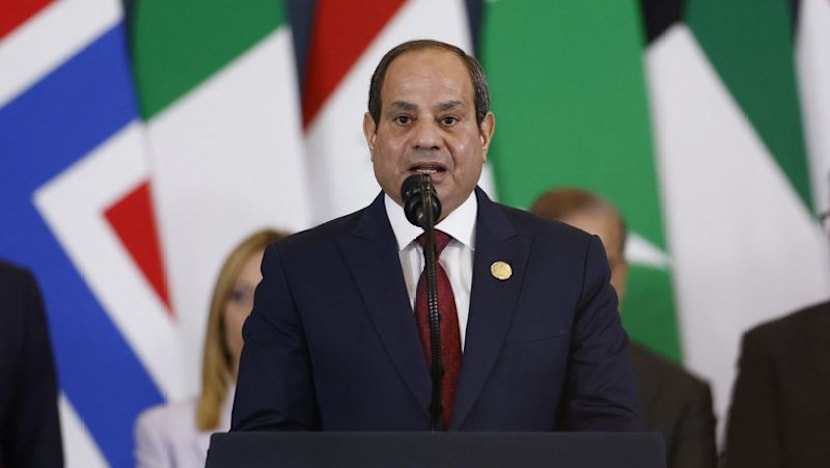
Cairo, Egypt — Egyptian President Abdel Fattah el-Sisi met with Saudi Foreign Minister Prince Faisal bin Farhan on January 5, 2026, to discuss the worsening situation in Yemen, including plans for a conference involving Yemeni factions outside Houthi control. The two nations declared "identical" positions not only on Yemen but also on crises in Sudan and Somaliland, signaling deepened coordination as rivalries with the United Arab Emirates (UAE) intensify in the region.
The high-level talks, which began around 2:18 PM GMT, underscore a strategic alignment between Cairo and Riyadh amid persistent instability across the Arabian Peninsula and the Horn of Africa. Egypt's presidency highlighted the discussions as a platform to address the "ongoing situation in Yemen," with a particular focus on convening non-Houthi Yemeni parties. This comes as Houthi rebels, backed by Iran, continue to challenge Saudi-led efforts to stabilize the country, including recent escalations involving Red Sea shipping disruptions and cross-border attacks.
In a statement following the meeting, Egyptian officials emphasized the shared vision between the two countries. "Egypt and Saudi Arabia share identical positions on Yemen, Sudan, and Somaliland," the readout noted, according to reports from Channel News Asia. This unity is portrayed as a bulwark against divergent regional agendas, particularly as tensions with the UAE grow. The UAE has pursued independent policies in Yemen, maintaining ties with southern separatist groups, and has expanded influence in Sudan and Somaliland, areas where Egypt and Saudi Arabia seek greater leverage.
Details of the Discussions
The Cairo meeting reflects ongoing diplomatic efforts to counter Houthi advances. Yemen's civil war, which erupted in 2014, pits the Iran-supported Houthis against a Saudi-backed government exiled in Aden. A proposed conference for areas outside Houthi control—likely referring to government-held territories in southern and eastern Yemen—aims to bolster anti-Houthi momentum. Saudi Arabia, which led a military coalition intervention in 2015, has been winding down direct operations but remains deeply invested in preventing a Houthi victory.
Egypt's involvement adds significant weight. As a key Arab League member and military powerhouse, Egypt has provided logistical and air support to the Saudi coalition in the past and views Yemen's stability as critical to its own security, particularly regarding Red Sea navigation and countering Iranian influence. President Sisi's direct engagement with Prince Faisal signals Cairo's willingness to play a more assertive role, potentially mediating or hosting future talks.
The talks also extended to Sudan, where a civil war between the Sudanese Armed Forces (SAF) and the Rapid Support Forces (RSF) has raged since April 2023, displacing millions and creating a humanitarian catastrophe. Egypt backs the SAF, while the UAE has been accused by Cairo and Khartoum of arming the RSF. Somaliland, a self-declared independent region of Somalia, represents another flashpoint: Egypt recently signed a defense pact with Mogadishu, opposing UAE-backed Somaliland's aspirations for recognition.
This trilateral alignment—Yemen, Sudan, Somaliland—highlights a broader pattern of Saudi-Egyptian cooperation to check UAE expansionism. Riyadh and Abu Dhabi, once close allies in the anti-Muslim Brotherhood axis, have diverged since the 2021 Abraham Accords and Yemen stalemates, with the UAE pivoting toward economic diplomacy and proxy networks.
Background on Regional Dynamics
The Egypt-Saudi partnership traces back decades, rooted in mutual concerns over political Islam and Persian Gulf security. Egypt's 1979 peace with Israel shifted its focus southward, while Saudi financial aid—billions in deposits and investments—has underpinned Cairo's economy. In Yemen, both nations intervened against the Houthis post-2015, but Saudi fatigue and UAE withdrawals have left Riyadh seeking Egyptian reinforcement.
Sudan's turmoil exacerbates Nile River tensions, with Egypt wary of RSF-Ethiopian ties that could impact the Grand Ethiopian Renaissance Dam dispute. Somaliland's port deals with the UAE threaten Egypt's Red Sea interests, prompting Cairo's military base agreement with Somalia in 2024.
Broader context includes Iran's role: Houthi missile strikes on Saudi oil facilities in 2019 and recent Israel-linked escalations have renewed urgency. U.S. and UN mediation efforts, including the 2022 Saudi-Iranian détente brokered by China, have yielded fragile truces but no resolution.
Outlook for Coordination
The Cairo declaration positions Egypt and Saudi Arabia as a counterweight to fragmented alliances, potentially paving the way for joint initiatives like the Yemen conference. However, challenges persist: Houthi resilience, UAE maneuvering, and domestic pressures in Egypt (economic woes) and Saudi Arabia (Vision 2030 reforms) could test this unity.
Analysts see the talks as a medium-severity escalation signal, not a crisis trigger, but one that reinforces the Sunni Arab bloc's cohesion. Future developments may hinge on UN-led peace processes and U.S. policy under evolving administrations. As regional powers realign, this "identical" stance offers a rare note of harmony in a volatile landscape.
(Word count: 712)






