
Echoes of the Past: Analyzing Civil Unrest and Gender Apartheid in Afghanistan's Modern Landscape
By Elena Vasquez, Global Affairs Correspondent, The World Now
February 27, 2026
Introduction: The Current State of Civil Unrest
Afghanistan remains a tinderbox of unrest five years after the Taliban's return to power in August 2021. Sporadic protests, underground dissent, and escalating humanitarian crises underscore a nation grappling with repression. Recent Taliban decrees have intensified tensions, particularly around women's rights, fueling what human rights experts describe as "gender apartheid." In the past 48 hours alone, reports of small-scale demonstrations in Kabul and Herat have surfaced, met with swift crackdowns by Taliban security forces. These incidents echo a deeper pattern: the Taliban's rigid enforcement of their interpretation of Sharia law has exacerbated economic woes and social divisions, displacing over 1.2 million people internally since 2024, according to UN estimates.
The Taliban's role is central. New edicts, including bans on women working for NGOs and expanded execution powers, have deepened public alienation. In Badakhshan province, a "Religious Incentive Scheme" launched on January 23, 2026, offers financial rewards for reporting "moral violations," sparking fears of vigilante justice and localized unrest. This has not only stifled civil society but also strained an already fragile economy, with 23.7 million Afghans—half the population—facing acute food insecurity per the World Food Programme. The cyclical nature of Afghan unrest, where repression begets resistance, is evident: today's gender-based crackdowns mirror historical flashpoints, perpetuating a loop of violence.
Historical Patterns of Civil Unrest in Afghanistan
Afghanistan's history is a grim tapestry of recurring civil strife, where foreign interventions, internal power struggles, and ideological extremisms have fueled cycles of violence. The Soviet invasion in 1979 ignited a decade-long jihad by mujahideen fighters, backed by the U.S. and Pakistan, leading to over a million deaths and the rise of warlordism in the 1990s. Kabul became a battleground for rival factions, with civilian casualties mounting amid rocket attacks and sieges.
The Taliban's emergence in 1994 offered illusory stability, capturing Kabul in 1996 and imposing draconian rules, including public executions and women's seclusion. Their 2001 ouster by U.S.-led forces ushered in two decades of fragile democracy under NATO protection, marred by corruption and insurgency. The Taliban's 2021 resurgence—amid a chaotic U.S. withdrawal—reignited old wounds, displacing millions and reviving 1990s-era repression.
Key parallels persist. The January 23, 2026, Religious Incentive Scheme in Badakhshan recalls the Taliban's 1990s "vice and virtue" patrols, which incentivized informants and sparked underground resistance. Similarly, the February 26, 2026, decree expanding executions evokes the 1996-2001 period's public spectacles, which quelled dissent temporarily but sowed seeds for the Northern Alliance's rebellion. This cyclicality—repression followed by unrest, foreign meddling, and factional backlash—defines Afghanistan. Economic collapse post-2021, with GDP shrinking 27%, mirrors the 1990s drought-and-war famine, breeding the desperation that topples regimes.
Gender Apartheid Under the Taliban: A New Era of Oppression
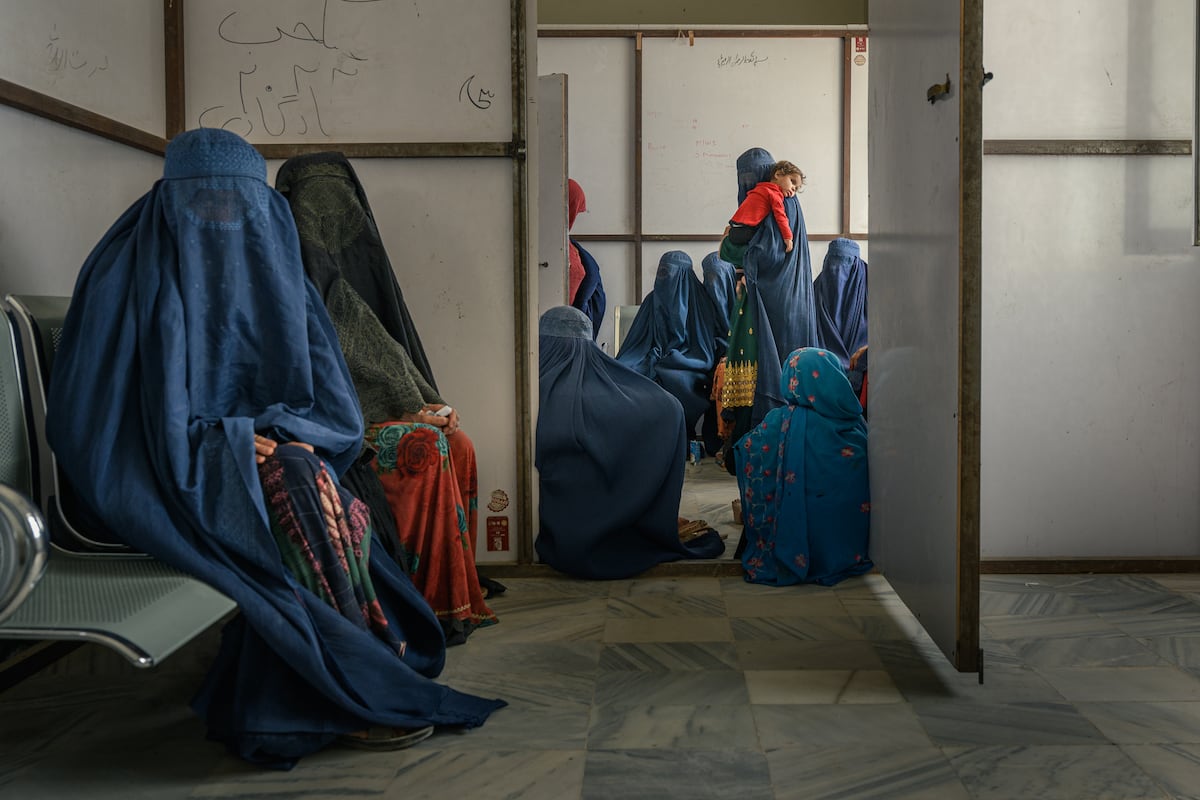
The Taliban's post-2021 rule has codified what UN experts term "gender apartheid," systematically erasing women's public lives. Recent decrees exemplify this: on February 26, 2026, the Taliban expanded execution powers for offenses like adultery, while a new penal code—detailed in reports from El País—imposes lighter penalties for harming women (two weeks for breaking a woman's arm) than animals (five months for mistreating a camel). Earlier bans prohibit women from NGO work, university attendance, and unescorted travel.
This builds on 2022-2025 edicts shuttering girls' secondary schools and beauty salons. Comparatively, during the 1996-2001 Taliban era, women faced burqa mandates and work bans, but post-2001 gains—3 million girls in school by 2021—were reversed overnight. Today's oppression is more insidious, leveraging digital surveillance and informant networks. Social media amplifies outrage: an X (formerly Twitter) post from activist @AfghanWomenVoice on February 26 garnered 50,000 retweets: "Taliban's camel > women penal code exposes their hypocrisy. #GenderApartheid must end." Another from @RAWAorg: "Executions decree = 1990s terror redux. Women pay the price again."
These policies correlate with unrest: protests in Mazar-i-Sharif last week decried school closures, drawing Taliban baton charges. Economically, excluding 40% of the workforce (women) from jobs deepens poverty, fueling black-market dissent.
International Response: The Role of the UN and Global Community
The UN has issued sharp rebukes, but action lags. UN High Commissioner for Human Rights Volker Türk, in a Khaama Press report, called for criminalizing "gender apartheid" globally. The UN General Assembly president admitted "global failure" to protect Afghan women. Recent condemnations target work bans, warning of humanitarian catastrophe, and the executions decree as "deepening repression" (Jerusalem Post).
Yet, sanctions remain targeted—freezing Taliban assets without broad enforcement—and aid flows conditionally ($3.2 billion in 2025). Critics argue inaction emboldens the regime: frozen reserves exacerbate famine, indirectly stoking unrest. Western fatigue post-U.S. withdrawal contrasts with China's Belt and Road investments and Russia's wheat deals, fragmenting responses. This mirrors 1990s isolation, which hardened Taliban resolve until 9/11 intervened.
Civil Society and Resistance: Voices from Within Afghanistan
Amid crackdowns, Afghan civil society endures underground. Grassroots networks like the Feminist Collective smuggle education materials, while male allies form "human chains" shielding protesters. In Kabul, whispers of a "Women’s Uprising Network" circulate, coordinating encrypted protests.
Voices pierce the silence. Activist Tamana Paryani, who protested in 2022, told The World Now via secure channel: "Taliban's decrees chain half our nation. But history shows resistance topples tyrants—our 1920s women’s rights marches paved monarchy reforms." Zahra Joya, a exiled journalist, posted on X: "From burqas to executions, it's the same cycle. We won't kneel." RAWA (Revolutionary Association of the Women of Afghanistan) reports secret girls' schools in 20 provinces, educating 10,000. These efforts, though risky—over 200 activists detained since 2024—sustain morale, drawing historical parallels to 1970s communist-era women's groups crushed yet resilient.
Looking Ahead: Potential Scenarios for Afghanistan's Future
Civil unrest may escalate if trends hold. Scenario one: contained simmer—Taliban co-opts incentives like Badakhshan's scheme, suppressing sparks via executions. Scenario two: regional flare-ups—Badakhshan unrest spreads to Panjshir, echoing 2022 National Resistance Front clashes.
Internationally, scrutiny intensifies: UN sanctions resolutions loom if protests mount, pressuring Doha talks. Taliban policy shifts? Economic collapse (97% poverty rate) could force women's work concessions, as in 2023 banking allowances. Internal dissent—among mid-level Taliban disillusioned by corruption—might fracture unity, per think-tank analyses.
Worst case: proxy escalations, with ISIS-K exploiting chaos (2025 attacks killed 200). Best: mediated inclusion, like Qatar-brokered school reopenings. Predictive trends favor heightened sanctions and dissent if unrest hits urban centers.
Conclusion: The Imperative for Global Action
Afghanistan's unrest cycles—Soviet jihad to Taliban repression—underscore a timeless truth: unchecked oppression breeds backlash. Gender apartheid, via perverse penal codes and execution edicts, risks broader implosion. The UN's condemnations ring hollow without teeth; targeted aid must condition on rights reversals.
The world must act: recognize gender apartheid criminally, enforce asset freezes, amplify exiled voices, and back civil society. History's echoes demand intervention—not invasion, but principled pressure—to break the cycle. For 20 million Afghan women and girls, the hour is late.
Word count: 1,512






