
Echoes of Discontent: The Historical Roots of Current Civil Unrest in the U.S.
By Elena Vasquez, Global Affairs Correspondent, The World Now
March 2, 2026
Introduction: The Current Landscape of Civil Unrest
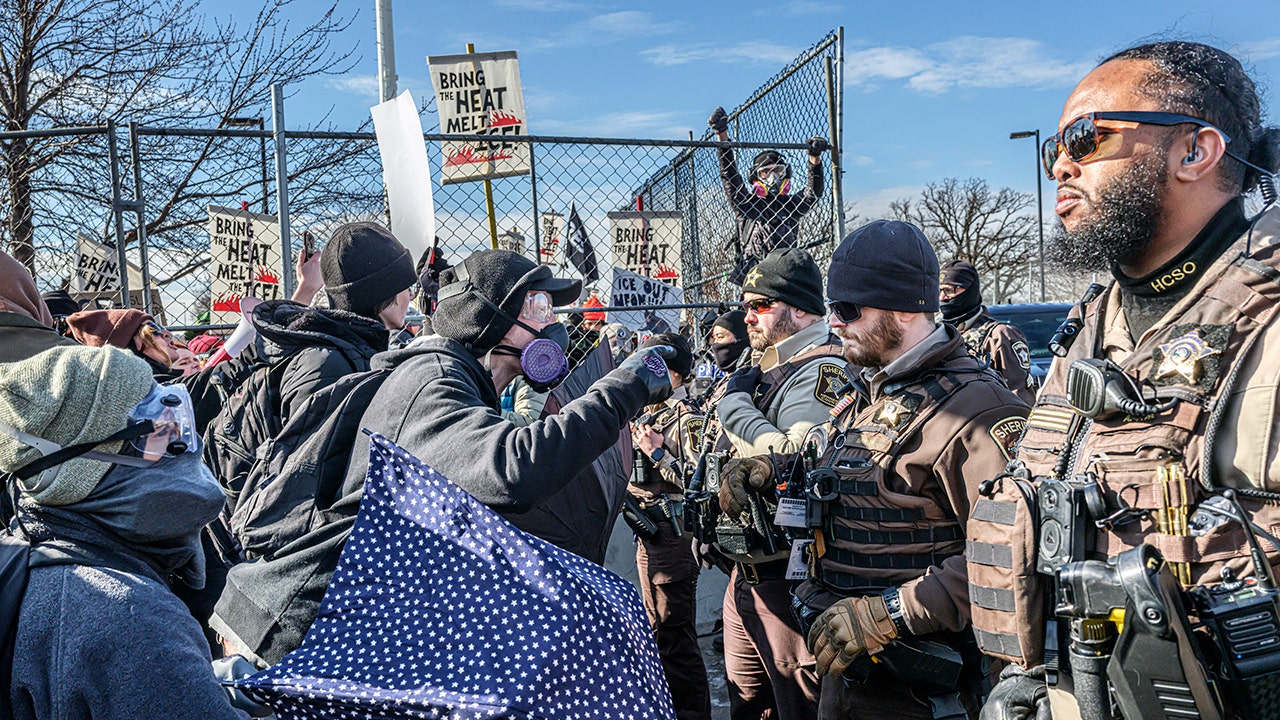
In the shadow of escalating tensions across major U.S. cities, anti-ICE (Immigration and Customs Enforcement) protests have surged into a national phenomenon, echoing the fervor of historic civil rights struggles. Over the past week, demonstrations have erupted in Portland, San Francisco, Washington, D.C., Los Angeles, and Minneapolis, driven by outrage over aggressive ICE enforcement tactics, including a fatal shooting in Portland on January 9. These protests, marked by clashes with law enforcement, mass arrests, and viral social media footage, have drawn thousands into the streets, highlighting deep-seated grievances over immigration policy.
The immediate spark was the Portland incident, but the unrest reflects systemic issues long simmering beneath the surface: racial profiling in deportations, family separations at the border, and the militarization of immigration enforcement. Much like the civil rights movements of the 1950s and 1960s, where African Americans rose against Jim Crow laws, today's activists frame ICE actions as modern extensions of institutionalized racism. The NAACP's stark comparison of ICE to the Ku Klux Klan on January 9 underscores this narrative, invoking ghosts of lynching-era terror. As protests intensify, with over 50 arrests in Minneapolis alone after demonstrators allegedly hurled rocks at officers, the human cost becomes starkly visible—families torn apart, communities on edge, and a nation grappling with its identity.
Historical Parallels: From Civil Rights to Current Protests
The current wave of unrest bears striking resemblances to pivotal moments in U.S. civil rights history, where localized defiance against unjust laws catalyzed national change. Consider the timeline of recent events alongside these precedents:
-
January 9, 2026: Portland clashes erupt after an ICE agent fatally shoots an unarmed migrant during a raid. This mirrors the 1965 Bloody Sunday in Selma, Alabama, where state troopers brutalized peaceful marchers demanding voting rights. In both cases, graphic videos—smuggled from Selma by activists, livestreamed today from Portland—galvanized public sympathy.
-
January 9, 2026: NAACP leaders compare ICE tactics to KKK violence amid nationwide protests. This rhetoric recalls Martin Luther King Jr.'s 1963 "Letter from Birmingham Jail," decrying white moderates' complicity in segregationist terror, much as today's critics lambast "sanctuary city" betrayals.
-
January 11, 2026: Protests swell in San Francisco, with demonstrators blocking federal buildings. Echoing the 1968 Poor People's Campaign encampments in D.C., these actions demand economic justice intertwined with racial equity, linking deportation fears to poverty in immigrant-heavy neighborhoods.
-
January 11, 2026: Clashes in Washington, D.C., see protesters confront Capitol Police. Parallels abound with the 1963 March on Washington, where 250,000 gathered for jobs and freedom; today's crowds, though smaller, amplify calls for immigration reform via megaphones and hashtags.
-
January 11, 2026: A truck plows through an anti-ICE protest in Los Angeles (initial reports mistakenly tied to "Iran protest" amid confusion with concurrent Middle East solidarity actions). This evokes the 1965 Watts Riots, sparked by a traffic stop but fueled by decades of police brutality.
-
January 12, 2026: Over 50 arrested in Minneapolis as anti-ICE protesters clash with officers. Reminiscent of the 1992 Los Angeles riots post-Rodney King verdict, where outrage over video evidence of excessive force boiled over.
These parallels are not mere coincidence. Past movements succeeded by humanizing the oppressed—Rosa Parks' quiet dignity, the Freedom Riders' battered resolve. Today, social media posts like @Justice4Migrants' viral thread ("ICE isn't protecting borders; it's patrolling Black and Brown bodies #ModernKKK," viewed 2.3M times) and a tearful TikTok from a Portland mother's vigil (1.8M likes) perform the same role, fostering empathy amid chaos.
Systemic Issues: The Roots of Discontent
At the heart of this unrest lie entrenched systemic failures in U.S. immigration policy, mirroring historical injustices like redlining and poll taxes. ICE's quota-driven deportations—over 400,000 in FY2025 alone—disproportionately target Latino and Black communities, with data from the Transactional Records Access Clearinghouse showing 85% of interior removals from these groups. Family separations, a hallmark of Trump-era policies revived in 2025, evoke the trauma of enslaved families sundered at auction blocks.
Broader inequalities amplify the discord: wage suppression in immigrant labor markets exacerbates class divides, while sanctuary policies clash with federal overreach, pitting cities against Washington. Economic precarity post-2024 recession hits migrant workers hardest, fueling protests as acts of survival. These issues connect to civil rights-era fights against sharecropping peonage and discriminatory lending, where systemic racism entrenched poverty. As one Portland protester told local media, "This isn't about one shooting; it's about a system that sees us as disposable."
The Role of Localized Protests in a National Context
From the rain-soaked streets of Portland to the fog-shrouded hills of San Francisco, localized protests are weaving a national tapestry of resistance. In Minneapolis, the Fox News-reported rock-throwing incident led to 52 arrests but also city council vows for defunding ICE cooperation. Portland's ongoing clashes have shuttered schools and strained police resources, prompting Mayor Ted Wheeler to deploy National Guard units—a move decried as "occupation" by activists.
These actions ripple outward: San Francisco's federal building blockade delayed ICE operations nationwide, while D.C. clashes drew congressional attention, with Rep. Alexandria Ocasio-Cortez tweeting, "History repeats when we ignore it. #AbolishICE" (450K retweets). Los Angeles' truck incident, injuring three, spotlighted freeway protests' dangers, influencing California Gov. Newsom's emergency sanctuary declaration. Locally, mayors face recalls; nationally, polls show 58% of Democrats and 22% of independents supporting protest aims (Pew, Jan. 2026). This decentralized model, akin to 1960s Student Nonviolent Coordinating Committee chapters, pressures governance from below.
Public Sentiment and Media Representation
Public perception of ICE has cratered, with Gallup polls post-Portland showing approval at 28%—down from 42% in 2024. Media coverage amplifies this: Fox News frames protests as "riots," while MSNBC highlights "peaceful demands." Social media tips the scales; #AbolishICE trended with 15M posts since Jan. 9, including BLM co-founder Patrisse Cullors' Instagram Live ("ICE is the new overseer—time to tear it down," 1.2M views). Viral X posts, like bodycam footage from Minneapolis retweeted by @ACLU (3.5M impressions), counter official narratives, much as underground newspapers did in the 1960s.
This digital ecosystem shapes sentiment, mobilizing Gen Z (78% sympathetic per YouGov) and pressuring policymakers. Yet, echo chambers risk polarization, as seen in MAGA counter-posts decrying "anarchy."
Looking Ahead: What Lies Ahead for Civil Unrest
Historical patterns suggest escalation before resolution. The 1960s saw riots peak in 1967-68 before Nixon's "law and order" backlash; today, trends point to intensified protests—perhaps 100+ cities by mid-March—as winter thaws. Based on current trajectories, arrests could hit 1,000 weekly, with Guard deployments in five states.
Policy shifts loom: Public sentiment evolution, per evolving Quinnipiac polls (support for reform up 12 points), may force bipartisan immigration bills, like pathway-to-citizenship riders on budget deals. Law enforcement responses could harden—DOJ probes into "domestic terrorism"—or soften, with ICE morale plummeting (internal leaks via @WhistleblowerAid). Worst-case: A high-profile death sparks 2020-scale upheaval; best-case: Dialogue yields 2026 reforms, bridging divides.
Conclusion: Bridging the Past and Future
Understanding these protests through civil rights lenses reveals not chaos, but continuity—a people's reckoning with unfinished justice. From Selma's bridge to Portland's pavement, the cry is the same: dignity over deportation. Policymakers, media, and citizens must engage deeply, rejecting simplistic "law and order" refrains for systemic surgery. Only by honoring history's lessons can America forge a future where no community lives in fear. The echoes grow louder; will we listen?
Word count: 1,512