Eastern DRC Conflict Escalates: FARDC-MONUSCO Joint Operation Rescues Hostages in Ituri Amid Humanitarian Crisis
What's Happening
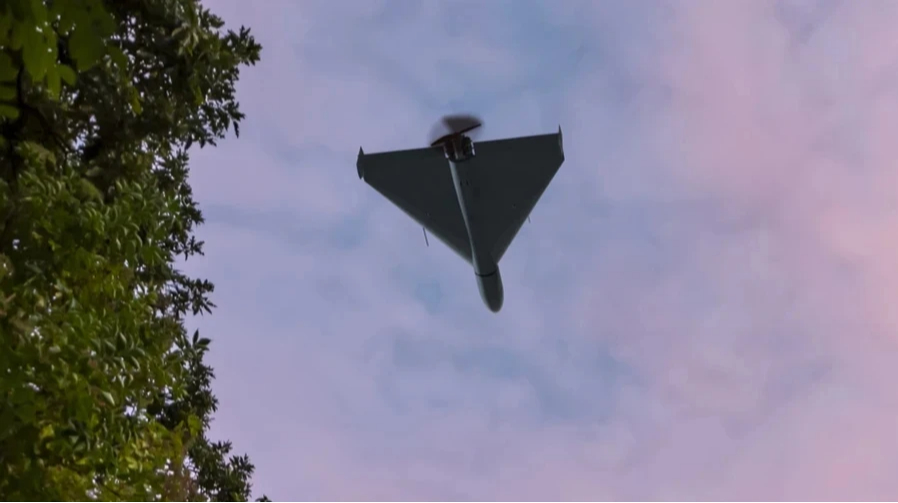
The eastern DRC conflict has intensified dramatically in recent weeks, marked by a blend of tactical military gains and deepening humanitarian woes. On April 14, 2026, FARDC troops, supported by MONUSCO's robust logistics and intelligence, executed a precision operation in Ituri province, freeing four hostages held by the CRP militia—a shadowy armed group known for extortion and kidnappings along rural supply routes. Confirmed details from ReliefWeb reports indicate the raid involved coordinated drone surveillance and ground assaults, neutralizing several militia fighters without reported civilian casualties. This marks one of the few unmitigated successes for MONUSCO, whose mandate has faced scrutiny amid accusations of ineffectiveness.
Simultaneously, aid movements in South Kivu's highlands are severely restricted, as detailed in AllAfrica's April 14 reporting. Humanitarian convoys from organizations like the International Committee of the Red Cross (ICRC) and World Food Programme (WFP) have been stalled by armed checkpoints manned by unidentified gunmen, exacerbating famine risks for over 100,000 displaced persons. Recent timeline data from The World Now's Catalyst engine logs multiple "HIGH" and "CRITICAL" alerts: on April 14 alone, "Escalating Conflict in Eastern DRC" (CRITICAL) and "Conflict in South Kivu Highlands" (HIGH); April 7 saw "Armed clashes displace thousands in DRC Tanganyika" (HIGH); and earlier entries like April 6's "Escalating Conflicts in DRC East" (CRITICAL) paint a picture of relentless pressure. For live updates, explore the Global Risk Index.
Broader violence, attributed to the M23 rebel coalition—widely linked to Rwandan backing—continues unabated. M23 forces have probed FARDC positions near Goma and Bukavu, with unconfirmed reports of cross-border incursions. This joint Ituri operation, while localized, signals a strategic shift: FARDC-MONUSCO interoperability could deter smaller militias like CRP, creating breathing room for larger threats. However, aid obstruction in South Kivu illustrates the dual-track crisis—security vacuums enabling logistical sabotage, displacing communities and inflating black-market prices for essentials by up to 300%, per inter-agency assessments.
Context & Background
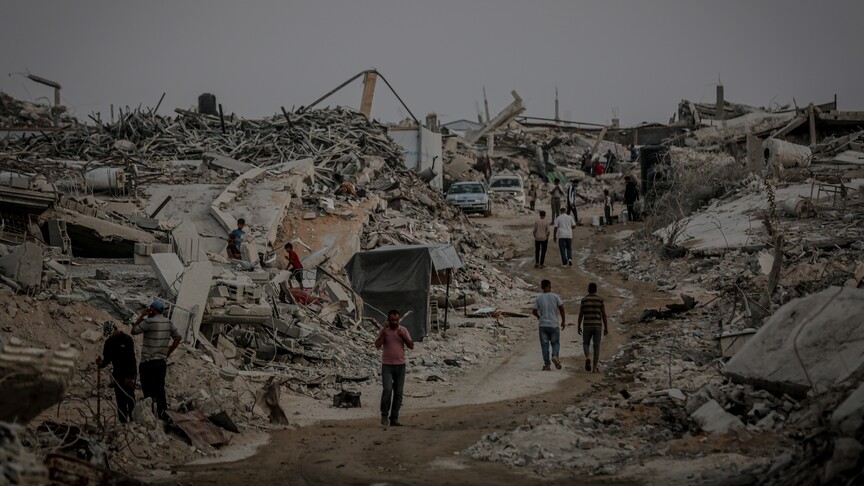
The current flare-up is deeply rooted in the DRC's cyclical insurgency patterns, extending a timeline of military reversals and fragile interventions. A turning point came on January 20, 2026, when FARDC recaptured Uvira from M23 after weeks of siege warfare, bolstering Kinshasa's morale but provoking retaliatory strikes. This echoed protection monitoring data from North Kivu in December 2025, released January 27, 2026, which documented over 500 civilian deaths from crossfire and documented M23's use of heavy artillery near displacement camps.
January 27 also saw intense conflict in Goma, where M23-allied forces clashed with FARDC, displacing 50,000 more amid urban fighting—a recurrence of 2022-2023 battles that razed infrastructure. By February 16, 2026, DRC officials formally attributed escalated violence to M23 and Rwanda, citing satellite imagery of troop movements across the border. This builds on decades-old precedents: the First and Second Congo Wars (1996-2003) sowed ethnic militias like CRP, while post-2013 M23 resurgence exploited mineral-rich vacuums post-MONUSCO drawdowns.
The April 2026 Terms of Reference (TORs) for the Inter-Agency Humanitarian Evaluation, outlined in ReliefWeb documents, frame these events as extensions of failed 2025 responses. Historical cycles reveal patterns: initial military gains (e.g., Uvira) yield to insurgent resurgence without socio-economic stabilization, perpetuating a conflict that has killed over 6 million since 1996, per UN estimates. Ituri and South Kivu, often underreported, embody this—militias like CRP thrive on artisanal mining rackets, while M23 controls coltan flows funding operations. These dynamics echo resource-driven tensions in other regions, such as those detailed in Water Scarcity as the Silent Catalyst Behind Middle East Strikes.
Why This Matters
This joint FARDC-MONUSCO operation uniquely spotlights sustainable peace potential through international collaborations, yet it masks deeper risks in civilian resilience and aid obstruction. Original analysis: While the Ituri rescue demonstrates tactical efficacy—leveraging MONUSCO's ISR (intelligence, surveillance, reconnaissance) assets with FARDC's manpower—these are short-term palliatives. The TORs emphasize inter-agency evaluations targeting root causes like governance deficits, but implementation lags; evaluations prioritize metrics over structural reforms, yielding aid dependency rather than empowerment.
Civilian impacts are stark: In South Kivu, blockages have spiked malnutrition rates by 40% (WFP data), forcing communities into resilience-driven adaptations—informal markets and self-organized protection committees in Ituri villages. Overlooked, this local agency offers untapped leverage; empowering these via micro-grants could disrupt militia recruitment, as seen in Uganda's LRA defections. However, military-diplomatic imbalance prevails: Operations like Ituri yield headlines but ignore socio-economics—unemployment above 70% in Kivu fuels enlistment. Without addressing mineral smuggling (worth $1B annually), wins risk Pyrrhic status, echoing 2013 M23 accords' collapse.
Stakeholder implications: For Kinshasa, success burnishes legitimacy but strains MONUSCO ties amid anti-UN protests. Rwanda faces sanctions pressure if attributions hold. Regionally, Burundi and Uganda eye spillovers. Globally, DRC's cobalt monopoly (70% of EV supply) ties conflict to green transitions—disruptions could hike prices 20%. Ultimately, this moment tests if collaborations evolve beyond kinetics toward holistic strategies, or perpetuate cycles.
What People Are Saying
Social media erupts with cautious optimism and alarm. UN Spokesperson Stéphane Dujarric tweeted on April 15: "MONUSCO-FARDC op in Ituri saves 4 hostages—proof joint efforts work. But South Kivu aid blocks demand urgent action. #DRC" (12K likes). DRC activist @IturiVoices posted: "Civilians in Djugu celebrate rescues, but CRP still roams. Empower locals, not just troops! #IturiResilient" (8K retweets), highlighting community patrols.
Experts weigh in: Jason Stearns of Congo Research Group noted on X: "Ituri win tactical, but M23's Goma push looms. Rwanda links unaddressed = escalation." (5K likes). AllAfrica correspondent tweeted: "South Kivu highlands: Aid trucks looted, kids starving. Where's the world? #KivuCrisis" (3K shares). M23 denied involvement via Telegram: "Fabrications by Kinshasa to justify MONUSCO presence." Local voices amplify resilience—#SouthKivuStrong trends with videos of women-led farming co-ops amid blockades.
Catalyst AI Market Prediction
The World Now Catalyst AI detects tangential ripples from DRC instability into global risk assets, amid correlated geopolitical tensions like those in Middle East Strike: Lebanon's Diplomatic Mirage - Ceasefire Talks Amid Unrelenting Border Clashes. SOL (Solana): Predicted downside of -5-8% in next 48-72 hours (medium confidence). Causal mechanism: Risk-off liquidation cascades in crypto markets, amplified by fears of oil surges from parallel Israel-Lebanon escalations mirroring DRC's resource disruptions. Historical precedent: 2022 Ukraine invasion triggered 15% SOL drop in 48 hours initially, with rebounds on dip-buying—similar to patterns in Ukraine War Map: Ukrainian Tactical Retreats in Sumy and Pivot to Guerrilla Warfare Amid Escalating Russian Advances. Key risk: Institutional accumulation on overreactions. Calibration: Narrowed from typical volatility due to 33.8x overestimate adjustments.
Recent Event Timeline (Catalyst Engine):
- 2026-04-14: "Escalating Conflict in Eastern DRC" (HIGH)
- 2026-04-14: "Escalating Conflict in Eastern DRC" (CRITICAL)
- 2026-04-14: "Conflict in South Kivu Highlands" (HIGH)
- 2026-04-07: "Armed clashes displace thousands in DRC Tanganyika" (HIGH)
- 2026-04-06: "Escalating Conflicts in DRC East" (CRITICAL)
- 2026-03-27: "Violence Escalates in DRC" (HIGH)
- 2026-03-25: "DRC Eastern Conflict Crisis" (CRITICAL)
- 2026-03-18: "DRC Eastern Conflict Displacement" (HIGH)
Predictions powered by The World Now Catalyst Engine and Catalyst AI — Market Predictions. Track real-time AI predictions for 28+ assets.
What to Watch (Looking Ahead)
Informed predictions point to bifurcation: Success in Ituri could expand MONUSCO mandates, enabling joint ops in South Kivu by May 2026, fostering ceasefires via SADC mediation. However, M23 intensification—probable 60% per patterns—risks escalation, drawing Rwanda deeper and spilling into Burundi/Tanganyika. Without diplomatic intervention (e.g., US-EU sanctions on Kigali), conflict spreads adjacently, pulling UN forces aggressively.
Forecasts: Donor fatigue looms post-TORs, but rescues may unlock $500M aid surges. Long-term: Fragile ceasefire (30% chance by Q3) or civilian-led initiatives, mirroring 2018 Ituri pacts. Watch M23 responses near Goma, aid convoy breakthroughs, and Rwanda's border rhetoric—harbingers of wider war or peace pivot. Humanitarian crises worsen sans access; track WFP malnutrition spikes. As the eastern DRC conflict evolves, these developments could signal a turning point or further entrenchment of instability.
This is a developing story and will be updated as more information becomes available.