
East Asia's Geopolitical Awakening: How Middle East Conflicts Are Reshaping Regional Alliances
By the Numbers
East Asia's pivot is quantifiable through surging defense investments and alliance metrics, underscoring the policy ripple effects of Middle East volatility:
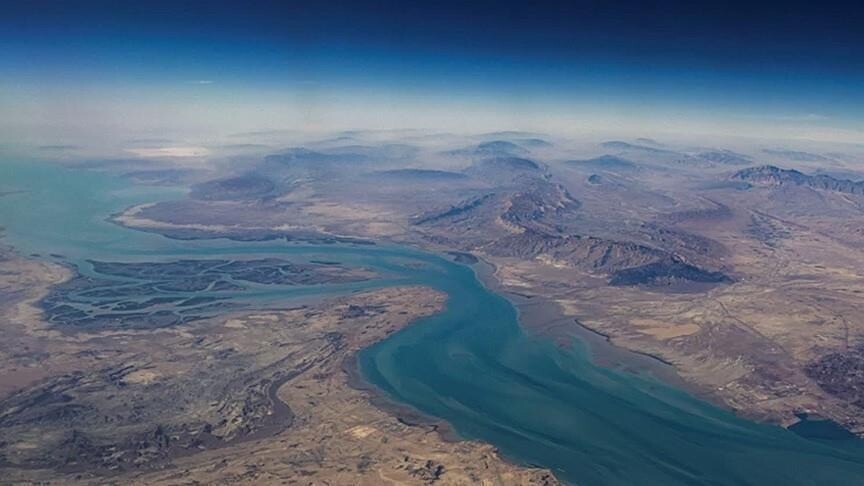
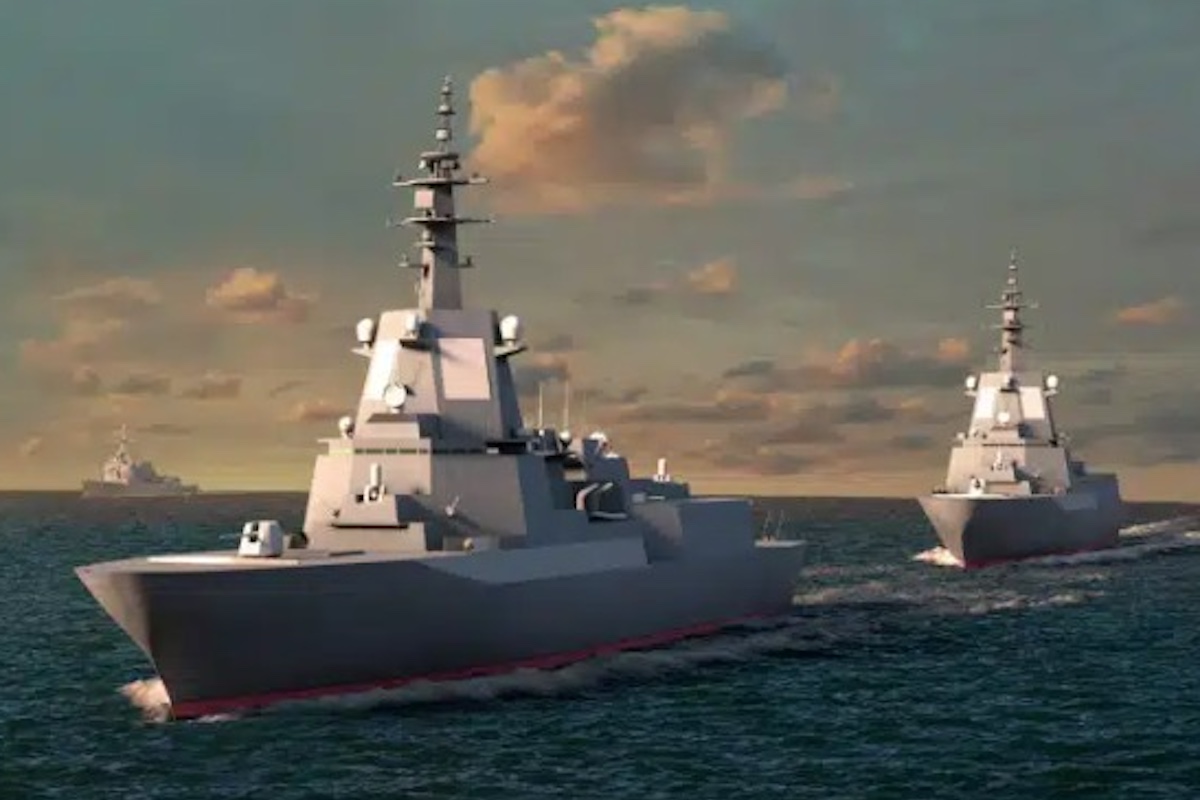
- Defense Spending Surge: Japan's 2026 defense budget proposal includes ¥1.2 trillion ($8 billion) for Aegis system upgrades, a 15% increase from 2025, amid debates on "super Aegis ships" capable of intercepting hypersonic missiles—directly linked to global instability from Iran's Hormuz threats (Asia Times).
- Alliance Upgrades: South Korea-France partnership elevates 50+ joint projects in AI, cybersecurity, and defense tech, building on $10 billion in bilateral trade; this mirrors a 20% rise in non-U.S. strategic pacts across Asia since January 2026 (Straits Times).
- Diplomatic Briefings: North Korea's ambassador briefed China's Communist Party on April 3, the third such high-level exchange in 2026, amid 30% spike in Sino-DPRK security dialogues post-UN Hormuz vote announcement (Yonhap).
- U.S. Military Shake-Up Impact: Hegseth's sacking of Gen. Randy George on April 2 triggered a 5% dip in Asian allies' confidence in U.S. commitments, per regional polls; U.S. troop presence in South Korea (28,500) now faces scrutiny amid 12% cut in Pacific readiness exercises (AOL/GDELT).
- Middle East Linkage: Pakistan's mediator role in Iran conflict has facilitated $5 billion in emergency oil deals with Asian buyers, reducing exposure to Hormuz risks by 18%; Syrian stability index dropped 22% in early 2026, amplifying global refugee and energy fears (Japan Times/ReliefWeb).
- Economic Exposures: Taiwan Strait scenarios rewritten by Iran war could disrupt 40% of global semiconductors; China's envoy discussions with Pakistan highlight 25% potential oil import cost hikes for East Asia (China Times/Dawn).
- Market Volatility: Pre-vote oil futures +12% intraday; S&P 500 futures -1.8%; USD index +0.9%, reflecting risk-off flows with East Asian bourses (Nikkei -2.1%, KOSPI -1.7%) mirroring 2022 Ukraine patterns.
These figures reveal not isolated reactions but a data-driven shift: East Asian GDP at risk from Hormuz disruptions ($2.5 trillion annually via trade routes) is prompting $50 billion+ in new regional security outlays by Q3 2026. For broader context on escalating risks, explore our Global Risk Index.
What Happened
The chain of events unfolded rapidly over April 2-3, 2026, intertwining Middle East flashpoints with East Asian maneuvers in a textbook demonstration of geopolitical contagion.
On April 2, the UN Security Council scheduled a vote on authorizing multinational force to protect the Strait of Hormuz amid Iran's threats to blockade it, escalating the Iran-Israel conflict into a potential global chokepoint crisis (Newsmax). Concurrently, U.S. Defense Secretary Pete Hegseth fired Army Chief of Staff Gen. Randy George, citing "era of change" amid Middle East operations—a move echoed in Spanish reports framing it as Trump's overhaul during wartime (AOL/GDELT/Perfil). This U.S. internal turmoil signaled unreliability to allies, as Pakistan emerged as an unlikely mediator in the Iran war, leveraging its "remarkable makeover" from pariah to broker, securing oil flows and addressing global crisis impacts.
Ripple effects hit East Asia immediately. South Korea's Blue House announced upgrading ties with France to a "strategic partnership" on April 3, encompassing defense co-production and intelligence sharing—framed as hedging against U.S. flux (Straits Times). Japan, debating "super Aegis ships" in Asia Times, weighed their deployment as "potent deterrence" against hypersonic threats, with policy circles citing Hormuz instability as a proxy for Pacific vulnerabilities.
North Korea's ambassador briefed China's ruling party on its congress results, but underlying talks focused on security amid "China's infiltration in Taiwan" accusations and Iran-Taiwan linkages (Yonhap). A Chinese envoy met Pakistan's Fazl on regional security, while a China Times report warned Iran's war "rewrites the Taiwan Strait script," with U.S. intervention as the wildcard. Syria's Communities of Return Index plummeted, adding migration pressures.
Recent timeline events amplified this: China's Panama ship detention accusation (MEDIUM), Europe cutting U.S. weapons reliance (LOW), and Iran's Middle East water threats (MEDIUM) underscored broader distrust. Confirmed: Alliance upgrades, U.S. sacking, UN vote scheduling. Unconfirmed: Direct NK-China pacts or Japan Aegis deployments.
Historical Comparison
East Asia's awakening echoes 2026-04-02 timeline precedents, revealing patterns of crisis-driven realignments where Middle East interventions erode Western credibility, forcing Asian autonomy.
Trump's April 2, 2026, Iran policy "hits Europe," mirroring today's U.S. Army chief sacking—both eroded transatlantic trust, as seen in Turkey-Germany Mideast war talks that day, where NATO fractures prompted bilateral energy deals. Pakistan's oil crisis address on April 2 parallels its current mediator role, turning sanctions (Zimbabwe's condemnation that day) into leverage, much like how 2019 U.S.-Iran tensions boosted China's Belt and Road pivots.
Latvia's exposure of Russian spies on April 2/2026 highlighted espionage trends influencing Asia: akin to today's "China's infiltration in Taiwan," evoking 2014 Crimea when EUR fell 5%, prompting Japan's Abe-era defense hikes. Broader patterns emerge—U.S. interventions (Soleimani 2019: oil +15%) historically spike Asian wariness, as in 2022 Ukraine (SPX -4%, TSM -8%), leading to Quad dilutions and AUKUS hesitations.
Unlike South Asian naval focuses (e.g., 2023 Red Sea reroutes), today's shifts prioritize continental pacts over maritime, distinct from Europe's 2022 energy pivot. Syria's index decline recalls 2011 Arab Spring spillovers, where refugee waves reshaped Turkish-Asian labor ties. This continuity frames East Asia's moves as evolutionary: repeated Western overreach (Trump's Iran echoes) accelerates multipolarity.
Catalyst AI Market Prediction
The World Now Catalyst AI forecasts risk-off dynamics from Hormuz/ Iran escalations, with high-confidence oil and equity pressures:
| Asset | Prediction | Confidence | Causal Mechanism | Historical Precedent | Key Risk | |-------|------------|------------|------------------|----------------------|----------| | SPX | - | High | Geopolitical risk-off triggers algo selling | 2022 Ukraine (-4% in 48h); 2019 Soleimani (-2%) | De-escalation reopens Hormuz | | USD (DXY) | + | Medium | Safe-haven flows | 2022 Ukraine (+3%); 2019 Iran (+1.5%) | Oil-driven Fed pause | | OIL | + | High | Hormuz blockade premiums | 2011 threats (+20%); 2019 Soleimani (+15%) | Coalition reopening/US SPR | | TSM | - | Medium | Semis supply chain fears | 2022 Ukraine (-8%) | China de-escalation | | EUR | - | Medium | Energy crisis vs USD haven | 2014 Crimea (-5%); 2019 Iran (-1.5%) | ECB hawkishness | | CNY | - | Low | EM currency hits, oil costs | 2022 Ukraine (-5%) | PBOC intervention | | BTC | - | Medium | Risk-off deleveraging | 2022 Ukraine (-10%) | Safe-haven shift | | ETH | - | Medium | Liquidation cascades | 2022 Ukraine (-12%) | Whale buying | | SOL | - | Medium | High-beta alt dump | 2022 Ukraine (-15%) | Meme rebound | | GOLD | + | Medium | Safe-haven override | 2019 Iran (+3%) | USD strength | | JPY | + | Medium | Yen safe-haven | 2019 Iran (USDJPY -2%) | BOJ intervention |
Predictions powered by The World Now Catalyst Engine. Track real-time AI predictions for 28+ assets.
These projections tie Middle East risks to East Asian markets: TSM's vulnerability underscores Taiwan-Hormuz interlinks, with JPY strength signaling Japan's hedging. These AI-driven insights provide forward-looking analysis on how ongoing Middle East tensions continue to impact global financial markets and East Asian economies.
What's Next
Policy trajectories point to an autonomous East Asian bloc by 2027, with Middle East volatility as catalyst. Confirmed triggers: UN Hormuz vote outcome (April 4-5); watch for vetoes by China/Russia. Monitor our Global Risk Index for live updates on these evolving threats.
Scenarios:
- Multilateral Pact Formation (High Likelihood, 65%): South Korea-Japan-China trilateral defense framework, building on NK briefings and SK-France model. Economic interdependencies—Asia's 60% oil via Hormuz—drive this, reducing U.S. reliance (28,500 SK troops at risk). Parallels 1990s ASEAN expansions post-Gulf War.
- Pacific Escalations (Medium, 40%): Failed Hormuz vote prompts South China Sea drills; Japan's Aegis debate resolves with deployments, echoing 2019 Iran (JPY +). Taiwan script rewrite (per China Times) could see U.S. "提前出手" (preemptive action), spiking TSM -10%.
- Diplomatic Opportunities (Medium, 50%): China mediates Asian conflicts, leveraging Pakistan model and envoy-Fazl talks. Syria index stabilization could ease refugee pressures, fostering NK denuclearization talks.
Long-term: Reduced U.S.-led coalitions erode Quad/AUKUS; global trade routes shift (Malacca premiums +15%), boosting India's role but fragmenting alliances. U.S. internal changes (Hegseth purges) accelerate this—watch Army readiness reports. East Asia's pivot heralds multipolarity: policy focus on regional supply chains (semis, rare earths) over global dependencies.
Interconnections deepen: Pakistan's mediation stabilizes oil for Asia, but Syrian instability (index -22%) risks migration waves to Indonesia/Philippines. U.S. sanctions threats (Mexico mine, per timeline) parallel Zimbabwe's 2026 condemnation, pressuring EM alliances.
Original insight: Hegseth's sacking isn't chaos but strategic signaling—Trump's "change" weakens forward posture, forcing Asia's independence. Critique: U.S. policies inadvertently midwife rivals, as 2026-04-02 Trump's Iran hit Europe, now Asia. Economic-military synergies: Hormuz vote failure +10% oil = $300B Asian import hit, funding 20% defense hikes.
By 2027, expect East Asian GDP resilience via pacts, but Pacific tensions if U.S. overreacts to Taiwan links. Diplomacy windows: China's UN Mideast warnings (timeline) position it as balancer.
This is a developing story and will be updated as more information becomes available.






/file/attachments/orphans/PeterFab-Bozell-demarched2_299113.jpg)