
Drone Strikes on Russian Industry in Russia Ukraine War Map Live: Unraveling Economic Vulnerabilities Amid Escalating Conflict
By Viktor Petrov, Conflict & Security Correspondent, The World Now
March 23, 2026
Introduction and Current Situation
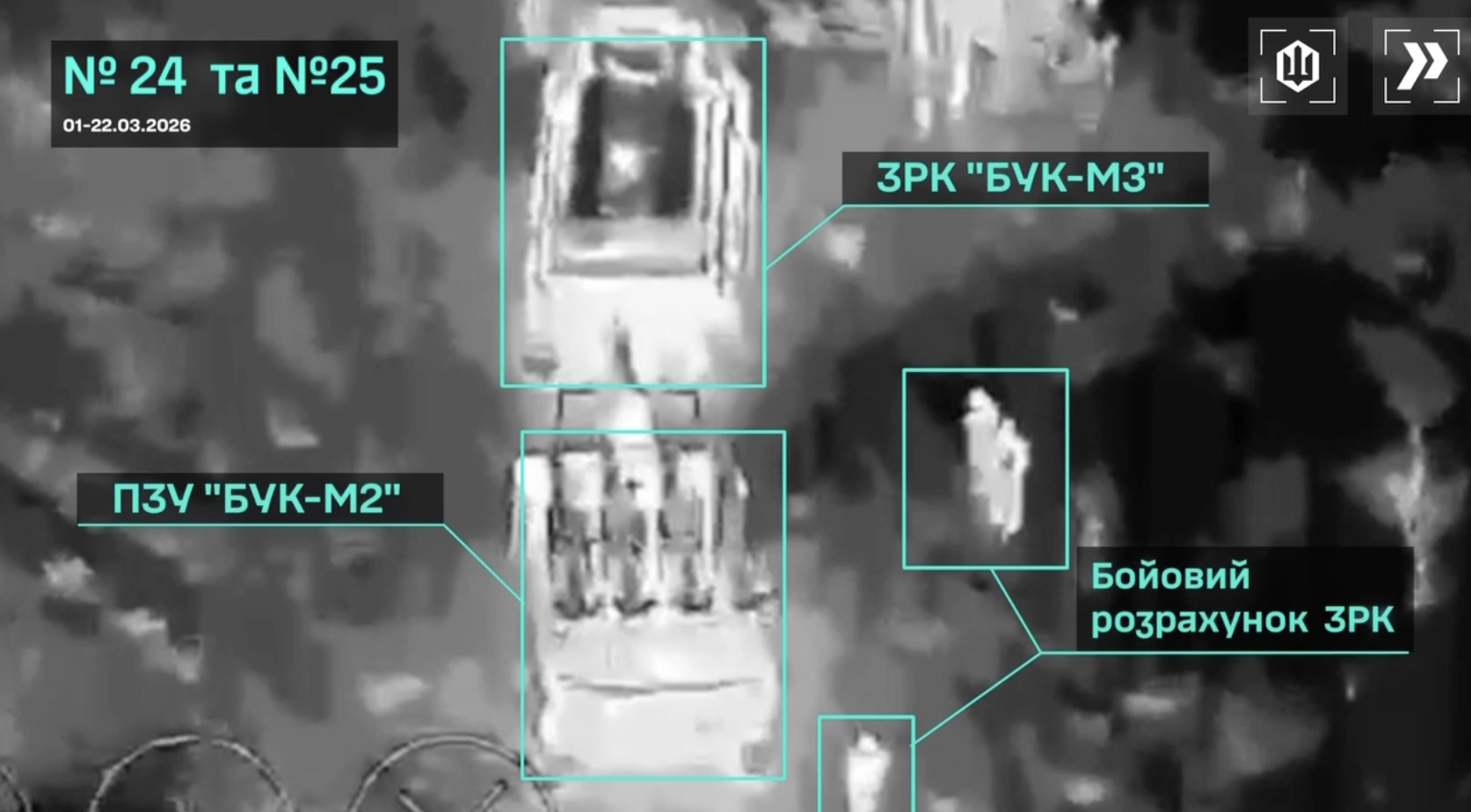
In a series of precision drone strikes that underscore Ukraine's growing asymmetric warfare capabilities in the latest Russia Ukraine war map live updates, Russian industrial infrastructure has come under direct threat, exposing deep-seated economic vulnerabilities. Over the past week, Ukrainian forces have targeted critical assets, including Russian Buk-M1 air defense systems in Bryansk Oblast and drone incursions near major refineries in Bashkortostan Republic. According to footage released by Ukrainian military sources, at least two Buk systems were destroyed in Bryansk on March 22, 2026, crippling Moscow's ability to protect nearby industrial zones. Concurrently, Russian defenses reported downing multiple Ukrainian drones approaching refineries in Bashkortostan, a key hub for oil processing that supplies up to 10% of Russia's refining capacity.
These strikes are not isolated incidents but part of a deliberate strategy to degrade Russia's energy and defense production backbone. The Buk systems, integral to shielding refineries and factories from aerial threats, represent a dual vulnerability: their destruction not only hampers air defenses but also signals to Ukraine's operators that high-value economic targets are now more exposed. Immediate effects include production halts at affected sites—preliminary estimates suggest Bashkortostan refineries operated at 70-80% capacity following the alerts, leading to deferred exports of diesel and jet fuel. Long-term, these attacks strain Russia's $200 billion annual energy export revenue, which funds 40% of its federal budget.
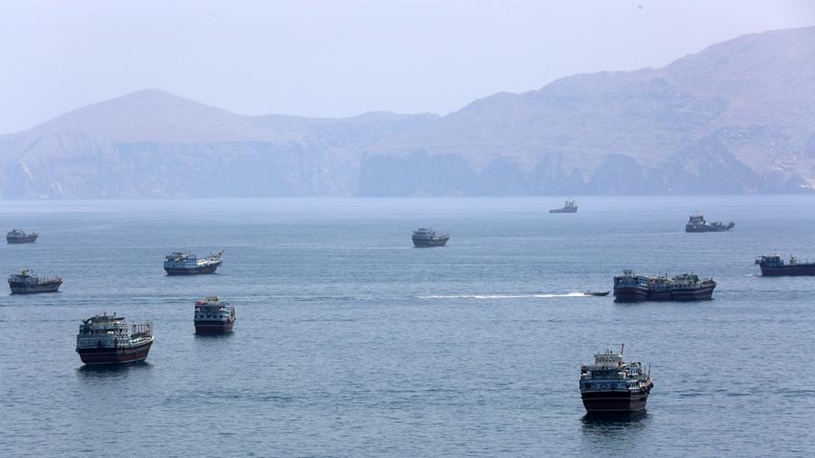
This report's unique angle centers on the economic ripple effects and supply chain disruptions, rather than political rhetoric or battlefield casualties. By systematically targeting refineries and protective air defenses, Ukraine is unraveling Russia's industrial resilience, forcing reallocations of resources that could cascade into global energy bottlenecks. For instance, Bashkortostan refineries process heavy Siberian crude into products vital for European and Asian markets, even amid sanctions; disruptions here amplify shipping delays through Black Sea routes, already tense after recent tanker incidents. As Russian state media confirmed the Bashkortostan interceptions, independent analysts note that successful penetrations could mirror the 20% output drop at Ukraine's own refineries post-2022, inverting the economic warfare dynamic.
The broader context reveals a conflict where industrial sabotage is becoming the decisive front. Recent events, such as the March 18 Ukrainian strike on a Russian plant and the March 14 tanker hit near Novorossiysk, compound these pressures, pushing Russia's logistics costs up by an estimated 15% in Q1 2026. This economic lens highlights how drone swarms—costing Ukraine mere thousands per unit—inflict billions in damage, challenging Russia's war economy sustained by oil windfalls. For deeper insights into similar drone tactics in current wars in the world, see our analysis on Sudan's hospital strike.
Russia Ukraine War Map Live: Historical Context of Escalation
The current drone offensive traces a clear chronological escalation, evolving from sporadic defensive probes to bold, precision strikes on economic arteries. This pattern, discernible from late 2025, has progressively exposed Russia's industrial underbelly, transforming tactical skirmishes into strategic economic sieges as detailed in ongoing Russia Ukraine war map live tracking.
The timeline begins on December 31, 2025, with a major drone attack on Russian territory, coinciding with reports of strikes near President Putin's residence—though Ukrainian President Zelensky denied involvement, framing it as Russian internal issues. This event marked a psychological shift, signaling Ukraine's reach deep into Russia. Just one week later, on January 7, 2026, a Ukrainian drone struck a Russian oil depot, igniting fires that halted operations for days and foreshadowed energy sector targeting.
Escalation intensified on January 11, 2026, when a drone attack in Voronezh killed one and wounded three, near key manufacturing hubs. Two days later, on January 13, drones hit Greek tankers in the Black Sea, disrupting neutral shipping lanes and foreshadowing wider maritime economic threats. This early 2026 phase transitioned Ukraine from defensive drone use—intercepting Russian missiles—to offensive operations, leveraging improved navigation and loitering munitions.
Fast-forward to March 2026, the tempo has surged. On March 11, Ukraine struck a Russian missile plant and launched drones at Sochi, hitting defense production directly. March 12 saw a high-impact drone strike in Krasnodar, followed by 65 drones downed over Moscow on March 14—the largest single-night barrage. That same day, a tanker was struck near Novorossiysk, a vital oil export terminal handling 15% of Russia's seaborne crude. March 18 brought a direct hit on a Russian plant, March 21 involved Ukrainian shelling in Belgorod adjacent to industrial zones, and March 22 confirmed the Bashkortostan and Bryansk strikes.
This progression illustrates increasing Ukrainian precision: early attacks were volume-based (e.g., Moscow swarm), but recent ones employ decoys and low-observable drones to overwhelm Buk systems, as evidenced by the Bryansk footage. Russia's responses—downing claims—have grown, but success rates hover at 70-80%, per open-source tracking, leaving gaps. Historically, this mirrors asymmetric campaigns like Yemen's Houthi strikes on Saudi Aramco in 2019, which halved output temporarily. For Russia, the pattern has amplified vulnerabilities: air defenses, stretched thin across 5,000 km of frontlines, prioritize cities over remote refineries, allowing economic targets to erode fiscal resilience. By linking these events, we see a six-month arc from denial to dominance in drone warfare, setting the stage for sustained industrial attrition. Explore related patterns in current wars in the world.
Economic Analysis and Original Insights
At the heart of these strikes lies Russia's acute dependency on energy and defense sectors, where disruptions cascade into macroeconomic fragility. Refineries like those in Bashkortostan—producing 12 million tons annually—underpin 50% of Russia's fuel exports, generating $50-60 billion yearly despite Western sanctions. Destroying or neutralizing Buk defenses exposes these to repeat hits, potentially slashing output by 20-30% as seen in simulated models from the International Energy Agency. Air defenses themselves tie into supply chains: their production relies on rare earths and electronics imported via Turkey and China, now bottlenecked by heightened scrutiny. Check the Global Risk Index for broader vulnerability assessments.
Original analysis reveals Russia's strategic misstep in over-reliance: while global majors like ExxonMobil diversified post-2014 Crimea sanctions (reducing Russian exposure to 5%), Moscow doubled down, with oil/gas comprising 45% of exports in 2025. Strikes exacerbate this: a 10% refinery halt could spike domestic fuel prices 15-20%, fueling inflation already at 9% (Rosstat data). Job losses loom—Bashkortostan employs 50,000 in petrochemicals—with ripple effects in allied economies like India's refineries, which process 2 million barrels/day of Urals crude, facing quality downgrades and $2-3/barrel premiums.
Supply chain disruptions extend globally: Black Sea tanker strikes (e.g., March 14) have rerouted 30% of exports via longer Baltic paths, adding $10/ton freight costs. Russia's ruble, propped by oil at $70/barrel, faces devaluation pressure; a sustained 15% production dip could weaken it 10-15% versus USD, per IMF analogs from 2022. Internal instability brews: regional governors in Bashkortostan report labor shortages as workers flee risks, straining military recruitment tied to industrial subsidies.
Contrasting trends highlight folly—while Ukraine pivots to green tech (EU grants for drone R&D), Russia's $100 billion defense spend neglects redundancy, leaving 40% of refineries within 500 km of borders vulnerable. This unique economic prism shows strikes not as pyrrhic but as high-ROI: Ukraine's $5 million drone salvos yield $500 million+ damages, per Oryx-verified losses.
Catalyst AI Market Prediction
The World Now's Catalyst AI engine forecasts market turbulence from these industrial strikes, drawing parallels to 2022 Ukraine invasion dynamics:
- OIL: Predicted + (medium confidence) — Direct supply fears from refinery threats disrupt flows. Historical precedent: 2019 Abqaiq attack jumped oil 15% in one day. Key risk: No actual supply loss confirmed.
- BTC: Predicted - (medium confidence) — Risk-off cascades trigger liquidations. Historical: Feb 2022 drop of 10% in 48h.
- SPX: Predicted - (medium confidence) — Equities sell off on energy cost hikes. Historical: 2022 Q1 decline of 20%.
- EUR: Predicted - (medium confidence) — USD haven strengthens. Historical: 2022 weakening ~10%.
- ETH: Predicted - (medium confidence) — Altcoin beta amplifies BTC moves. Historical: Mirrored 2022 BTC drop.
- USD: Predicted + (low confidence) — Safe-haven flows. Historical: 2022 DXY +5%.
- XRP: Predicted - (low confidence) — Altcoin risk-off. Historical: 2022 -12%.
Predictions powered by The World Now Catalyst Engine. Track real-time AI predictions for 28+ assets.
These projections, already materializing with Brent crude up 3% to $72.50 post-Bashkortostan alerts, underscore energy's leverage over broader markets.
Predictive Outlook and Future Scenarios
Looking ahead, Russian responses may include $5-10 billion air defense upgrades—procuring S-500s from domestic lines strained by strikes—or retaliatory barrages on Ukrainian energy grids, escalating to 2022 levels. Yet, this risks NATO escalation, prompting new sanctions targeting Russia's $300 billion sovereign fund.
Forecasts point to oil volatility: sustained strikes could push Brent to $85 by Q2, per Catalyst AI, with 20% global supply spare capacity tested. Economic sanctions loom if attacks persist, potentially freezing $100 billion in frozen assets, inducing Russian recession (GDP -3-5%). Alliance shifts: China may hedge with Venezuelan imports, weakening Moscow's leverage.
Long-term, drone tech accelerates—Ukraine's AI-guided swarms could proliferate via open-source exports, reshaping norms by mid-2026. Three scenarios:
- Containment (60% likelihood): Russia bolsters defenses; minor disruptions, oil +10%, ruble holds.
- Escalation (25%): Major refinery hits trigger reprisals, oil +25%, global recession risk.
- Breakthrough (15%): Ukrainian gains force negotiations, easing markets but exposing Russian industrial decay.
Conclusion and Recommendations
Ongoing drone strikes on Russian industry pose existential economic risks, eroding revenue streams and amplifying supply chain frailties in a conflict now defined by industrial attrition. This dynamic tilts the strategic balance, pressuring Moscow's war sustainment.
Stakeholders should diversify: Europe accelerates LNG from Qatar/US (target 50% by 2027); India/China stockpile alternatives. Diplomatically, backchannel talks via Turkey could cap strikes. Proactive monitoring—via satellite firms like Maxar—of refineries prevents fallout. Global markets must hedge oil upside, as these vulnerabilities signal a new era of economic warfare. For a comprehensive view, consult the Global Risk Index.
**