
Dominica Strikes U.S. Asylum Seeker Deal as Trump Administration Broadens Deportation Network
Washington, D.C. / Roseau, Dominica – The United States has reportedly secured an agreement with the Caribbean island nation of Dominica to accept asylum seekers, marking a significant expansion of deportation partnerships under the Trump administration. The deal, announced on January 6, 2026, follows similar pacts with Belize and Paraguay, as part of a broader strategy to offload migration pressures amid heightened border enforcement efforts.
This development comes amid President Donald Trump's renewed focus on immigration control following his inauguration for a second term. The agreement with Dominica, a small Eastern Caribbean nation with a population of approximately 72,000, positions it as a potential destination for asylum seekers processed or deported from the U.S. While specific terms remain undisclosed, the arrangement echoes "safe third country" models used by the U.S. in previous years, where partner nations agree to host migrants ineligible for U.S. asylum.
The Fox News report, citing sources familiar with the negotiations, indicates the pact could facilitate the transfer of asylum seekers to Dominica, alleviating strains on U.S. immigration facilities. This builds on recent deals: in late 2025, the U.S. finalized similar agreements with Belize in Central America and Paraguay in South America, creating a network of willing partners for repatriation or third-country processing. These moves align with Trump's campaign promises of mass deportations, targeting millions of undocumented immigrants and asylum claimants.
Details of the Agreement
Details on the Dominica deal are sparse, as official statements from both governments have yet to be released. The U.S. Department of Homeland Security (DHS) and Dominica's Office of the Prime Minister did not immediately respond to requests for confirmation. However, the reported framework suggests Dominica would accept individuals who fail U.S. asylum screenings or are deemed inadmissible, potentially including those from Latin America, Africa, or other regions arriving at the U.S.-Mexico border.
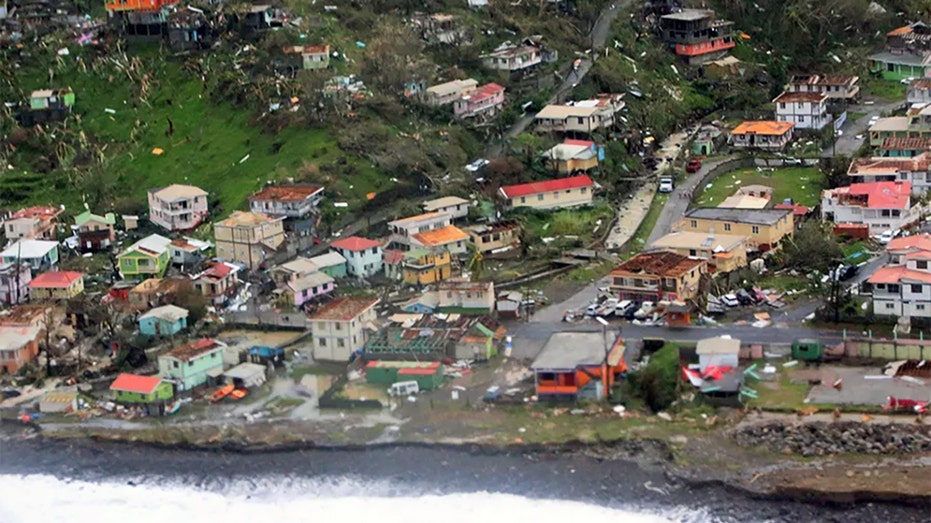
Dominica's involvement is notable given its limited resources. The nation, known for its volcanic landscapes, rainforests, and a citizenship-by-investment program that has attracted global investors, relies heavily on tourism, agriculture, and remittances. Its economy, with a GDP of around $650 million, faces vulnerabilities from natural disasters—most recently Hurricane Maria in 2017, which devastated infrastructure. Critics may question the capacity of such a small state to manage influxes of migrants, though proponents argue these deals include U.S. financial incentives, as seen in prior pacts.
The timing coincides with a surge in U.S. border encounters. U.S. Customs and Border Protection (CBP) data from fiscal year 2025 showed over 2.5 million migrant interactions at the southwest border, a figure that dipped slightly post-election but remains elevated. Trump's administration has ramped up expedited removals and invoked Title 42-like authorities, prompting the need for international cooperation.
Broader Geopolitical Context
U.S. Immigration Strategy Evolution
The Trump administration's deportation expansion reflects a geopolitical pivot in migration diplomacy. During Trump's first term (2017-2021), deals with Mexico and Guatemala under the Migrant Protection Protocols (MPP) redirected asylum flows. The Biden era saw many such agreements lapse, leading to backlogs exceeding 1 million asylum cases by 2025. Trump's return has revived and accelerated these efforts, with over a dozen nations now in talks.
Paraguay's agreement, signed in December 2025, commits to accepting up to 5,000 migrants annually with U.S. aid packages. Belize's pact focuses on Central American returnees. Dominica's entry diversifies this network into the Caribbean, a region historically cooperative on U.S. security matters but less so on migration.
Dominica's Strategic Position
Dominica, a member of the Commonwealth of Nations and the Organization of Eastern Caribbean States (OECS), maintains close ties with the U.S. through trade, disaster relief, and anti-drug trafficking initiatives. Prime Minister Roosevelt Skerrit, in power since 2004, has navigated economic recovery via foreign investment, including from China and Middle Eastern funds. The U.S. deal could bring economic benefits, such as infrastructure funding, but risks domestic backlash over resource strains.
Caribbean leaders have mixed views on migration pacts. Larger neighbors like Jamaica and Trinidad and Tobago host UNHCR operations but resist becoming dumping grounds. The Caribbean Community (CARICOM) has called for equitable burden-sharing in regional forums.
Potential Implications and Outlook
This agreement underscores shifting global migration dynamics, where smaller nations leverage U.S. partnerships for development aid. For the U.S., it could expedite deportations, targeting Trump's goal of removing 1 million immigrants annually. However, legal challenges loom: advocacy groups like the ACLU have sued over similar past deals, arguing they violate non-refoulement principles under international law.
In Dominica, the deal may boost short-term U.S. ties but test social cohesion. As climate change exacerbates Caribbean migration—Dominica itself is vulnerable to rising seas—leaders must balance inflows with resilience planning.
As negotiations finalize, watch for congressional funding debates and reactions from Mexico and Canada, key U.S. migration partners. This pact signals a new era of "deportation diplomacy," reshaping geopolitics in the Americas and beyond.
(Word count: 712)