
Delhi Sees Fresh Tensions: Supreme Court Rejects Bail for 2020 Riots Activists as Mosque Demolition Sparks Clashes
New Delhi, India – In a week marked by heightened civil unrest concerns, India's Supreme Court on January 5 denied bail to student activists Umar Khalid and Sharjeel Imam, charged in connection with the deadly 2020 Delhi riots, prolonging their detention without trial. Just days later, a late-night demolition drive near a historic mosque in the capital descended into chaos, with stone-pelting injuring police personnel and prompting detentions.
The Supreme Court's decision, rated as a medium-severity civil unrest event, has drawn sharp criticism from the activists' families, who expressed profound disappointment over what they describe as extended incarceration amid stalled legal proceedings. Khalid and Imam, both prominent figures in student politics, have been in custody since their arrests in 2020 under anti-terror laws, including provisions of the Unlawful Activities (Prevention) Act (UAPA). The court upheld lower court rulings denying bail, citing the gravity of allegations linking them to a larger conspiracy behind the riots that killed over 50 people and injured hundreds.
The 2020 riots erupted amid protests against the Citizenship Amendment Act (CAA), which fast-tracks citizenship for non-Muslim refugees from neighboring countries. What began as peaceful demonstrations turned violent in northeast Delhi, with clashes between pro- and anti-CAA groups, allegations of police complicity, and accusations of a premeditated plot by various opposition figures. Over 1,700 people were arrested, and trials have dragged on for years, raising concerns about judicial delays and the use of stringent laws.
Families of the accused have highlighted the lack of trial progress, with Umar Khalid's father noting in past statements the emotional toll of prolonged pre-trial detention. This latest rejection underscores ongoing debates over bail norms in sedition and terror-related cases in India, where courts often prioritize public safety and investigation integrity.
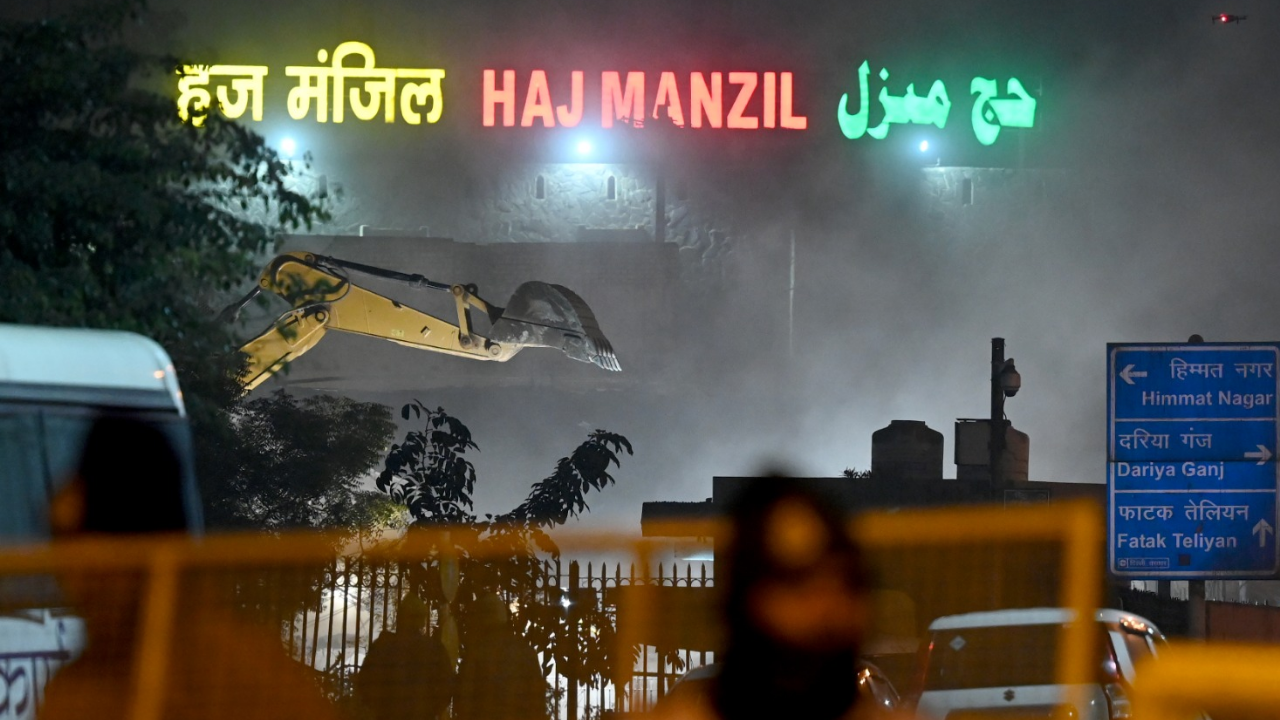
Compounding Delhi's fragile communal atmosphere, a Municipal Corporation of Delhi (MCD) operation on January 7 near the Faiz-e-Ilahi Mosque escalated into violence. Dubbed the "1am op" by local media, the drive targeted illegal encroachments as ordered by the Delhi High Court. Heavy security was deployed, including 32 Junior Commandos Battalion (JCB) personnel and Rapid Action Force (RAF) units, alongside tear gas and machinery to raze unauthorized structures.
According to reports, the operation turned tense when locals resorted to stone-pelting, injuring several police officers. Authorities responded by registering a First Information Report (FIR) and detaining individuals involved. Investigations are underway, aided by CCTV footage, as officials maintain the action was lawful to reclaim public space. The mosque, a site of historical significance, has been at the center of encroachment disputes, reflecting broader urban challenges in India's densely populated capital.
Background on Delhi's Civil Unrest Patterns
Delhi has a history of communal flare-ups, from the 1984 anti-Sikh riots to the 2020 Northeast Delhi violence, often triggered by religious or political flashpoints. Encroachment removals, frequently court-mandated, have repeatedly led to standoffs, as seen in past Jahangirpuri demolitions post-2022 riots. These incidents highlight tensions between urban development, minority rights, and law enforcement in a city of over 30 million.
The timing of the mosque clash, shortly after the bail denial in the 2020 case, has amplified fears of renewed unrest. Activists from the 2020 protests, including Khalid and Imam, had mobilized against perceived discrimination, and similar narratives around demolitions—often labeled "bulldozer justice" by critics—continue to stoke grievances.
Ongoing Investigations and Community Response
Police have vowed thorough probes into the stone-pelting, with no official casualty figures beyond injured officers released yet. Community leaders have urged calm, while opposition parties criticized the midnight timing of the demolition as provocative. The MCD defended the operation as essential for civic order, aligning with High Court directives to curb illegal constructions that exacerbate traffic and sanitation issues.
As Delhi braces for potential aftershocks, authorities have ramped up surveillance. The Supreme Court's bail stance may fuel legal challenges, with appeals possible, while the demolition probe could yield arrests. These events underscore persistent fault lines in India's multicultural fabric, where judicial interventions intersect with street-level enforcement.
In the broader context of national politics ahead of upcoming elections, such flare-ups risk polarizing discourse. For now, Delhi remains on edge, balancing development drives with the imperative to maintain peace.
(Word count: 612)






