
Delhi Sees Fresh Clashes Amid Lingering Tensions from 2020 Riots Case
New Delhi, India – India's Supreme Court has denied bail to prominent student activists Umar Khalid and Sharjeel Imam in the high-profile 2020 Delhi riots case, extending their prolonged incarceration without trial and drawing sharp criticism from their families. Just days later, on January 7, 2026, a court-ordered demolition drive in the capital sparked stone-pelting incidents, resulting in five arrests and injuries to police personnel, highlighting ongoing frictions in the region.
The Supreme Court's decision, announced on January 5, 2026, has intensified debates over judicial delays and the rights of undertrial prisoners. Umar Khalid, a former Jawaharlal Nehru University student, and Sharjeel Imam, a research scholar, have been detained since 2020 on charges related to the larger conspiracy behind the communal riots that erupted in northeast Delhi. Families of the activists expressed profound disappointment, emphasizing that the duo has remained behind bars for over five years without the commencement of a full trial. This ruling underscores persistent legal battles stemming from one of India's most violent episodes of civil unrest in recent memory.
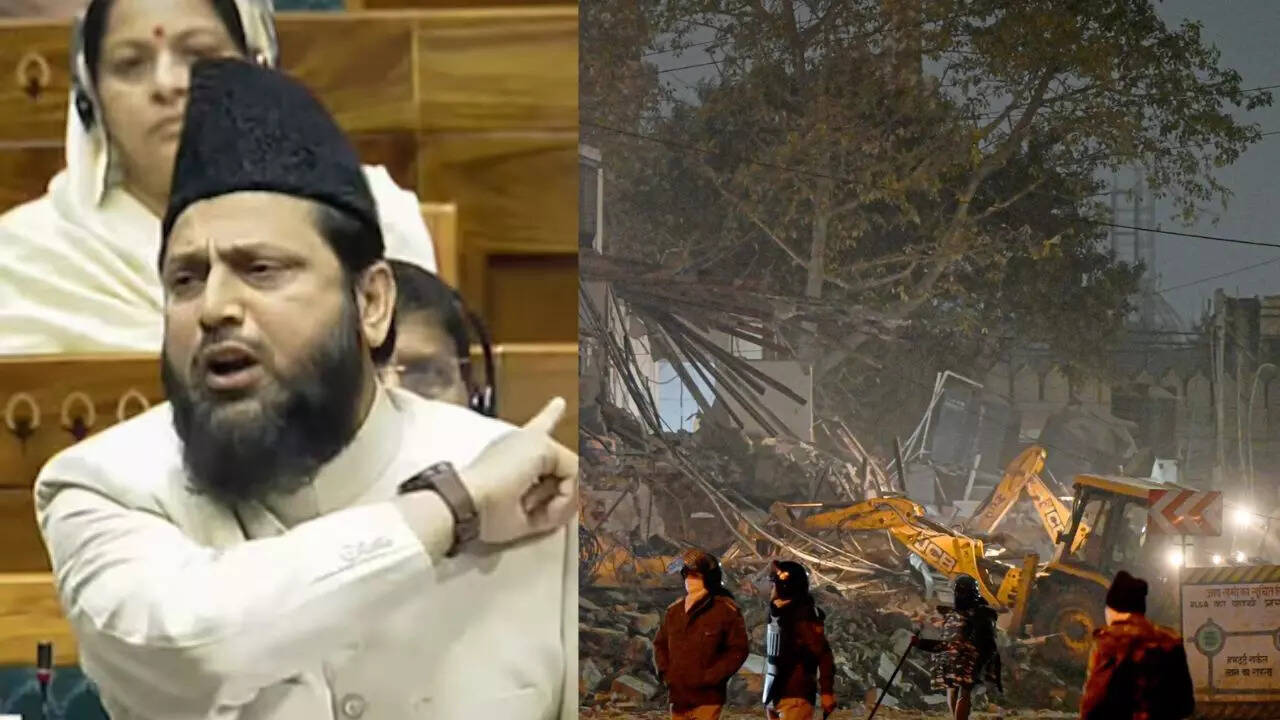
In a separate but potentially linked incident, tensions flared during a demolition operation near Faiz-e-Elahi Masjid in Delhi on January 7. The Municipal Corporation of Delhi (MCD) was enforcing a court order to clear encroached land, which included commercial establishments in the area. As bulldozers moved in, protesters resorted to stone-pelting, injuring five police personnel. Delhi Police swiftly arrested five individuals in connection with the violence.
Samajwadi Party (SP) Member of Parliament Mohibbullah Nadvi was present at the site, observing the proceedings. Authorities have clarified that the mosque itself was not targeted and remains intact, with officials issuing warnings against any attempts to provoke violence or spread misinformation. "The operation was strictly as per court directions to remove encroachments," a police statement noted, as reported by the Times of India. The incident adds to a pattern of confrontations during anti-encroachment drives across Indian cities, often intersecting with religious sensitivities.
Background on Delhi's Unrest Legacy
The 2020 Delhi riots, which killed over 50 people—mostly Muslims—and injured hundreds, were triggered amid protests against the Citizenship Amendment Act (CAA). The violence, concentrated in areas like Jaffrabad, Maujpur, and Bhajanpura, saw clashes between pro-CAA demonstrators and anti-CAA protesters. Khalid and Imam were accused under the Unlawful Activities (Prevention) Act (UAPA) of inciting the riots through speeches and organizing efforts. Multiple lower courts and high court benches have previously denied their bail pleas, citing the gravity of allegations involving a "larger conspiracy."
Legal experts point to the slow pace of trials under stringent anti-terror laws like UAPA, where bail is notoriously difficult to secure. As of early 2026, over 700 cases related to the riots remain pending, with many accused still awaiting trial. The Supreme Court's latest rejection, delivered by a bench reviewing their pleas, reiterated concerns over potential tampering with evidence and the broader threat to public order.
Meanwhile, demolition drives have become a flashpoint in Delhi's urban governance. The MCD, under the Aam Aadmi Party-led administration, has intensified efforts to reclaim public land amid accusations of selective targeting. Similar operations in Muslim-majority areas, such as Jahangirpuri in 2022 following communal clashes, have drawn allegations of political motivation from opposition parties. Nadvi's presence at the Faiz-e-Elahi Masjid site reflects growing political scrutiny, with SP leaders framing such actions as discriminatory.
Broader Context and Implications
These events occur against a backdrop of heightened communal polarization in India. Prime Minister Narendra Modi's Bharatiya Janata Party (BJP)-led government has faced criticism from human rights groups like Amnesty International and Human Rights Watch for what they term "overreach" in using UAPA against activists. Conversely, government officials maintain that the law is essential to combat terrorism and maintain law and order.
The demolition incident prompted quick police action, with investigations underway to identify instigators. Delhi Police Commissioner has assured the public of strict enforcement against violence, while urging restraint. No casualties were reported beyond the injured officers, and the area was brought under control shortly after.
As India approaches key state elections and the implementation of the CAA rules in 2026, such flare-ups risk amplifying divisions. Families of Khalid and Imam have vowed to pursue further legal avenues, potentially including curative petitions. Meanwhile, civic authorities continue anti-encroachment operations, balancing urban development with community concerns.
The convergence of judicial decisions and street-level clashes in Delhi signals simmering undercurrents of civil unrest. Stakeholders on all sides call for dialogue to prevent escalation, though historical precedents suggest challenges ahead in fostering reconciliation.
(Word count: 612)






