Deadly Clashes in Darfur Claim 114 Lives Amid Sudan’s Ongoing Civil War

Latest from X
Deadly Clashes in Darfur Claim 114 Lives Amid Sudan’s Ongoing Civil War
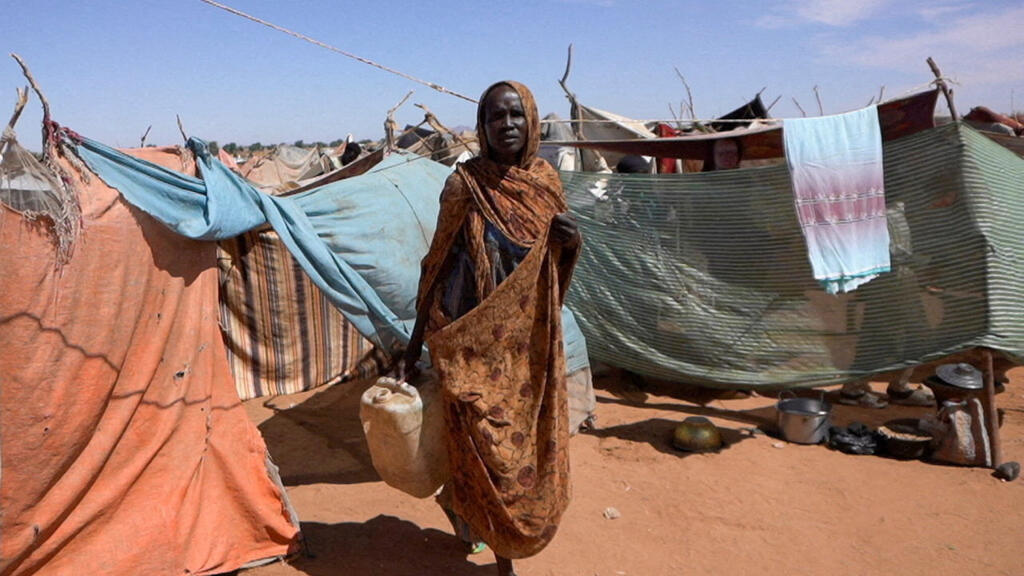
In a tragic escalation of violence in Sudan’s western Darfur region, at least 114 people have been killed over the past week during intense clashes between the Sudanese Armed Forces (SAF) and the paramilitary Rapid Support Forces (RSF). Medical sources reported the devastating toll on Sunday, highlighting the impact of drone strikes and ground assaults on civilian populations in the towns of Al-Zuruq and Kernoi. This latest surge in violence underscores the deepening humanitarian crisis in a country already ravaged by nearly three years of civil war.
According to France 24, the Sudanese military launched drone strikes on the RSF-controlled town of Al-Zuruq on Saturday, resulting in the deaths of 51 civilians. The strikes reportedly targeted areas with significant civilian presence, exacerbating the toll on non-combatants. Meanwhile, RSF assaults on the town of Kernoi claimed 63 lives and left 17 others injured, further compounding the suffering in Darfur—a region historically scarred by conflict and displacement. These attacks are part of a broader pattern of violence that has intensified in recent months, with both sides employing increasingly lethal tactics, including the use of drones as a central weapon in the conflict.
The ongoing war in Sudan, which began on April 15, 2023, pits the SAF, led by General Abdel Fattah al-Burhan, against the RSF, commanded by General Mohamed Hamdan Dagalo, widely known as Hemedti. The conflict emerged from a power struggle within Sudan’s military government following a coup in October 2021. Since its outbreak, the war has displaced nearly 12 million people, both within Sudan and across its borders, creating one of the largest displacement crises in recent history. Darfur, in particular, has been a flashpoint, with civilians often caught in the crossfire between the rival factions.
Posts on X from verified accounts have echoed the severity of the situation, with reports of civilian casualties and infrastructure damage in Darfur. Updates shared on the platform detail the destruction caused by drone strikes in Al-Zuruq, including the targeting of a hospital and a market, while others note the personal toll on families linked to RSF leadership. These accounts, while unverified independently, reflect the widespread concern over the escalating violence and its impact on civilians.
Background: A History of Conflict in Darfur
Darfur has long been a region of immense suffering, with a history of conflict dating back to the early 2000s when ethnic tensions and government-backed militias, including the Janjaweed—precursors to the RSF—unleashed violence against local populations. The current war has reignited these tensions, with both the SAF and RSF accused of targeting civilians and blocking humanitarian aid. The United Nations has repeatedly warned that the conflict is entering a deadlier phase, with drone warfare and regional spillover risks magnifying the crisis. As of late 2025, the UN noted a sharp rise in civilian casualties due to such tactics, a trend that appears to have continued into 2026 with the latest clashes.
The use of drones, as seen in Al-Zuruq, marks a significant shift in the conflict’s dynamics. Both sides have increasingly relied on unmanned aerial systems for targeted strikes and reconnaissance, often hitting civilian infrastructure such as displacement camps, hospitals, and markets. Humanitarian organizations have condemned these actions, stating that they severely hinder relief efforts and exacerbate the already dire conditions for millions of displaced Sudanese.
Outlook: A Deepening Humanitarian Crisis
The latest violence in Darfur is a stark reminder of the urgent need for international intervention to halt the bloodshed and address the humanitarian fallout. With over 100 lives lost in just one week, the toll on civilians continues to mount, while access to basic necessities like food, water, and medical care remains critically limited. The international community, including the UN and regional powers, faces mounting pressure to broker a ceasefire and facilitate aid delivery to those trapped in conflict zones.
As Sudan’s civil war approaches the 1,000-day mark, the prospects for peace remain dim. Analysts warn that without sustained diplomatic efforts and accountability for war crimes, the cycle of violence in Darfur and beyond will persist, further destabilizing the region. For now, the people of Al-Zuruq and Kernoi mourn their losses, while millions across Sudan brace for what may come next in this unrelenting conflict.
Track this story live
Live World Map
Monitor global events in real time with a live activity map and hotspot summaries.
Global Conflict Map
Follow active conflict zones, strike activity, and emerging geopolitical hotspots.
Current Wars
Track all active wars and armed conflicts happening in the world right now.
Iran War
Track the Iran war in real time with proxy network monitoring, Strait of Hormuz risk, and market impact.
Original Sources
- •
Editorial process: This article was synthesized from the original sources cited above using The World Now's AI editorial system, with byline accountability from our editorial team. We grade every story for source grounding, factual coherence, and on-topic match before publication. Read more about our editorial standards and contributors. Spot something inaccurate? Let us know.
Last updated: April 15, 2026






