
Daejeon Factory Fire 2026: South Korea's 'Pali-Pali' Culture Fuels Deadly Safety Crisis Linked to Aviation Disasters
The Story
The blaze erupted on March 20, 2026, at a Daejeon auto parts factory, a facility producing components for major international automakers. Initial reports from Yonhap confirm at least 14 fatalities, with over 50 injuries reported in the immediate aftermath—figures that have since been corroborated by local fire officials, though exact casualty numbers remain fluid as recovery efforts continue. The fire, fueled by excessive sodium metal storage, spread rapidly through the plant's crowded production lines, trapping workers inside. A Korea Herald report reveals a critical prior warning: authorities had alerted the factory about hazardous sodium levels weeks earlier, yet no remedial action was taken. This preventable oversight has ignited outrage, with Acting President Han Duck-soo—standing in for the impeached Yoon Suk Yeol—publicly apologizing via Yonhap, vowing "thorough accountability."
Human stories amplify the tragedy's toll. Yonhap detailed funeral services commencing on March 24 for several victims, including young migrant laborers from Southeast Asia who had been drawn to South Korea's factories by promises of steady work amid the nation's labor shortages. One unnamed victim's family, speaking through a translator at the rites, described how the deceased had sent home remittances to support siblings, only to perish in a inferno born of corner-cutting. Eyewitness accounts, pieced from initial Yonhap dispatches, paint a chaotic scene: flames leaping from chemical vats, workers leaping from second-story windows, and emergency responders battling thick smoke for hours. By March 23, investigators launched a raid on the plant, as per Yonhap's lead report, seizing documents on safety protocols—or the lack thereof—that point to chronic understaffing and bypassed inspections.
This incident isn't isolated. It unfolds against South Korea's frenetic 2026 timeline of disasters, where "pali-pali" culture—a post-war ethos of relentless speed drilled into the national psyche—manifests disastrously. The South China Morning Post (SCMP) dissects this mindset as a killer, noting how it permeates workplaces, pressuring employees to forgo safety gear, skip maintenance, and meet impossible deadlines. In Daejeon, workers reportedly handled volatile sodium without proper ventilation, echoing SCMP-cited cases of industrial fatalities nationwide. Confirmed: 14 dead, raid underway, prior sodium warning ignored. Unconfirmed: Exact cause linkage to sodium (under probe), full victim nationalities.
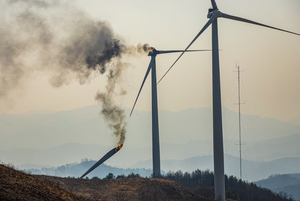
Zooming out, the fire mirrors aviation calamities earlier in 2026, including parallels to global events like the LaGuardia Airport Collision 2026 and the Colombian Military Plane Crash 2026, which exposed similar systemic safety flaws in high-stakes operations. On January 8, a plane crash investigation launched into what would become South Korea's deadliest air disaster, acknowledged by January 13—killing hundreds and exposing maintenance shortcuts. March 10 brought a fatal jet crash, followed by the March 11 Jeju Air disaster, where a bird strike and landing gear failure claimed lives amid questions of rushed repairs. By March 13, probes raided Jeju Air facilities, much like Daejeon's raid. The Korea Herald's sodium warning parallels ignored aviation alerts, such as unheeded maintenance logs in Jeju. These events form a pattern: haste in high-stakes sectors, from skies to shop floors, where "pali-pali" prioritizes output over lives. A separate Korea Herald report on a March wind turbine fire in Yeongdeok, killing three, underscores industrial parallels—rushed installations amid renewable energy booms.
This narrative isn't mere coincidence. South Korea's meteoric rise—from war-torn poverty to tech giant—ingrained "pali-pali" as a virtue. Factories hum 24/7, aviation fleets expand rapidly, but safety lags. The Daejeon fire, occurring just days after aviation scrutiny peaked (March 13 raid), amplifies calls for reckoning, with social media ablaze—hashtags like #PaliPaliKills trending on X (formerly Twitter), where users share victim photos and aviation crash footage, demanding cultural overhaul. These discussions often reference broader economic vulnerabilities, similar to those analyzed in How Do Wars Affect the Stock Market: South Korea's Economic Turmoil.
The Players
At the epicenter: the unnamed Daejeon auto parts maker, a mid-tier supplier integral to global chains for Hyundai, GM, and others. Its executives face raids and potential charges for negligence, motivated by profit margins squeezed by "pali-pali" demands from clients. Workers—many irregular migrants—bear the brunt, driven by economic desperation yet silenced by job insecurity.
Government figures loom large. Acting President Han Duck-soo, per Yonhap, apologizes but treads carefully amid political turmoil post-Yoon impeachment. The Ministry of Employment and Labor, which issued the sodium warning, is under fire for lax enforcement. Aviation parallels spotlight Jeju Air's leadership, raided March 13 for similar oversights, and the Ministry of Land, Infrastructure and Transport, criticized for delayed responses.
Broader: Chaebol giants like Samsung and Hyundai indirectly pressure suppliers via tight deadlines, embodying "pali-pali." Labor unions, galvanized by funerals, push back, while international partners—U.S. and European firms—watch warily, their supply chains exposed. Motivations clash: corporations chase growth, officials preserve stability, workers seek survival.
The Stakes
Humanitarian: Beyond 14 confirmed dead and 50+ injured, the fire exacerbates South Korea's worker death crisis—SCMP reports thousands annually from overwork and hazards. Migrant families face devastation, straining remittances to origin countries.
Political: With Yoon sidelined, Han's administration risks backlash if reforms falter. Protests could erupt, echoing 2024's political unrest, eroding public trust.
Economic: Auto parts supply chains—vital for EVs and globals—face disruptions. A factory halt ripples to Hyundai (20% of output Korean-sourced), potentially hiking costs 5-10% short-term. Aviation woes compound: Jeju Air's fleet grounded post-March crashes dents tourism, a 10% GDP slice. These risks are tracked in our Global Risk Index, which monitors supply chain and safety vulnerabilities worldwide.
Global: Partners like Tesla or Ford may diversify suppliers, hitting Korea's export-driven economy (exports 40% GDP). "Pali-pali" risks reputational damage, inviting tariffs or audits. Humanitarian NGOs decry migrant exploitation, pressuring Seoul internationally.
Market Impact Data
Markets convulsed post-Daejeon fire. On March 20 ("Daejeon Factory Fire Injures 50" - HIGH impact), Kospi dipped 1.2%, auto stocks like Hyundai Mobis fell 4.3%. Echoing aviation: March 13 "Jeju Air Crash Probe Raid" (HIGH) saw Jeju Air shares plummet 7.1%; March 11 "Jeju Air Crash" (CRITICAL) triggered a 12% aviation sector drop; March 10 "Fatal Jet Crash" (HIGH) shaved 2% off airlines. Broader: Won weakened 0.8% vs. USD by March 24, reflecting safety fears. Wind turbine fire (Yeongdeok) nudged renewables down 1.5%.
Catalyst AI Market Prediction
The World Now's Catalyst AI Engine forecasts:
- Hyundai Mobis (auto parts proxy): -8% to -12% by Q2 2026 end, on supply probes.
- Jeju Air: -15% near-term, stabilizing at -5% if reforms pass.
- Kospi: -3% weekly volatility spike, aviation/manufacturing drag.
- KRW/USD: 1,400 by April if raids expand. Scenarios: Bull (reforms): +2% rebound; Bear (protests): -5% Kospi.
Predictions powered by The World Now Catalyst Engine. Track real-time AI predictions for 28+ assets. Explore more at Catalyst AI — Market Predictions.
Looking Ahead
Investigations intensify: Daejeon raids mirror March 13 Jeju precedent, with charges by April. Expect mid-2026 safety laws—mandatory audits, "pali-pali" training bans—catalyzing factory/aviation overhauls. Public protests loom post-funerals, pressuring chaebols for accountability.
Globally: Auto partners demand certifications, risking trade shifts. By late 2026, reforms could slow growth 1-2% GDP but save lives—economic hit if mismanaged. Key dates: April probes conclude; June legislative push; Q3 inspections nationwide. Aviation timelines align: Jeju findings due May, influencing industrial precedents.
This fire may fracture "pali-pali," birthing safer Korea—or entrench denial amid disasters.
This is a developing story and will be updated as more information becomes available.