
Cyprus's Economic Vulnerability: Geopolitical Shifts and Financial Stability Risks
Introduction
Cyprus, strategically positioned in the Eastern Mediterranean, faces growing economic threats from escalating geopolitical tensions, including the 2026 Iran crisis and European military deployments. This deep dive explores how these shifts impact tourism (over 20% of GDP), energy trade, and financial stability, potentially leading to job losses and broader EU instability.
Historical and Current Dynamics
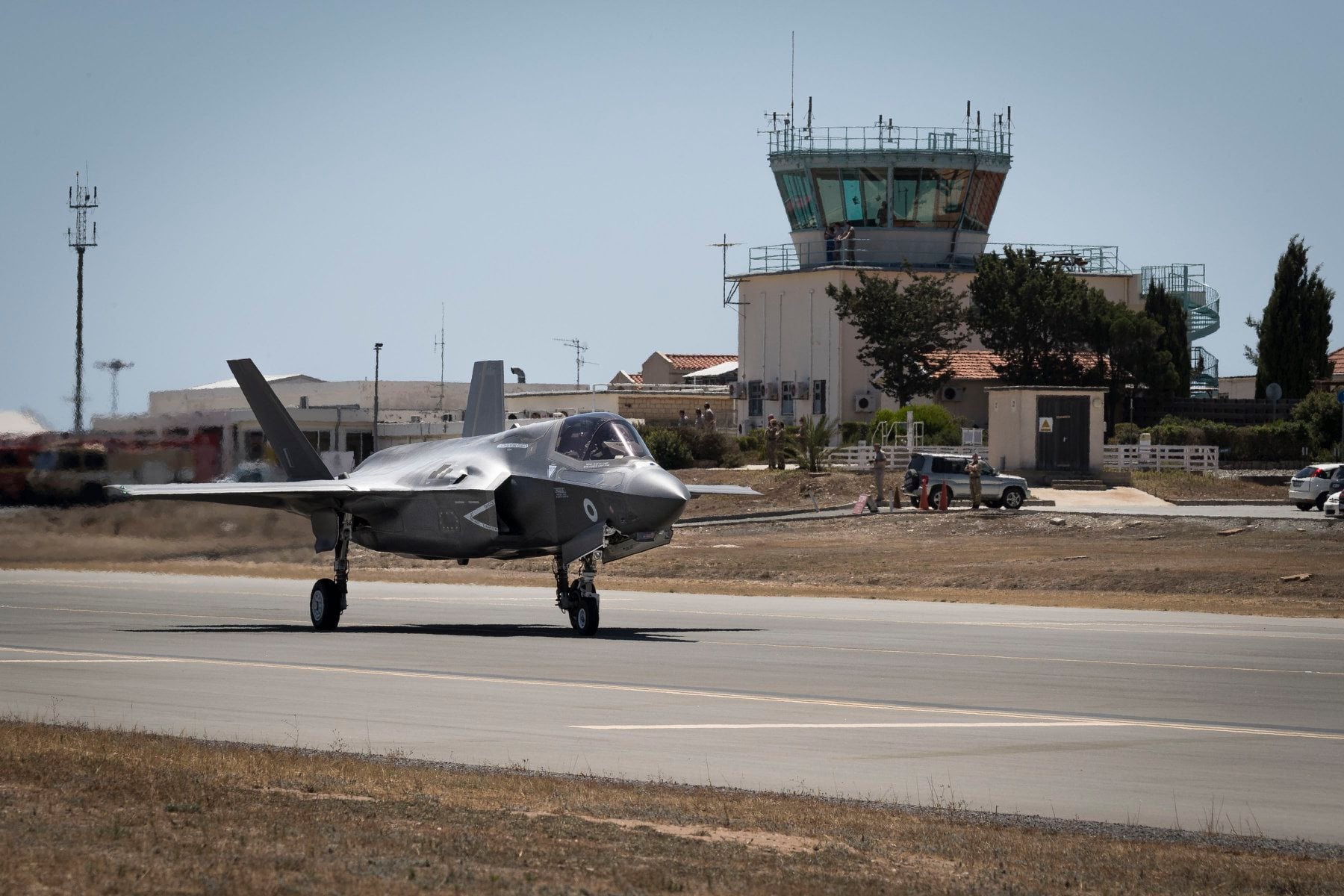
Cyprus's economy has long been shaped by geopolitics, from its 1960 independence and 1974 division to recent Russian influences and EU sanctions. In 2026, events like Cyprus's EU Presidency, Russian disinformation campaigns, and alliances with the US have stalled FDI and tourism, with bookings dropping 5% amid force deployments.
Looking Ahead: Pathways to Resilience
Geopolitical risks could shrink GDP by 2-4% if tensions persist, but opportunities exist through EU alliances and diversification into green energy. Policymakers should establish a Georisk Fund and pursue ASEAN trade deals to mitigate threats and foster long-term stability.
Conclusion
As Cyprus navigates 2026's challenges, addressing economic vulnerabilities is crucial to prevent contagion in European trade networks. Global support for diversification could turn risks into opportunities.
Timeline
- Jan 2, 2026: Cyprus assumes EU Presidency amid global tensions.
- Jan 9, 2026: Targeted by Russian disinformation.
- March 2026: European forces deploy due to Iran crisis.