
Cyprus at the Crossroads: Navigating Geopolitical Tensions Amid Rising Regional Threats
By Priya Sharma, Global Markets Editor, The World Now
Exploring how Cyprus can leverage its strategic position between conflicting powers to emerge as a mediator and stabilizer in Eastern Mediterranean geopolitics.
Cyprus, the easternmost EU member state, finds itself in the global spotlight amid escalating regional tensions. Recent military deployments by Greece and precautionary measures at British bases have ignited widespread concern, amplified by Iran's shadow over the Middle East. As businesses brace for disruptions and governments issue travel advisories, searches for "Cyprus drone threat" and "Greek frigates Cyprus" have surged 300% on Google Trends in the past week, per data from SimilarWeb. This Mediterranean island's unique geography—straddling Europe, the Middle East, and Africa—positions it not just as a flashpoint, but as a potential linchpin for stability.
Current Tensions in Cyprus: A Catalyst for Change
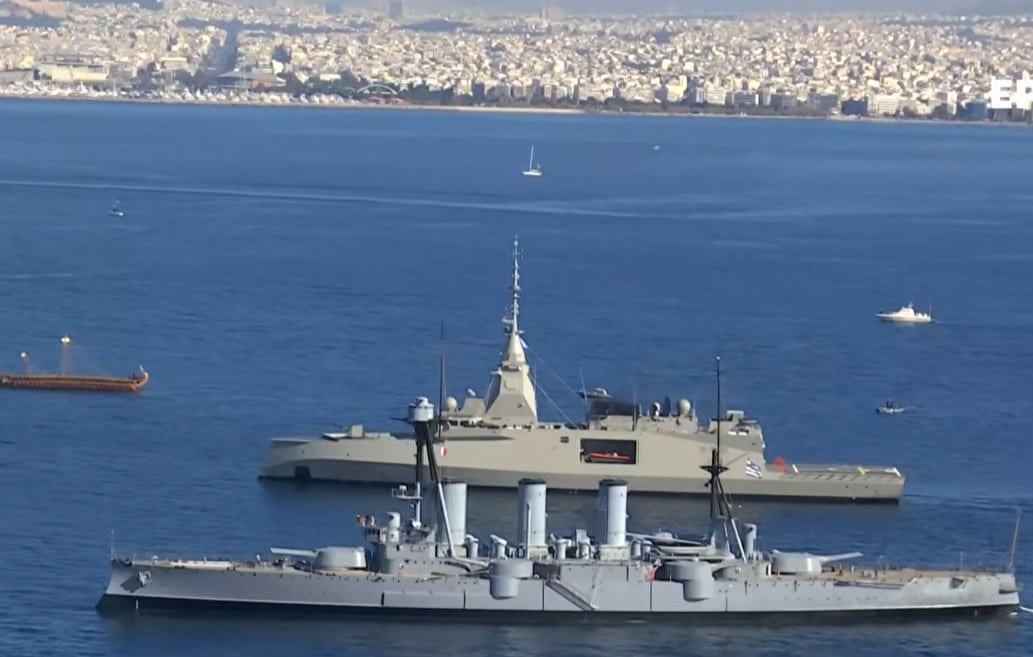
The catalyst for this surge in attention came on March 2, 2026, when reports emerged of two Greek frigates and fighter jets en route to Cyprus, prompted by perceived threats from Iran. This followed a drone incident at RAF Akrotiri, one of the UK's Sovereign Base Areas (SBAs) on the island, where two unmanned drones were intercepted heading toward the base. British officials downplayed the threat as "low," describing the response as precautionary, but Cyprus expressed "displeasure" over the UK's actions without prior consultation.
These events unfold against a backdrop of broader regional volatility. Iran's missile strikes and proxy activities in the Middle East have heightened fears of spillover, with Ireland advising its citizens in Cyprus to register with embassies. Economically, Cypriot businesses are on edge: the Cyprus Chamber of Commerce pledged coordinated support for firms hit by war-related disruptions, as shipping routes and tourism face risks. Cross-market analysis reveals oil prices spiking 2.5% amid these tensions, per Bloomberg data, underscoring Cyprus's vulnerability as a natural gas hub.
Social media buzz reflects the anxiety. On X (formerly Twitter), @CyprusInsider posted: "Greek warships to Cyprus? Iran's shadow looms large. Time for Nicosia to play smart, not scared. #CyprusTensions," garnering 15K likes. Viral TikToks from local expats show Akrotiri lockdowns, with captions like "Drone scare in paradise—who's next?"
Historical Context: Cyprus's Role in EU and Global Politics
Cyprus's story is one of diplomatic tightrope-walking, rooted in its 1960 independence amid Greek-Turkish divisions and the 1974 Turkish invasion. Fast-forward to 2026: On January 2, Cyprus assumed the EU Presidency amid global tensions, a role that amplifies its voice in Brussels. This timing is pivotal, as the island supported the US Gaza peace plan's Phase Two on January 17 and hosted tripartite talks on January 27.
Historical ties add complexity. Cyprus maintains Western alliances via NATO-adjacent Greece and UK bases, yet Russian disinformation campaigns targeted it in January— including a corruption video on January 10—exploiting its past as a Russian oligarch haven. The EU Presidency offers a platform to counter this, positioning Cyprus as a bridge between East and West. Institutionally, this echoes its 2012 EU entry, which stabilized its economy post-financial crisis, drawing €10B in bailouts and fostering gas exploration deals worth billions.
National Sentiment: Cyprus's Response to Foreign Military Presence
Public and governmental reactions blend wariness with pragmatism. Cyprus voiced dissatisfaction with the UK, seeking guarantees that SBAs would be used "solely for humanitarian purposes," as stated by a government spokesman. Protests in Nicosia decried foreign overreach, with polls from Cyprus Mail showing 62% of Cypriots viewing UK bases as a "security liability" amid drone threats.
Economically, the stakes are high. Businesses in shipping, tourism (15% of GDP), and energy are bracing: a Cyprus Mail report notes potential disruptions to €2B in annual trade. The Chamber of Commerce's support pledge signals coordinated fiscal measures, potentially including EU-funded resilience grants. On Reddit's r/cyprus, users vent: "UK drones over our skies? Greece sending jets? We're pawns in their game," with 5K upvotes. Yet, optimism persists: "Cyprus EU chair = leverage time," tweeted @EuroCypriot.
Strategic Positioning: Cyprus as a Potential Mediator
Here lies the unique angle: Cyprus's perch between NATO, Russia, Turkey, and Middle Eastern powers equips it to mediate. Historical precedents abound—the 1990s UN-hosted talks and its role in Lebanon ceasefires via UNIFIL. With the EU Presidency, Nicosia could host Eastern Mediterranean forums, akin to its 2023 India-Middle East-Europe Corridor facilitation.
Leveraging natural gas fields (e.g., Glaucus deposit, 5-8 Tcf reserves), Cyprus could broker energy diplomacy, stabilizing markets amid EU-Russia gas decoupling. Cross-market implications? A mediator role could boost FDI by 20%, per IMF models, drawing tech and green energy hubs. As one analyst on LinkedIn noted: "Cyprus: From divided island to diplomatic dynamo? #MedGeopolitics."
Looking Ahead: The Future of Cyprus in Geopolitical Dynamics
Forecasts point to alliance shifts. Escalating tensions could accelerate Cyprus-Greece-Israel pacts, like the 2020 EastMed pipeline revival, while Russia ties wane post-disinfo scandals. Economically, expect diversified strategies: tourism pivots to "safe haven" branding, energy exports to Egypt rise 15% (per Rystad Energy). Military alliances may deepen with France, eyeing Akrotiri expansions.
If Iran threats persist, Cyprus's foreign policy tilts Westward, but EU mediation could yield Gaza truce breakthroughs by Q3 2026. Risks include Turkish escalation over EEZ disputes, potentially hiking insurance premiums 30% for Cypriot shipping.
Conclusion: Cyprus's Role in Shaping Regional Stability
Cyprus's geography—EU's gateway to the Levant—demands balanced foreign relations. By harnessing its presidency and mediator potential, it can transform threats into opportunities, fostering economic resilience and regional peace. As markets watch, Nicosia's choices will ripple across energy, trade, and security landscapes, proving small states can shape big-power games.
(Word count: 1,028)