
Cyprus Assumes EU Presidency Amid Global Tensions
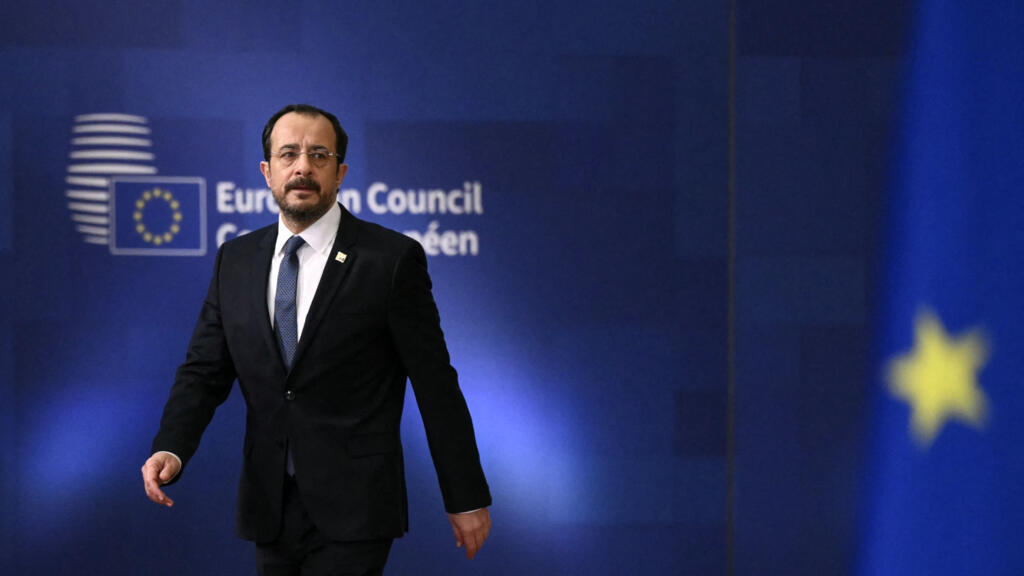
Cyprus officially took over the presidency of the European Council on January 2, 2026, stepping into a leadership role at a time of significant geopolitical challenges, including the ongoing war in Ukraine and shifting global alliances. As a small island nation, Cyprus faces the daunting task of navigating complicated international dynamics while promoting resilience within the European Union.
In an interview with RFI, Fiona Mullen, director of the Nicosia-based think tank Sapientia Economics, highlighted the precarious position of Cyprus as it assumes the presidency. The ongoing war in Ukraine continues to exert pressure on European economies and political unity, complicating the agenda for the next six months. Mullen emphasized that Cyprus's presidency comes at a critical juncture, as the EU grapples with economic headwinds and the need for cohesive action.
Key Challenges Ahead
The war in Ukraine has not only created a humanitarian crisis but has also reshaped international relations, compelling EU member states to reassess their priorities. Cyprus, located in the Eastern Mediterranean, is strategically positioned to act as a bridge between Europe and the Middle East, potentially facilitating discussions and collaborations that could enhance regional stability.
Additionally, Mullen pointed out that the United States is undergoing a shift in its global loyalties, which could impact European security dynamics. The changing political landscape necessitates that Cyprus and other EU leaders adapt their strategies to maintain unity and address emerging threats.
A Focus on Resilience
With these challenges in mind, Cyprus aims to focus its presidency on building resilience within the EU. This includes strengthening economic cooperation among member states and enhancing collective security measures. As part of its agenda, Cyprus is expected to advocate for policies that promote economic stability and foster collaboration on critical issues such as energy security and migration.
Mullen also noted that Cyprus's presidency could serve as an opportunity for the EU to reinforce its commitment to peace and stability in the region. By leveraging its geographical and political position, Cyprus can facilitate dialogues that may lead to diplomatic solutions to ongoing conflicts, including the Israel-Gaza situation and tensions surrounding the Cyprus issue itself.
Background Context
Cyprus's EU presidency is particularly significant given the island's complex history and ongoing division between its Greek and Turkish communities. The island has been a focal point of geopolitical tension, particularly regarding its relationship with Turkey and the broader Eastern Mediterranean dynamics. As Cyprus takes on this leadership role, it has the potential to address not only European issues but also regional conflicts that have far-reaching implications for stability in the Mediterranean.
Conclusion
As Cyprus embarks on its presidency of the European Council, the nation faces a landscape marked by geopolitical volatility and economic uncertainty. The focus on resilience and cooperation will be paramount as the EU seeks to navigate the challenges posed by the Ukraine war and shifting global alliances. Cyprus's ability to lead effectively during this tumultuous period will depend on its capacity to foster unity among member states and address pressing issues that threaten both regional and European stability.