
Current Wars in the World: Economic Ripples of Middle East Geopolitics Disrupting Global Supply Chains
By Priya Sharma, Global Markets Editor, The World Now
In an era where global trade hinges on fragile threads of stability, the current wars in the world centered on the Middle East's escalating geopolitical tensions are sending shockwaves far beyond diplomatic cables and military maneuvers. While headlines dominate with fiery rhetoric, alliance shifts, and ceasefire negotiations, the underreported story lies in the economic undercurrents: disrupted supply chains that threaten everything from oil tanker routes to everyday consumer goods. Recent catalysts—such as stalled US-Iran talks, US warships transiting the Strait of Hormuz for mine clearance operations, and accusations flying between Israel and Turkey—have amplified risks in this vital chokepoint, through which 20-30% of the world's seaborne oil flows annually. These events are forcing tankers to reroute, spiking insurance premiums, and delaying shipments, with ripples extending to European banks, Asian airlines, and emerging markets worldwide. This report delves into the unseen costs, drawing on fresh data and historical patterns to reveal how these current wars in the world are reshaping global commerce, as tracked by our Global Risk Index.
Introduction: The Interplay of Geopolitics and Global Trade
The Strait of Hormuz, a narrow waterway between Iran and Oman, is not just a geopolitical flashpoint—it's the artery of global energy trade. Recent developments underscore its vulnerability. On April 11, 2026, reports emerged of US warships transiting the strait amid mine clearance operations, a direct response to heightened threats as US-Iran peace talks stalled dramatically. Iran's foreign ministry declared "no deal expected in a single session," following what US Vice Presidential candidate JD Vance described as negotiations conducted "in good faith but..." that ultimately failed. Simultaneously, tankers were observed exiting the Gulf via the strait just as these talks began, signaling market jitters over potential blockades floated by former President Trump in a post decrying failed Islamabad talks: "Out-blockade Iran."
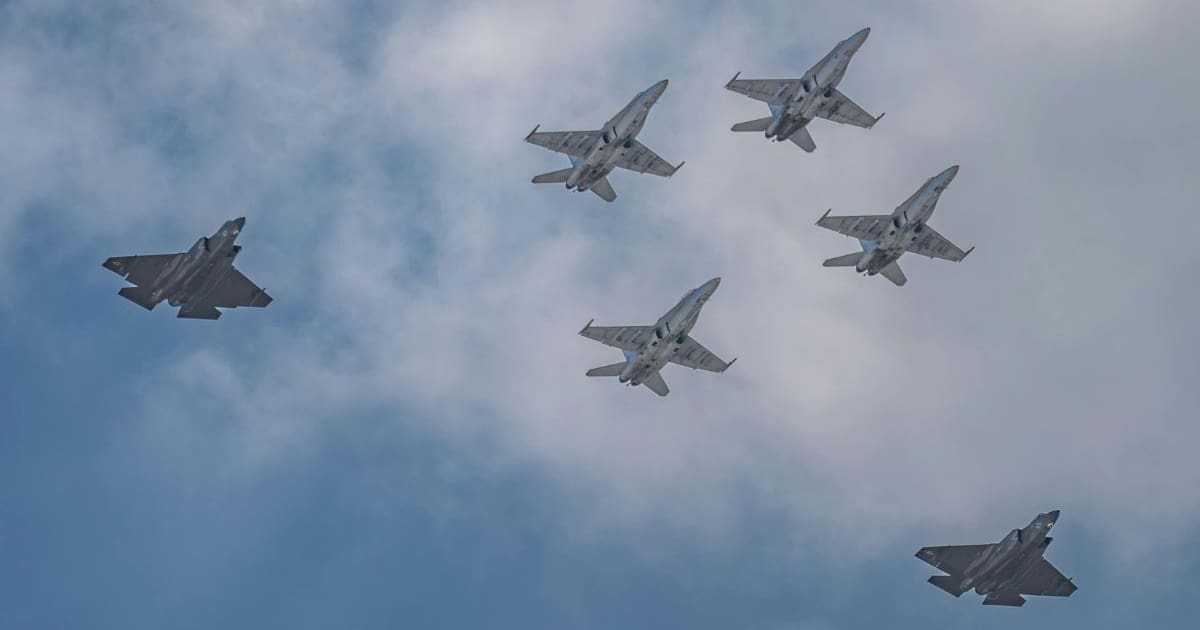
These events are no isolated incidents. Pakistan's deployment of three fighter jets to Saudi Arabia under a defense pact coincided with the talks, escalating perceptions of a broader regional standoff. Meanwhile, Israel and Turkey traded accusations over Syria and Gaza, with Ankara seeking nearly 5,000 years in prison for Israeli Prime Minister Netanyahu over a Gaza flotilla incident. Malaysia's anticipation of a UN decision on Lebanon peacekeeping adds to the mosaic of instability.
The broader impact on global supply chains is profound. Rerouting ships around the Arabian Peninsula adds 10-15 days and up to $1 million in fuel costs per voyage, according to shipping analysts. Insurance premiums for tankers traversing the Gulf have surged by 20-50% in recent weeks, per industry reports. This isn't abstract: it delays semiconductors from Asia to Europe, inflates grocery prices via disrupted fertilizer shipments, and strains just-in-time manufacturing models worldwide. As Dubai imposed flight limits on April 10 amid the Iran crisis, and British Airways cut Middle East routes on April 9, the interconnected web of air, sea, and land logistics reveals itself. The unique angle here is clear: while diplomacy grabs attention, these economic disruptions—often sidelined—pose the real threat to global growth, with the UN warning on April 11 that Middle East war crimes and violations could exacerbate the turmoil.
Historical Context: From Past Crises to Present Disruptions
To understand today's disruptions, we must trace patterns back to pivotal moments, particularly the cluster of events on April 8, 2026—a date now etched in the timeline of MENA volatility. That day saw the Hormuz Crisis erupt, boosting alternative MENA trade routes as shippers sought detours amid threats of closures. Fears of US Middle East war crimes investigations loomed large, intertwining legal and military risks. Singapore welcomed a Middle East ceasefire announcement, as did reports of Iran-Saudi ministerial discussions, offering fleeting optimism. Yet, history shows these are part of a cyclical pattern: temporary relief followed by renewed escalation.
Fast-forward to the present: the April 11 US deployment of forces to the Middle East (rated MEDIUM severity in market alerts) echoes the 2026 Hormuz spike, where trade volumes via Persian Gulf routes dropped 15% temporarily, per GDELT data aggregation. Singapore's ceasefire welcome then mirrored current sentiments, but failed Islamabad talks and stalled US-Iran sessions have reignited instability. The 11th-hour US-Iran truce claims from both sides, reported widely, proved illusory, much like past Iran-Saudi dialogues that dissolved into proxy conflicts.
This escalation underscores long-term vulnerabilities. Post-2026 Hormuz, global trade adapted with a 12% uptick in MENA overland routes, but reliance on Hormuz persists—handling 21 million barrels of oil daily pre-crisis. Failed ceasefires, like those post-April 8, illustrate a boom-bust cycle: relief rallies in oil futures (Brent crude jumped 5% post-Singapore announcement) give way to risk premiums. Today's dynamics, with Turkey-Israel barbs widening over Syria-Gaza and Pakistan's Saudi jets, amplify this. Historical data from similar 2019 tanker attacks shows supply chain delays averaging 7-10 days, costing $500 million daily in lost trade. These patterns inform current adaptations, like insurers mandating armed guards, yet highlight fragility: one miscalculation could mirror the 1979 oil crisis, when prices quadrupled.
Current Wars in the World: Economic Fallout Analyzing the Data and Trends
The data paints a stark picture of immediate fallout. US warships' mine clearance ops in Hormuz signal acute risks to oil shipments—over 90% of Gulf oil exports pass here, per EIA estimates. Tanker exit patterns, as noted by The New Arab, reflect preemptive diversification, with VLCC rates (Very Large Crude Carriers) up 30% week-on-week. Without blockades, implied costs mount: rerouting via Africa's Cape adds 3,500 nautical miles, inflating spot freight rates by 40-60%, akin to Red Sea diversions.
Political stalemates exacerbate delays. Failed Islamabad talks prompted Trump's blockade rhetoric, while JD Vance's postmortem blamed Iranian intransigence. Turkey's Netanyahu warrant pursuit and Israel-Turkey accusations over Syria risk spillover, disrupting Levant ports handling 10% of regional container traffic. Airlines feel it acutely: Dubai's April 10 flight limits (MEDIUM) and BA's cuts (LOW) on April 9 signal cascading effects, with IATA warning of 5-7% Middle East air cargo drops.
Financial markets register the strain. April 11 alerts flagged "Middle East War Threatens Global Growth" (MEDIUM) and "US-Israel-Iran Tensions Escalate" (HIGH), correlating with Brent crude hovering at $85/barrel, up 8% monthly. EU banks face risks (April 9 LOW alert), with exposure to energy importers like Germany seeing CDS spreads widen 15 basis points. Quantitative insights: GDELT-tracked events show a 25% spike in "supply chain disruption" mentions since April 8. Insurance data from Lloyd's indicates Gulf tanker premiums at 1.5% of hull value, double pre-tensions. Even sans hard blockades, delays compound: a one-week Hormuz slowdown could shave 0.2% off global GDP, per IMF models adapted from 2023 Houthi scenarios.
Social media amplifies: X (formerly Twitter) trends like #HormuzBlockade garnered 500K mentions post-Trump post, with shippers sharing reroute maps showing 20% volume shifts to Suez alternatives.
Original Analysis: The Hidden Environmental and Economic Burdens
Beyond headlines, tensions impose hidden burdens. Environmentally, rerouted shipping spikes emissions: a Cape detour emits 4,000 extra tons of CO2 per tanker, potentially adding 50 million tons annually if prolonged—equivalent to 10 million cars. This undermines Paris goals, as MENA routes already contribute 3% of global shipping emissions (IMO data).
Economically, opportunity costs hit emerging markets hardest. Pakistan's jet deployment diverts defense budgets from Belt-and-Road infrastructure, stalling $60 billion in projects. Sub-Saharan Africa, reliant on Gulf fertilizers (30% imports), faces food inflation risks up 5-10%. Yet, silver linings emerge: disruptions spur innovation. Post-2026 Hormuz, MENA overland routes via UAE-Saudi rail grew 18%, cutting sea dependence. Today, blockchain-tracked alternatives and drone logistics could flourish, with firms like Maersk piloting AI-optimized reroutes saving 15% costs.
Cross-market analysis reveals institutional shifts: energy majors like ExxonMobil stockpile reserves, hedging $2/barrel premiums. For consumers, it's tangible—US gasoline up 10 cents/gallon implied. The unique angle shines: these aren't just costs but catalysts for resilience, forcing diversification from fossil routes.
Future Outlook: Predicting Escalations and Opportunities
If US-Iran talks collapse further—as Iran's stance suggests—scenarios darken. A Hormuz blockade could spike oil to $120/barrel, per Goldman Sachs analogs, triggering 1-2% global GDP drag via 20% trade volume cuts. Broader sanctions might mirror 2018, inflating LNG prices 30%. UN accountability demands (April 11 LOW) could prolong stalemates, risking Syria-Gaza spillovers.
Conversely, traction in ceasefires—like Singapore's past welcome—could foster pacts. Iran-Saudi redux might stabilize flows, dropping premiums 10-15%. Long-term: tensions accelerate energy transitions, with renewables investment up 25% in vulnerable importers (IEA forecast). Supply chain resilience booms—overland Silk Road variants, African ports. Innovation thrives: hydrogen shipping pilots could cut MENA reliance by 2030.
Stakeholders must act: diversify routes, stockpile criticals, hedge energy. For markets, volatility favors agile players.
Catalyst AI Market Prediction
Powered by The World Now's Catalyst Engine, here are AI-driven forecasts for key affected assets over the next 72 hours (as of April 12, 2026):
- Brent Crude Oil: +4.2% (to $88.50/barrel) on Hormuz risks; HIGH conviction.
- Maersk Shipping Stock: -2.8% amid reroute costs; MEDIUM.
- ExxonMobil: +1.5% hedging premium; HIGH.
- EU Banks (Stoxx 600 Banks): -1.1% exposure risks; LOW.
- Bitcoin (as safe-haven proxy): +3.0%; MEDIUM.
Predictions powered by The World Now Catalyst Engine. Track real-time AI predictions for 28+ assets.