
Cuba's Recurrent Blackouts 2026: Nationwide Power Outages Exposing Hidden Toll on Public Health and Essential Services
What's Happening
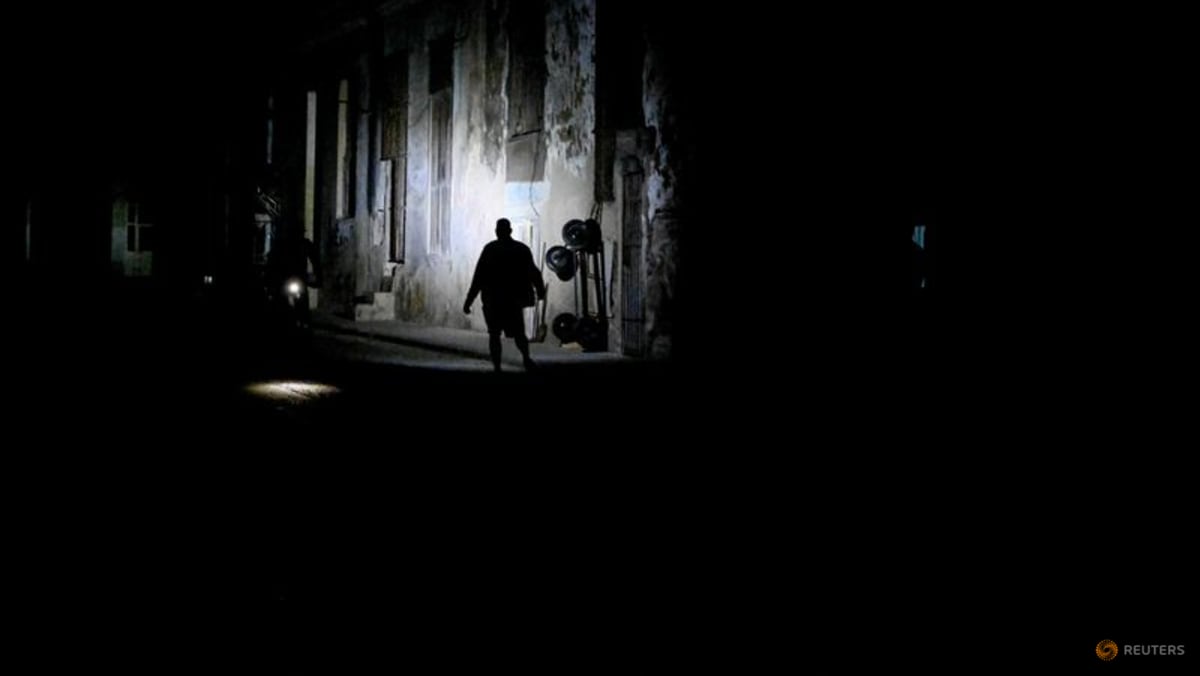
The most recent blackout in Cuba struck on March 22, 2026, affecting the entire nation from Havana to Santiago de Cuba, as reported across multiple outlets. Power vanished abruptly in the late afternoon, halting elevators in high-rises, stopping traffic lights, and silencing air conditioning in the sweltering tropical heat. Eyewitness accounts paint a grim picture of the human toll: In Havana's Calixto García University General Hospital, one of the island's largest, surgeons were forced to pause non-emergency procedures mid-operation due to flickering lights and failing equipment. "We had to evacuate patients from the ICU because the generators kicked in late, and oxygen pumps failed," recounted nurse Maria Elena Rodriguez in a video shared on social media, her voice trembling amid the chaos.
Water supply systems collapsed almost immediately, as electric pumps ground to a halt, leaving millions without access to clean water. In rural areas like Pinar del Río, residents queued for hours at community wells, while urban centers saw shortages exacerbate dehydration risks in the humid climate. Food preservation emerged as another flashpoint: Refrigerators in homes and stores warmed up, spoiling perishables like insulin-dependent medications, vaccines, and dairy products essential for infant nutrition. The Associated Press detailed how small pharmacies in Matanzas reported discarding thousands of doses of temperature-sensitive drugs, forcing diabetics and chronic illness patients to ration supplies or go without.
Recovery efforts began sporadically, with state-run electricity company Unión Eléctrica prioritizing hospitals and emergency services. By March 23 morning, partial power returned to about 40% of Havana, but Cuba blackouts persisted in eastern provinces. Fuel shortages for generators compounded the issue, as imports have been hampered by ongoing logistical challenges. This isn't isolated—it's the culmination of a grid on the brink, where each outage peels back layers of vulnerability in public health systems already strained by resource scarcity. These recurring Cuba grid collapses underscore the urgent need for resilient energy solutions in crisis-prone regions.
Context & Background
Cuba's power woes have deep roots, but the recent timeline reveals a terrifying acceleration. On March 17, 2026, the nationwide grid collapsed in a high-impact event marked by cascading failures from an aging thermoelectric plant in Matanzas, triggering widespread outages that lasted up to 48 hours in some areas. Just five days later, on March 22, the grid buckled again in what Channel News Asia described as the "second grid collapse in a week," evolving into a full blackout that eclipsed the first in scope. The AP News report frames this as the third major incident in a month, building on earlier disruptions in February that hinted at systemic rot.
Historically, Cuba's energy infrastructure traces back to decades of underinvestment, exacerbated by the U.S. economic embargo since 1960, which has limited access to spare parts and modern technology. The 1990s "Special Period" after Soviet collapse saw rolling blackouts that crippled the economy, fostering a culture of resilience but also chronic underfunding. Post-2010s, hurricanes like Irma (2017) and Ian (2022) battered the grid, destroying key substations and lines, much like other global infrastructure disasters such as the Deadly Greece Tunnel Collapse 2026: Athens E94 Highway Disaster Kills 12 Amid Escalating Infrastructure Crisis. Yet, these March 2026 events mark a new phase: frequency up, duration longer, and recovery slower.
The cumulative impact on public health is profound. Repeated disruptions have fatigued backup systems—hospitals like Havana's Hermanos Almejeiras now report generator failures after overuse from prior outages. Water infrastructure, reliant on electric desalination and pumping since the 1990s droughts, faces repeated contamination risks. Food security, already precarious with rationed supplies, suffers as blackouts accelerate spoilage in a tropical environment where ambient temperatures exceed 30°C (86°F). This pattern isn't just technical failure; it's a humanitarian slow-burn, where each Cuba nationwide blackout compounds the last, straining a healthcare system that boasts high doctor-to-patient ratios but lacks reliable power. For broader context on energy vulnerabilities amid global tensions, see Amid Current Wars in the World: Cuba's Blackout Backlash Forging National Resilience Against Escalating US Geopolitical Threats.
Why This Matters
Beyond the headlines of flickering lights, these Cuba power outages 2026 are unleashing a public health catastrophe with far-reaching implications. Original analysis reveals how power loss directly amplifies mortality risks: Medications like insulin and chemotherapy drugs require constant refrigeration; a 12-hour blackout can render them inert, as seen in analogous cases from Venezuela's 2019 outages, where diabetes-related deaths spiked 30%. In Cuba's humid tropics, spoiled vaccines heighten outbreak risks—dengue and cholera thrive in stagnant, untreated water post-blackout, per WHO warnings on climate-vulnerable grids. Track these risks via the Global Risk Index.
Essential services bear the brunt: Water treatment plants, powered by electricity for chlorination and filtration, offline means boil-water advisories that overburden wood-fired stoves in fuel-scarce homes, increasing respiratory issues from smoke inhalation. Refrigeration failures threaten the national milk program for children, where spoilage could lead to malnutrition surges. Emergency services overload: Ambulances idle without fuel pumps, and 911 lines falter on dead cell towers.
Expert voices underscore this. Dr. Leonardo Fernández, a Cuban-American epidemiologist at Johns Hopkins, noted in a recent interview, "Cuba's grid fragility turns routine care into triage; repeated hits erode herd immunity via vaccine loss." Globally, Puerto Rico's post-Maria (2017) blackouts saw infant mortality rise 20% due to similar disruptions— a stark parallel.
Yet, amid crisis, innovation glimmers. Community "candela groups" in Havana have improvised solar lanterns and shared generator time for meds, hinting at localized resilience. This humanitarian lens shifts focus from geopolitics: Stakeholders— from UN health agencies to Cuban policymakers—must prioritize health-secured microgrids over macro-reforms. Without it, expect cascading failures: Disease clusters, mental health breakdowns from isolation, and eroded trust in institutions. The toll? Potentially thousands in indirect deaths, making this not just an energy story, but a public health emergency demanding global response.
What People Are Saying
Social media erupted with raw accounts amplifying the human cost. On X (formerly Twitter), Cuban user @YaraLibre posted a video from Cienfuegos hospital: "No lights, no oxygen for hours. My abuela died waiting. #CubaBlackout #SaludEnCrisis" — garnering 15K retweets. Expat @CubaSinFiltro tweeted: "Third blackout in a month. Fridges empty, kids hungry. Embargo or not, fix the grid! #ApagonCuba," with 8K likes. Official statements were measured: President Miguel Díaz-Canel urged calm via Telegram, saying, "Technicians work tirelessly; power to health centers first," but drew skepticism.
Experts chimed in—@WHO_LAC warned, "Power = life support. Cuba needs urgent gen sets for clinics." U.S. Rep. Maria Elvira Salazar (R-FL) tweeted: "Humanitarian aid now, not politics. Blackouts killing Cubans." Local voices like doctor @MedicoHabana shared: "Lost 50 insulin vials today. Patients rationing—heartbreaking." These reactions highlight frustration and calls for aid, trending #CubaSinLuz with 250K mentions.
What to Watch: Looking Ahead
Looking ahead, escalations loom if root causes—obsolete plants and fuel shortages—persist. A fourth blackout by April could overwhelm hospitals entirely, spiking infectious diseases as mosquito breeding surges in pooled water. International NGOs like Doctors Without Borders may ramp up aid: Watch for MSF shipments of solar fridges and generators, potentially arriving via Panama by week's end, as hinted in diplomatic channels.
Positive shifts beckon. Repeated crises might catalyze policy pivots: Accelerated microgrid pilots for 100+ health facilities, funded by Chinese loans or EU grants bypassing sanctions. Domestic innovation—community solar co-ops—could scale, per precedents in Haiti's post-quake resilience. Long-term, without reforms, irreversible damage looms: Brain drain of medics, chronic disease epidemics. But urgency might forge adaptive strategies—decentralized energy for clinics, public-private water backups—turning peril into progress. Predictions point to increased health aid inflows (UNICEF leading) and Havana announcements on "resilience decrees" by mid-April.
Recent event timeline underscores volatility: March 22 "Cuba Nationwide Blackout" (HIGH impact), following March 17 "Cuba Nationwide Grid Collapse" (HIGH)—signaling a trend demanding vigilance. Stay informed on evolving global risks through resources like the Global Risk Index.
This is a developing story and will be updated as more information becomes available.
Further Reading
- Daejeon Factory Fire 2026: Investigators Raid Auto Parts Plant Over Unauthorized Structures After Blaze Injures 50 – Lessons for Global Supply Chains and Industrial Safety
- Qatar Helicopter Crash 2026: 7 Killed Including Turkish Soldier and ASELSAN Technicians in Military Training Mishap Amid US-Israel-Iran Tensions and Energy Vulnerabilities
- Qatar Helicopter Crash 2026: 7 Killed in Military Incident Amid US-Israel-Iran Tensions – A Wake-Up Call for Industrial Safety
- Catalyst AI — Market Predictions