
Conflict Ukraine: Attacks on Draft Officers Nearly Triple Amid War Fatigue
In the ongoing conflict Ukraine, the UN Deputy Relief Chief has urged the Security Council to act decisively to protect the country's people as attacks intensify, underscoring a worsening humanitarian situation amid the protracted hostilities.[3] This call comes alongside reports of surging assaults on military draft officers, Russian battlefield losses, frontline clashes in Donetsk Oblast, and Ukraine's ramped-up production of advanced weaponry, painting a picture of a multifaceted crisis deepening on multiple fronts.[1][2][4][5]
Overview of Escalating Attacks and Humanitarian Concerns
The humanitarian landscape in Ukraine is deteriorating rapidly, with intensified attacks prompting urgent appeals from United Nations officials. Joyce Msuya, the UN Assistant Secretary-General for Humanitarian Affairs and Deputy Relief Chief, delivered a statement to the Security Council on April 20, 2026, emphasizing the need for immediate action to safeguard civilians caught in the escalating violence.[3] Her address highlighted the intensifying attacks across the country, which are exacerbating an already dire humanitarian situation characterized by widespread displacement, infrastructure damage, and restricted access to basic services.
This overview aligns with broader patterns of violence, including a sharp rise in assaults targeting military draft officers, which have nearly tripled in frequency.[1] Such incidents reflect not only the physical toll of the conflict but also the mounting pressures on Ukrainian society. The UN's focus on protection underscores the vulnerability of non-combatants, as aid organizations like OCHA continue efforts to deliver assistance, such as in regions like Kherson.[3] Msuya's plea to the Security Council represents a structured international response mechanism, calling for measures to mitigate the humanitarian impact.
In contextualizing these developments, the surge in attacks points to a confluence of military and societal strains. The Deputy Relief Chief's statement positions the Security Council as a pivotal body for enforcement, potentially through resolutions or monitoring mandates, though specifics remain tied to ongoing deliberations.[3] Meanwhile, the integration of draft officer attacks into this narrative illustrates how internal security challenges amplify the overall crisis.[1] This escalation demands coordinated international action to address both immediate relief needs and longer-term stability, as the conflict's ripples extend beyond battlefields to civilian life. The purpose here is clear: to rally global attention to the human cost, urging protective measures that could alleviate suffering in affected areas.
These concerns are not isolated; they intersect with military dynamics, where intensified Russian operations correlate with heightened humanitarian risks.[3] Reports from OCHA emphasize the role of such appeals in mobilizing resources, yet the persistence of attacks indicates gaps in implementation. As the conflict Ukraine evolves, the UN's advocacy serves as a barometer for global engagement, pressing for accountability amid unrelenting hostilities.[1][3]
Russian Military Losses in Recent Engagements

A Ukrainian ground drone operates in the Donetsk Oblast conflict. — Source: asiatimes
Ukraine's General Staff has reported significant Russian casualties and equipment losses over the past day, offering a snapshot of the intense toll the conflict is exacting on invading forces.[2] Specifically, Russia suffered 1,040 soldiers killed and wounded, alongside the destruction or disablement of 82 artillery systems.[2] These figures, updated regularly by Ukrainian military sources, provide critical insight into the attrition rate facing Russian troops in their push across various fronts.
The loss of 82 artillery systems is particularly noteworthy, as these weapons form the backbone of Russian fire support operations, enabling suppression of Ukrainian positions and facilitation of infantry advances.[2] Artillery has been a cornerstone of Russian tactics since the early phases of the invasion, with high volumes of shelling aimed at overwhelming defenders. The reported daily elimination of such a substantial number suggests effective Ukrainian counter-battery fire, drone strikes, or precision engagements disrupting this capability.
Casualty numbers further illuminate the human cost: 1,040 personnel affected in 24 hours represents a sustained operational tempo that strains Russian logistics and manpower reserves.[2] Ukraine's General Staff compiles these estimates through battlefield intelligence, including intercepts, drone footage, and post-engagement assessments, lending them operational credibility within the context of information warfare. This daily ledger contributes to a cumulative picture of degradation, where equipment losses compound personnel shortages, potentially slowing momentum in key sectors.
Analyzing these reports, the pattern indicates a grinding war of attrition favoring defensive strategies. Russian forces, despite numerical advantages in some areas, face challenges in sustaining offensives when artillery dominance wanes.[2] For Ukraine, inflicting such losses bolsters morale and deters further escalations, while underscoring the efficacy of integrated defenses. These engagements are part of broader daily updates, reflecting real-time battlefield dynamics where each system's loss diminishes Russian firepower projection.
The implications extend to strategic planning: persistent high losses could force reallocations from other theaters, exposing vulnerabilities elsewhere.[2] Ukraine's reporting mechanism ensures transparency, allowing allies to gauge progress and adjust support. In the wider conflict Ukraine, these metrics highlight the price of advances, with artillery depletion signaling potential shifts in tactical postures.
Frontline Developments in Donetsk Oblast
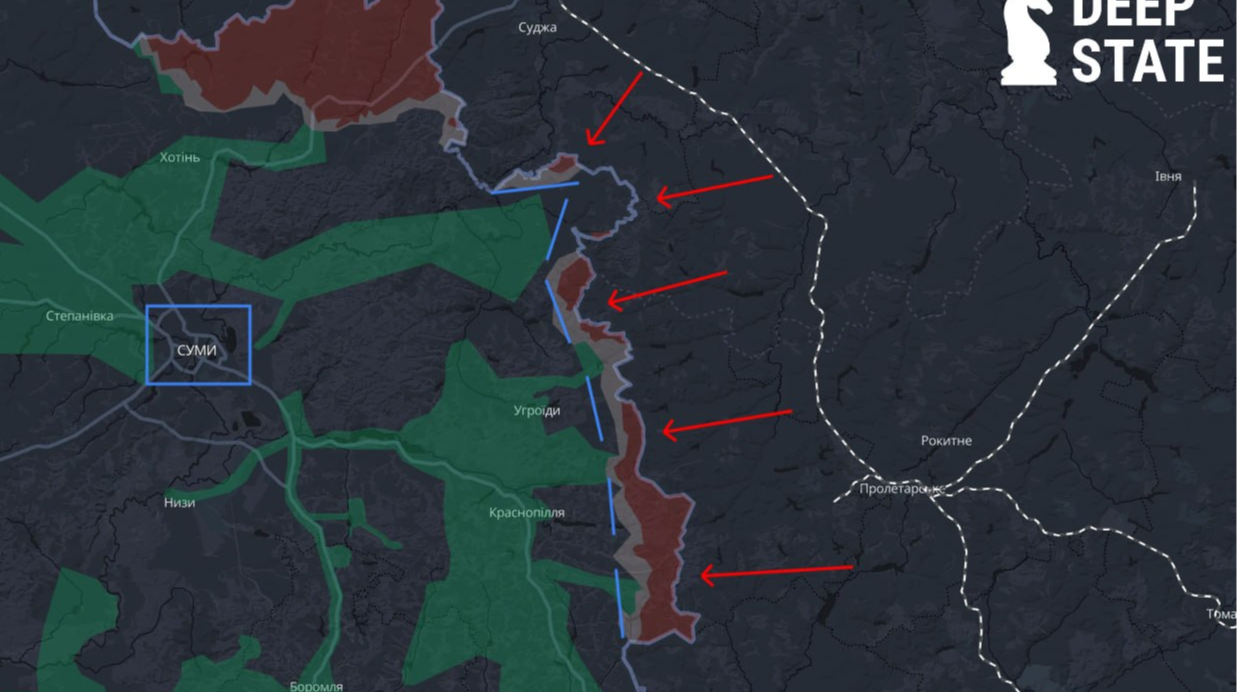
Russian forces have ramped up pressure in the Pokrovsk agglomeration, specifically targeting Hryshyne in Donetsk Oblast, as they seek to establish entrenched positions.[4] Assaults are concentrated in the settlement's center and northern areas, where Moscow's troops aim to consolidate gains amid ongoing offensives. However, Ukrainian defense forces are actively countering these moves, thwarting entrenchment efforts and delivering strikes against Russian troop clusters.[4]
Hryshyne's strategic location within the Pokrovsk area makes it a focal point for Russian advances, as control here could facilitate pushes toward larger logistical hubs. The increased pressure manifests in repeated assaults, with Russian units attempting to dig in to withstand Ukrainian counterattacks.[4] Ukrainian responses have been resolute, involving artillery, drones, and infantry maneuvers to disrupt concentrations and prevent foothold establishment.
This dynamic exemplifies the contested nature of Donetsk frontlines, where small settlements become pivotal in the broader contest for oblast dominance.[4] Ukrainian forces' success in striking clusters—likely through observed fire or loitering munitions—prevents Russians from massing effectively, maintaining defensive lines. The thwarting of entrenchment preserves mobility for defenders, avoiding static warfare pitfalls.
Contextually, Pokrovsk's agglomeration represents a high-priority axis for Russia, linking to supply routes and industrial zones. Yet, Ukrainian resilience here mirrors patterns across Donetsk, where incremental Russian gains are met with proportional pushback.[4] These clashes involve close-quarters fighting, with entrenchment attempts signaling intent for prolonged occupation rather than rapid breakthroughs.
The operational tempo in Hryshyne underscores the war's evolution toward positional battles, where holding ground requires overcoming fortified defenses.[4] Ukrainian strikes on clusters exploit Russian exposure during assaults, inflicting casualties and sowing disarray. This back-and-forth defines frontline stability, with neither side achieving decisive shifts in recent reporting.
In the conflict Ukraine, such developments in Donetsk Oblast highlight the grinding progress of the war, where local successes influence regional momentum.[4]
Ukraine's Defensive Innovations and Strategies
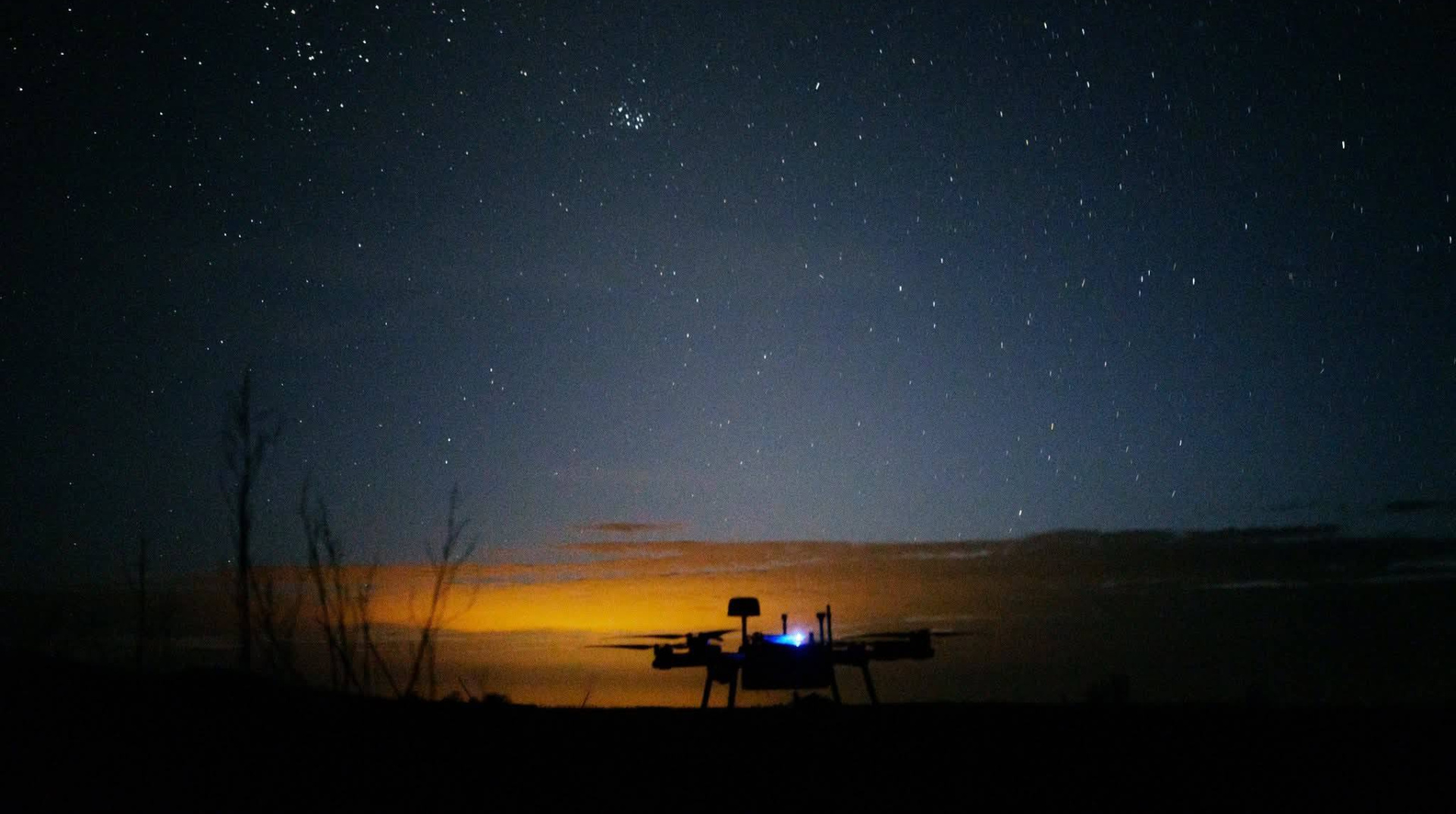
Russian forces lost 1,050 soldiers and 72 artillery systems in the past day. — Source: ukrainskapravda
Ukraine's defense industry is demonstrating substantial innovation, producing millions of drones, long-range missiles, and robotic systems to counter Russian superiority.[5] This technological surge enables deep strikes behind enemy lines, preserving Ukrainian soldiers' lives while challenging a numerically larger adversary.[5]
The scale of production—millions of units—marks a paradigm shift, transforming Ukraine into a hub of wartime manufacturing.[5] Drones, in particular, serve multiple roles: reconnaissance, kamikaze attacks, and artillery correction, allowing cost-effective negation of expensive Russian assets. Long-range missiles extend reach, targeting command posts, ammunition depots, and airfields far from the line of contact.
Robotic systems further enhance this arsenal, deploying ground-based unmanned vehicles for logistics, mine clearance, and direct assaults, reducing human exposure.[5] This integration creates a layered defense, where precision fire from these platforms disrupts Russian juggernauts before they coalesce.
Ukraine's approach showcases resilience, defying conventional expectations against a larger foe.[5] By striking deep, forces interdict supplies, eroding sustainment and forcing reactive postures. Preservation of soldiers through technology addresses manpower constraints, optimizing limited resources.
This model redefines national resistance, blending domestic production with adaptive tactics.[5] Drones' proliferation overwhelms air defenses, while missiles provide standoff capability. Robotics heralds remote warfare, minimizing casualties in high-threat zones.
Strategically, these innovations shift asymmetry: Russia's mass yields to Ukraine's precision.[5] Deep strikes compel dispersion, complicating offensives. The "remarkable resilience" stems from rapid iteration, with field feedback refining designs.
In practice, this counters advances like those in Donetsk, where drones spot and hit clusters.[5] Long-range systems threaten rear areas, deterring reinforcements. Overall, Ukraine's strategy leverages technology for endurance, turning defense into proactive denial.
Broader Implications of War Fatigue
The rise in attacks on Ukraine's military draft officers signals profound internal challenges stemming from prolonged conflict.[1] With assaults nearly tripling to 341 last year compared to 2024 levels, and over 100 already recorded this year, these incidents underscore deepening war fatigue among the population.[1]
War fatigue manifests in resistance to mobilization efforts, as citizens grapple with extended service demands and economic hardships.[1] Draft officers, responsible for recruitment, face heightened risks, reflecting societal strain after years of hostilities. This surge—from prior baselines to triple the volume—indicates erosion of public resolve, complicating Ukraine's ability to maintain force levels.
Implications ripple across military readiness: disrupted recruitment hampers rotations, exacerbating exhaustion on frontlines.[1] Over 100 attacks this year alone project a trajectory surpassing previous records, pressuring command structures to adapt enforcement amid backlash.
Contextually, this fatigue intertwines with humanitarian woes, as prolonged war amplifies civilian burdens.[1][3] Internal discord challenges unity, vital for asymmetric defense against Russia. Yet, it also spurs innovations like drones to reduce manpower needs.[5]
Addressing fatigue requires balancing coercion with incentives, though sources highlight persistence.[1] In the conflict Ukraine, these attacks symbolize the homefront's breaking point, where battlefield gains risk domestic unraveling.
Rise in Attacks on Draft Officers in Conflict Ukraine
Assaults on military recruiters in Ukraine have soared dramatically, almost tripling to 341 last year from 2024 figures, with more than 100 incidents logged so far this year.[1] This escalation directly indicates deepening war fatigue, as the prolonged conflict Ukraine wears on societal cohesion.
The jump to 341 attacks last year represents a stark metric of discontent, targeting those enforcing conscription.[1] This year's over 100 cases suggest acceleration, potentially linked to intensified mobilization drives amid frontline pressures. Such violence disrupts operations, instilling fear among recruiters and slowing enlistments.
War fatigue's roots lie in cumulative losses, displacement, and economic tolls, fostering resentment toward draft processes.[1] Incidents range from verbal confrontations to physical assaults, eroding the recruitment apparatus critical for sustaining defenses.
In the broader conflict Ukraine, this phenomenon parallels Russian losses and Ukrainian innovations, straining all aspects.[1][2][5] It poses risks to morale, where public backlash could undermine strategic goals. Mitigation efforts, though un detailed, face uphill battles against fatigue's momentum.
These attacks contextualize humanitarian appeals, as internal fractures amplify external threats.[1][3]
What to watch next: Monitor Security Council responses to the UN's urgent call for protection amid intensifying attacks,[3] daily Russian losses reported by Ukraine's General Staff,[2] Ukrainian efforts to hold Hryshyne against entrenchment attempts,[4] and the trajectory of drone and missile production to sustain defenses,[5] alongside further indicators of war fatigue through draft officer incidents.[1]