Conflict Lebanon escalates after Israel seizes Beaufort Castle
Israel has seized Lebanon’s Beaufort Castle in southern Lebanon as part of its offensive against Hezbollah. This development has contributed to the escalation in conflict lebanon, with Israeli forces hoisting their flag over the medieval fortress despite an ongoing ceasefire that has been repeatedly breached. Israel issued evacuation warnings for parts of Beirut’s southern suburbs ahead of planned airstrikes while Hezbollah intensified rocket and drone attacks. The UN expressed being deeply alarmed by the escalation and called on all actors to respect the ceasefire. The castle seizure marks a return to a site Israel held during its 1982-2000 presence in southern Lebanon.
Israeli forces seize Beaufort Castle
Israeli forces have seized Lebanon’s Beaufort Castle, a medieval fortress overlooking the country’s south, as part of an expanded offensive against Hezbollah. The takeover, announced on Sunday, marks a significant escalation in the conflict and comes despite an ongoing ceasefire between Israel and Lebanon that has been repeatedly breached [4]. Reports indicate that troops entered the site on Saturday and raised the Israeli flag, underscoring the strategic value of the elevated position in the broader campaign. This action aligns with Israel’s stated goals of countering Hezbollah positions in the region. The seizure represents a direct assertion of control over terrain that overlooks key areas in southern Lebanon. Observers note that such moves heighten tensions because they occur against the backdrop of fragile truce arrangements. The announcement drew immediate attention because it demonstrated ongoing military operations even as diplomatic efforts seek to stabilize the situation. In the context of conflict lebanon, this event illustrates how territorial gains can shift the dynamics on the ground rapidly. Further details from the field confirm that the operation was integrated into wider advances against Hezbollah infrastructure. The flag-raising served as a visible symbol of the capture, reinforcing the message of military progress to both domestic and international audiences. Analysts tracking the offensive emphasize that control of such high-ground locations provides tactical advantages in monitoring and responding to militant activity. The event fits into a pattern where incremental territorial changes accumulate during periods of active engagement.
Threats of strikes on Beirut and Hezbollah response
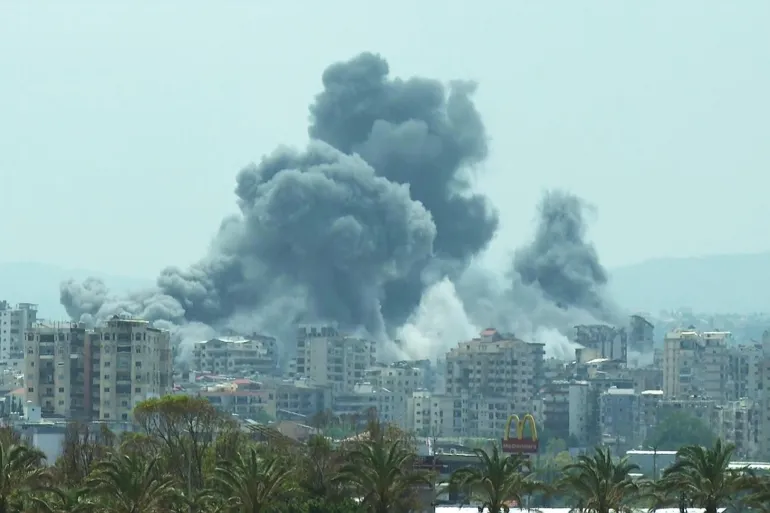
Tensions escalated sharply along the Lebanese-Israeli frontier after the Israeli military issued evacuation warnings for parts of Beirut’s southern suburbs ahead of planned airstrikes [2]. At the same time, Hezbollah intensified rocket and drone attacks against Israeli forces in southern Lebanon, heightening fears of a broader regional confrontation. Israeli Prime Minister Benjamin Netanyahu and Defence Minister statements accompanied the warnings, signaling intent to target specific areas if threats persisted. Hezbollah’s response involved sustained barrages that tested the limits of existing de-escalation measures. These parallel developments created a cycle of action and reaction that complicated efforts to maintain calm. The warnings specified zones in Beirut’s southern suburbs, prompting civilian movements and raising concerns about potential civilian impact. Hezbollah’s intensified operations included both rocket fire and drone incursions aimed at Israeli positions. Such exchanges underscore the volatility along the border even when formal agreements are in place. Regional actors, including Iran, issued statements warning against further escalation, adding another layer to the diplomatic backdrop. The combination of Israeli warnings and Hezbollah counteractions illustrates the challenges in containing localized fighting. Military sources described the planned strikes as responses to ongoing threats from militant groups. Hezbollah’s approach focused on maintaining pressure through asymmetric tactics suited to the terrain. This back-and-forth has kept international attention fixed on the frontier.
Israeli forces raise flag over seized Beaufort Castle in southern Lebanon. — Source: dailynewsegypt
Ceasefire violations continue
About that four-week campaign that the Pentagon promised, overnight volleys between Iran and the United States met by many with a shrug, so often has the current ceasefire been violated [1]. Even the deal in the works is mostly to roll over that fragile truce and open more talks, not to permanently settle differences. Ceasefires and their violations the norm, as Israel and Hezbollah continue to trade blows and US-brokered truces for both Lebanon and Gaza go mostly ignored. The pattern shows repeated breaches that undermine confidence in negotiated pauses. Each violation adds to the cumulative strain on the agreement, making restoration of full compliance more difficult. Parties on both sides cite defensive necessities to justify actions that cross the agreed lines. The result is a situation where formal truces exist on paper while active exchanges persist in practice. International monitors have documented multiple instances where the spirit and letter of the ceasefire were disregarded. This ongoing dynamic affects civilian populations near the border who face uncertainty about safety. The violations also influence broader regional calculations by other states involved in related conflicts. Efforts to reinforce the truce through additional talks continue amid these breaches. The frequency of incidents suggests that underlying disputes remain unresolved despite temporary halts in major operations.
UN reaction to the escalation
UN spokesman Dujarric says Israeli strike warnings on Beirut suburbs heighten fear and calls on all actors to respect ceasefire [3]. The organization expressed being deeply alarmed by the escalation and urged restraint from every party involved. Statements from the UN highlighted the risk that further strikes could trigger wider involvement and complicate humanitarian conditions. The call for respect of the ceasefire reflects concern that continued violations could unravel remaining diplomatic progress. UN representatives stressed the need for de-escalation measures to prevent additional civilian hardship. The warnings issued by Israel were noted as particularly concerning because of their potential reach into urban areas. Hezbollah’s intensified attacks were also referenced in the context of overall instability. The UN position emphasizes dialogue as the primary path forward rather than military responses. International bodies continue to monitor developments closely and stand ready to support any renewed compliance efforts. The alarm expressed by the spokesman underscores the fragility of the current arrangement and the urgency of returning to agreed parameters.
Historical context of the castle
The medieval Beaufort Castle’s stone ramparts tower so far above south Lebanon that Israel could hail their capture as a strategic victory, even as it evoked the miseries of a previous occupation [5]. When Israeli forces entered the 900-year-old castle on Saturday, they were returning to a fortress they held throughout their 1982-2000 presence in southern Lebanon. The site’s elevated position has long made it militarily significant, providing vantage points over surrounding valleys and routes. Its history includes multiple changes of control during earlier conflicts in the region. The current seizure revives memories of that earlier period for local populations who associate the location with prolonged military presence. The castle’s architecture, dating back centuries, stands as a reminder of successive layers of regional power struggles. Israeli announcements framed the operation within contemporary security objectives while acknowledging the symbolic weight of the location. Observers point out that revisiting such sites can influence perceptions on both sides of the border. The return to Beaufort Castle therefore carries both tactical and historical dimensions that shape current narratives around the offensive.
What to watch next: Continued exchanges between Israeli forces and Hezbollah, along with any further UN statements urging respect for the ceasefire, remain central as the situation develops.