Conflict in Ukraine: UN Urges Security Council Action as Attacks Intensify
In the escalating conflict Ukraine faces, the UN Deputy Relief Chief has called on the Security Council to take immediate action to safeguard civilians as attacks across the country intensify.[3] This plea comes amid stark indicators of strain on multiple fronts, including a sharp rise in assaults on military recruiters, which nearly tripled to 341 last year compared to 2024, with over 100 incidents already recorded this year.[1] On the battlefield, Ukraine's General Staff reports that Russia suffered 1,040 soldiers killed and wounded over the past day, alongside the loss of 82 artillery systems.[2] Meanwhile, UN agencies continue to deliver essential aid in vulnerable regions such as Kherson, navigating the heightened risks posed by the ongoing violence.[3] These developments underscore the multifaceted pressures bearing down on Ukraine, from internal mobilization challenges to sustained military engagements and humanitarian needs.
The convergence of these factors highlights the deepening complexities of the conflict Ukraine endures. War fatigue appears evident in the surge of attacks on draft officers, signaling public resistance to prolonged conscription efforts.[1] Russian forces continue to incur significant daily casualties and equipment attrition, as documented by Ukrainian military assessments.[2] The UN's urgent appeal emphasizes the imperative for international intervention to protect non-combatants, while aid operations persist despite the dangers.[3] As these elements interact, the situation demands close attention to both immediate battlefield updates and longer-term societal impacts.
Overview of Recent Attacks on Draft Officers
The marked increase in assaults on military recruiters in Ukraine serves as a clear barometer of growing war fatigue among the population.[1] According to reports, these incidents almost tripled to 341 last year when compared with 2024, reflecting a dramatic escalation in public discontent with mobilization efforts.[1] This figure alone—341 assaults—represents a substantial jump from the previous year's levels, implying that 2024 saw roughly 113 to 114 such attacks, given the "almost tripled" description.[1] Such a surge points to widespread exhaustion after years of conflict, where ordinary citizens increasingly view draft officers as symbols of an unending war.
This trend has not abated in the current year. More than 100 assaults have already been logged so far this year, putting Ukraine on track potentially to exceed last year's total if the pace holds.[1] These attacks, ranging from verbal confrontations to physical violence, target recruiters who are responsible for enforcing conscription amid ongoing manpower shortages. The Japan Times report frames this as "attacks on Ukraine draft officers soar as war fatigue deepens," directly linking the violence to societal strain.[1] In a nation enduring prolonged invasion, such internal resistance complicates military planning, as recruiters face heightened personal risks while attempting to bolster troop numbers.
Contextually, this phenomenon illustrates how extended conflict erodes domestic support. Recruiters, often operating in communities scarred by loss and displacement, encounter opposition that manifests in these assaults.[1] The near-tripling from 2024 to last year's 341 incidents suggests a tipping point, where cumulative hardships—economic pressures, family separations, and battlefield uncertainties—fuel backlash.[1] Over 100 cases this year alone indicate acceleration, not reversal, potentially straining Ukraine's ability to sustain its defense posture. This internal dynamic adds another layer to the conflict Ukraine navigates, intertwining frontline struggles with homefront tensions.[1]
Russian Military Losses in the Conflict
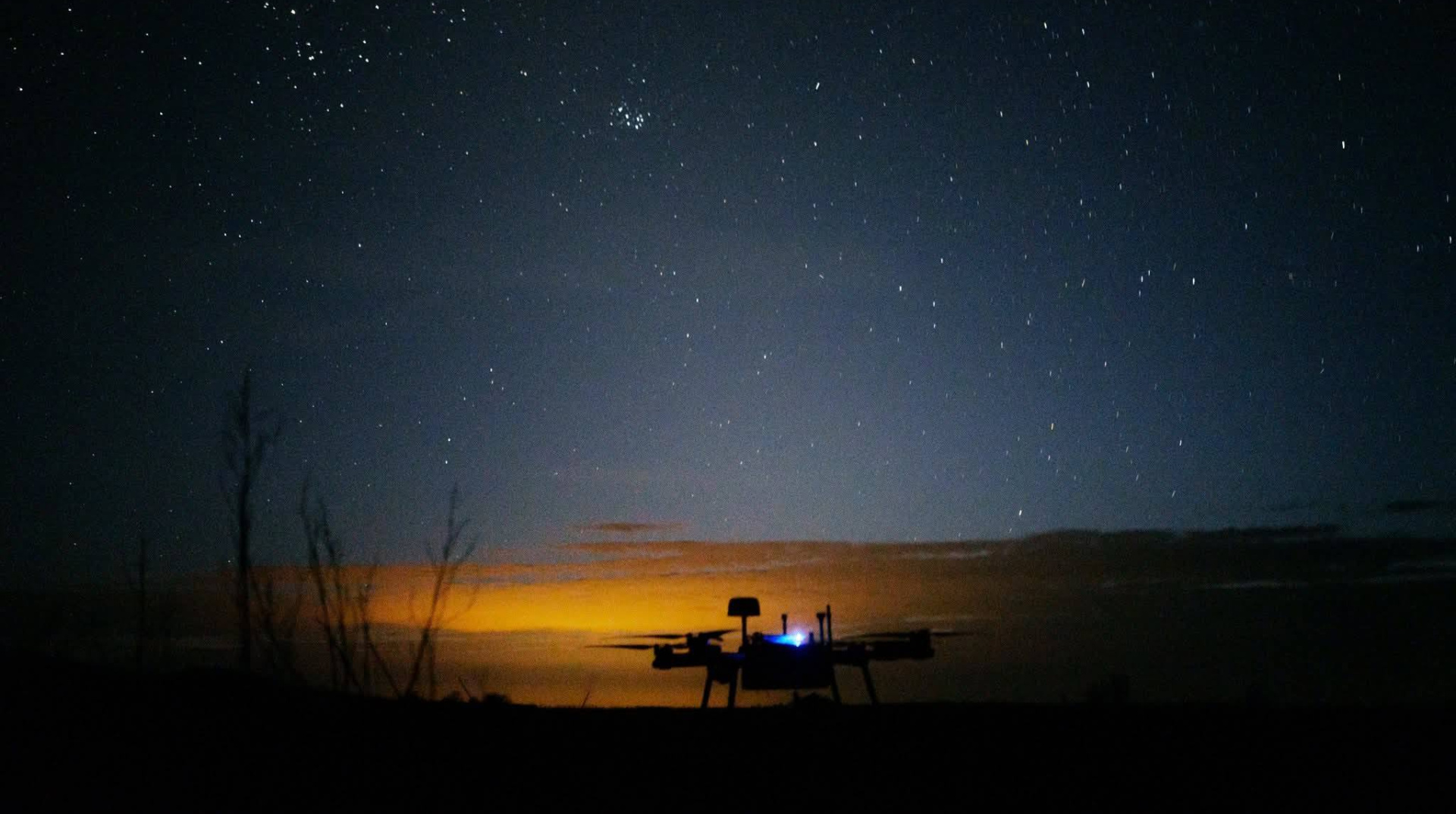
Russian forces lost 1,040 soldiers and 82 artillery systems in one day. — Source: ukrainskapravda
Ukraine's General Staff has provided the latest assessment of Russian military setbacks, reporting 1,040 soldiers killed and wounded over the past day.[2] This daily toll underscores the intensity of ongoing engagements, where Russian forces continue to absorb heavy personnel losses.[2] The figure of 1,040 represents not just numerical attrition but a sustained rate that impacts operational effectiveness, as units must continually replace fallen or injured troops.[2]
Compounding these human costs, Russia also lost 82 artillery systems over the same 24-hour period.[2] Artillery remains a cornerstone of modern warfare, particularly in the positional battles characterizing much of the conflict Ukraine. Losing 82 such systems in a single day signifies substantial degradation of fire support capabilities, potentially hampering advances or defensive positions.[2] Ukrainska Pravda's coverage details this as part of updated data from Ukraine's General Staff, emphasizing the precision of these tallies derived from intelligence and battlefield observations.[2]
These losses fit into a pattern of daily reporting that tracks Russian degradation. The 1,040 casualties mark a high-intensity day, reflecting aggressive Ukrainian countermeasures or Russian tactical overextensions.[2] Similarly, the 82 artillery pieces lost—likely including howitzers, rocket systems, and self-propelled guns—diminish Russia's ability to maintain suppressive fire, a key advantage in prior phases of the invasion.[2] In the broader context, such equipment attrition forces logistical strains, as replacements must be drawn from stockpiles or production lines already under pressure.[2] This data from Ukraine's military provides a window into the grinding nature of the fighting, where each day's losses chip away at aggressor capabilities.
UN Calls for Protection and Humanitarian Efforts
UN Deputy Relief Chief Joyce Msuya, Assistant Secretary-General for Humanitarian Affairs and Deputy Emergency Relief Coordinator, delivered a stark statement to the Security Council on the humanitarian situation in Ukraine.[3] She urged the Council to act decisively to protect Ukraine's people as attacks intensify, highlighting the urgent need for enhanced safeguards amid rising violence.[3] This appeal, dated 20 April 2026, comes from the Office for the Coordination of Humanitarian Affairs (OCHA), which continues to spearhead aid efforts despite the dangers.[3]
Msuya's remarks emphasize the civilian toll, calling for international measures to shield non-combatants from the escalating assaults.[3] The statement, reported under the headline "UN Deputy Relief Chief urges Security Council to act to protect Ukraine's people as attacks intensify," frames the crisis as one requiring immediate global response.[3] OCHA's operations exemplify this commitment, with aid deliveries ongoing in frontline areas like Kherson, where humanitarian needs are acute.[3] Images and reports from the scene, such as those credited to Jaspreet Kindra, depict the challenges of providing assistance under threat.[3]
These efforts involve distributing food, medical supplies, and shelter amid intensified attacks, demonstrating the UN's resolve to reach those in need.[3] Msuya's position as Deputy Relief Chief lends weight to the call, positioning it as a formal plea to the Security Council for protective actions like ceasefires or safe corridors.[3] In Kherson specifically, OCHA teams navigate risks to deliver aid, underscoring the gap between humanitarian imperatives and the realities of conflict.[3] This section of UN engagement reflects a broader push to mitigate suffering while pressing for political solutions.
Current Conflict Dynamics
{IMAGE_3}
The current conflict Ukraine encompasses a web of internal strains, battlefield attrition, and humanitarian imperatives, as evidenced across recent reports.[1][2][3] Internally, the near-tripling of assaults on draft officers to 341 last year from 2024 levels, with over 100 this year, signals profound war fatigue that hampers mobilization.[1] This societal pushback intersects with external pressures, where Russia endures 1,040 soldiers lost killed and wounded daily, plus 82 artillery systems, per Ukraine's General Staff.[2]
These dynamics reveal an interplay where Ukrainian resilience on the frontlines exacts a cost on the aggressor, yet domestic fatigue risks undermining sustainment.[1][2] The UN's urgent Security Council appeal by Joyce Msuya amplifies this, as attacks intensify and aid delivery in Kherson persists under duress.[3] Together, the surge in recruiter attacks [1], mounting Russian losses [2], and humanitarian pleas [3] paint a picture of a multifaceted stalemate, with fatigue and attrition as key variables.
Analysis grounded in these reports shows how war weariness [1] compounds the challenges of countering daily Russian incursions, which yield high casualties [2]. OCHA's frontline aid [3] bridges immediate gaps but cannot address root causes without Council action. This synthesis highlights the conflict Ukraine's evolution, from initial invasions to prolonged attrition marked by internal and external tolls.
Breakdown of Assault Trends on Military Recruiters
Delving deeper into the statistics, the 341 assaults on draft officers last year mark a pivotal escalation, almost three times the 2024 figure.[1] This calculation—derived from the reported tripling—positions 2024 at approximately 113 incidents, a baseline shattered by subsequent events.[1] The over 100 cases this year, occurring early in the period, project a trajectory that could surpass prior records, intensifying mobilization woes.[1]
These numbers reflect not isolated events but a trend tied to deepening war fatigue, as recruiters face community hostility.[1] In urban and rural settings alike, such violence disrupts conscription drives, forcing tactical shifts like increased security or remote processes.[1] The Japan Times' focus on soaring attacks ties directly to prolonged conflict exposure, where public sentiment sours against enforced service.[1] This granular view reinforces the internal fractures within Ukraine's war effort.
Significance of Russian Daily Losses
The 1,040 Russian soldiers lost over the past day, combined with 82 artillery systems, exemplifies the relentless cost of aggression.[2] Personnel losses at this scale demand constant reinforcements, straining training and command structures.[2] Artillery depletion, critical for ranged dominance, weakens offensive potential, as Ukraine's defenses hold firm.[2]
Ukraine's General Staff updates provide reliable snapshots, with this data underscoring cumulative impacts over time.[2] In the conflict Ukraine, such losses erode momentum, potentially signaling strategic reassessments for Russia.[2] This authoritative reporting ensures transparency on the battlefield balance.
Humanitarian Delivery Challenges in Kherson
OCHA's aid operations in Kherson persist amid intensifying attacks, as noted in UN statements.[3] Teams deliver essentials despite risks, embodying the humanitarian front's tenacity.[3] Joyce Msuya's 20 April 2026 appeal contextualizes these efforts, urging protection to enable safer access.[3] Kherson's vulnerability highlights regional disparities in need fulfillment.[3]
What to watch next: Further updates on assaults against draft officers, which have exceeded 100 this year,[1] daily Russian losses including personnel and artillery,[2] and any Security Council response to the UN Deputy Relief Chief's call for action.[3]