
Conflict in Ukraine: Over 190 Clashes on the Battlefield in Past Day
In the ongoing conflict in Ukraine, over 190 combat clashes occurred on the battlefield over the past day, as reported by Ukraine's General Staff.[2] This figure underscores the sustained intensity of military engagements across various fronts, with a precise count of 194 clashes documented in the latest update.[2] Alongside these developments, Russian forces suffered significant losses, human rights concerns emerged at a key nuclear facility, and foreign nationals participating on the Russian side faced fatalities in combat.
Overview of Recent Clashes
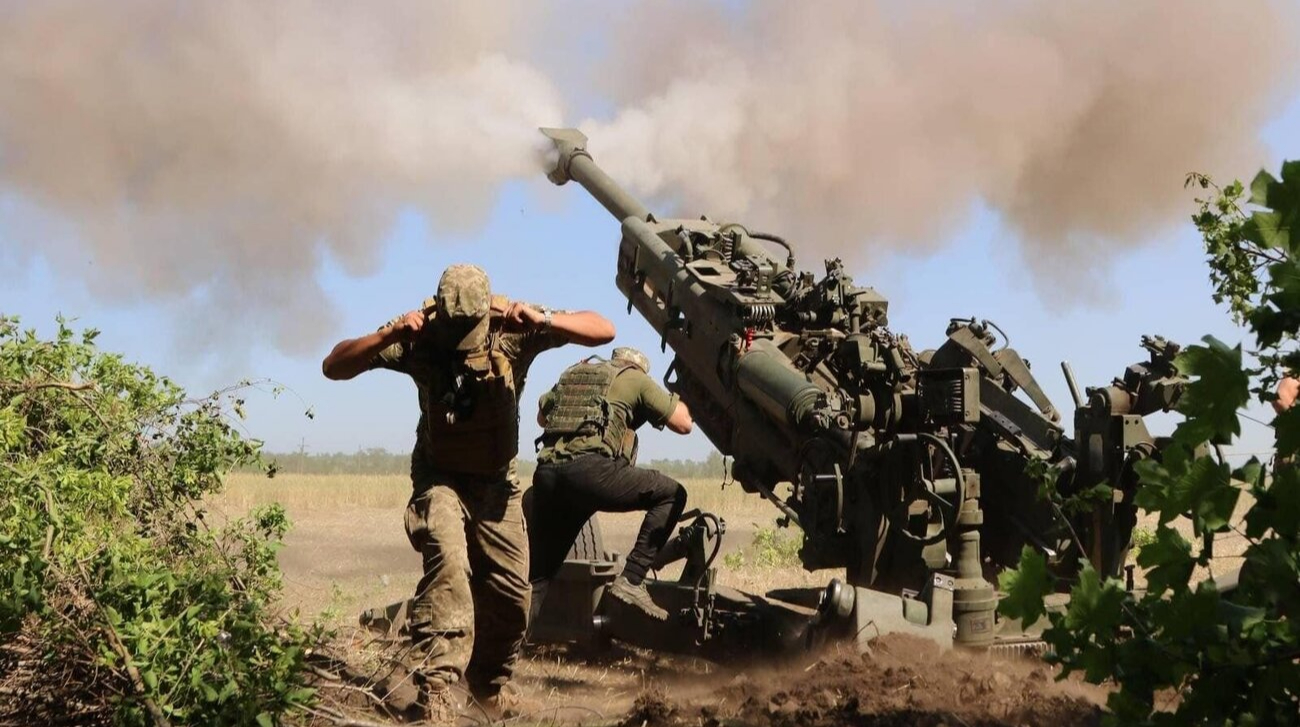
Ukraine's General Staff has provided a detailed assessment of the battlefield situation, reporting that over 190 combat clashes took place over the past day.[2] Specifically, the official tally stands at 194 combat clashes, highlighting a high tempo of military activity across the theater of operations.[2] These engagements represent direct confrontations between Ukrainian defense forces and opposing units, occurring within a 24-hour period that reflects the persistent nature of the fighting.
The General Staff's reporting mechanism serves as a primary source for tracking daily battlefield dynamics, with this update emphasizing the scale of interactions on the ground.[2] Combat clashes in this context typically involve infantry actions, artillery exchanges, and localized assaults, contributing to the overall attrition in the conflict.[2] The fact that 194 such incidents unfolded in a single day points to multiple hotspots where forces are actively contesting positions, from eastern frontline areas to other sectors under pressure.[2]
This level of activity aligns with patterns observed in prior General Staff briefings, though the exact distribution across regions remains tied to the reported aggregate.[2] Ukraine's military leadership uses these figures to inform operational planning and public communication, ensuring transparency on the scope of daily engagements.[2] The over 190 clashes mark a notably active period, as the terminology "battlefield sees over 190 clashes" directly from the update conveys the breadth of combat operations.[2]
Furthermore, the General Staff's role in compiling these statistics involves real-time monitoring and verification from field units, making the 194-clash total a comprehensive snapshot.[2] Such high numbers suggest coordinated defensive and offensive maneuvers by Ukrainian forces responding to advances or probes by adversaries.[2] This overview from Ukraine's General Staff thus provides critical insight into the pace of the conflict, setting the stage for understanding associated casualties and other incidents.[2]
Russian Military Losses
Russia lost 910 soldiers killed and wounded over the past day, according to updated data from Ukraine's General Staff.[3] This casualty figure represents a substantial toll on Russian personnel, encompassing both fatalities and injuries sustained during the reported combat clashes.[3] The General Staff's daily loss assessments are methodically tracked, with this specific update confirming the 910 figure as the latest in a series of reports on adversary manpower reductions.[3]
These losses occur amidst the 194 combat clashes detailed in the same timeframe, illustrating the direct correlation between engagement intensity and human cost.[3] Ukraine's General Staff has consistently provided these updates, stating explicitly that "Russia lost 910 soldiers killed and wounded over the past day."[3] The inclusion of both killed and wounded in the tally offers a fuller picture of combat impact, as wounded personnel often require evacuation and long-term medical support, further straining resources.[3]
The 910 losses highlight the attritional nature of the fighting, where daily engagements lead to measurable degradation of opposing forces.[3] General Staff reports like this one are issued regularly to document the cumulative effect of Ukrainian defensive operations.[3] This particular day's figure underscores the effectiveness of Ukrainian tactics in inflicting casualties during the over 190 clashes.[3] Historical context from similar updates shows these numbers as part of an ongoing trend, though each daily report stands on its own merits.[3]
In detailing Russian military losses, the General Staff emphasizes verified data from intelligence and frontline observations.[3] The 910 soldiers affected represent individual lives impacted by the clashes, contributing to broader manpower challenges for Russian command structures.[3] This report reinforces the high operational tempo, as losses at this scale occur alongside the dynamic battlefield environment described elsewhere.[3]
{IMAGE_2}
Human Rights Issues at Zaporizhzhia Nuclear Plant
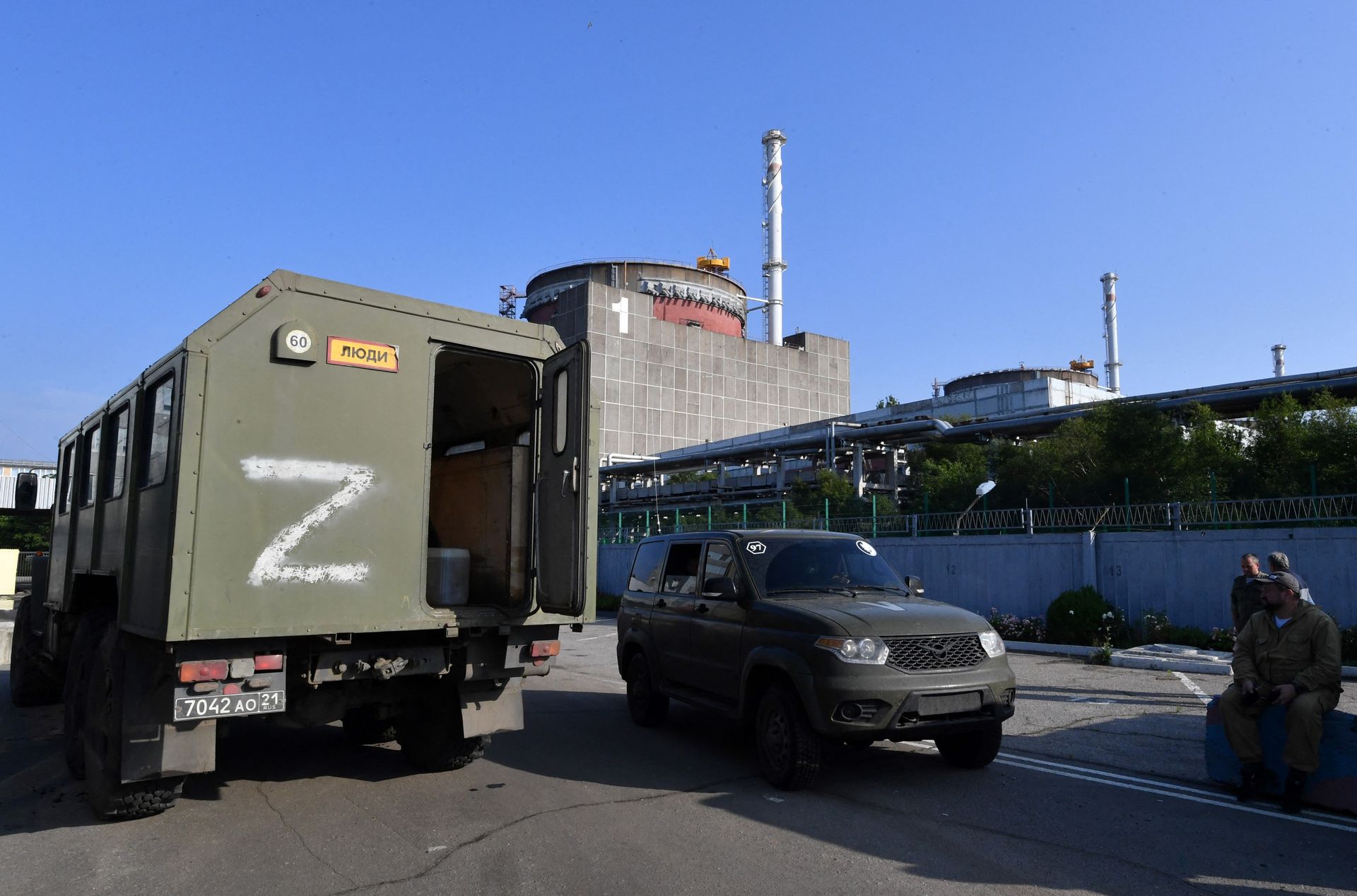
Human rights activists have identified 7 torture chambers detaining staff at Ukraine's Zaporizhzhia nuclear plant.[1] This revelation points to severe conditions affecting personnel at the facility, with activists counting a total of 7 such chambers used for detaining plant staff.[1] The Zaporizhzhia nuclear plant, a critical infrastructure site, has been a focal point amid the conflict, and these findings highlight human rights violations targeting its workforce.[1]
The activists' documentation specifies that the torture chambers are holding Ukraine's Zaporizhzhia nuclear plant staff, indicating targeted detention practices.[1] Reports from human rights groups, as covered in the update, repeat the count of 7 torture chambers, underscoring the systematic nature of the issue.[1] Detaining staff at a nuclear facility raises concerns about operational safety and personnel welfare, given the specialized roles these individuals play.[1]
This identification by human rights activists brings attention to the conditions within the plant's occupied areas, where staff are subjected to detention in these chambers.[1] The phrase "human rights activists count 7 torture chambers detaining Ukraine's Zaporizhzhia nuclear plant staff" captures the essence of the findings, repeated for emphasis in monitoring efforts.[1] Such chambers imply coercive environments designed to intimidate or extract information from plant employees.[1]
The Zaporizhzhia nuclear plant's strategic importance amplifies the gravity of these human rights issues, as staff detention could impact facility management and international oversight.[1] Activists' work in verifying and publicizing these 7 chambers contributes to global awareness of abuses in conflict zones.[1] This report stands as a documented account of the challenges faced by nuclear plant personnel under occupation.[1]
Foreign Fighters in the Conflict
Kenyan citizens fighting for Russia were killed in combat in Kharkiv Oblast.[4] A group of foreign mercenaries fighting for Russia has been killed in combat by Ukraine's defence forces in Kharkiv Oblast, with photos accompanying the report.[4] These Kenyan nationals were part of the mercenary contingent engaged on the Russian side, meeting their end during operations in the specified region.[4]
The incident involves non-Russian personnel actively participating in hostilities, as Ukraine's defence forces neutralized the group in Kharkiv Oblast.[4] Ukrainska Pravda's coverage notes "Kenyan citizens fighting for Russia killed in combat – photos," confirming the nationalities and outcome.[4] Foreign mercenaries like these Kenyans represent an element of international involvement supporting Russian efforts.[4]
Kharkiv Oblast has seen such engagements, where Ukraine's forces have targeted opposing units, including those with foreign composition.[4] The killing of this group underscores the risks faced by mercenaries drawn into the conflict.[4] Reports specify that the fatalities occurred in combat actions by Ukraine's defence forces, highlighting effective countermeasures against foreign fighters.[4]
This development illustrates the diverse makeup of forces on the Russian side, with Kenyan citizens among those sustaining losses.[4] The presence of photos in the reporting provides visual corroboration of the event in Kharkiv Oblast.[4] Such incidents reflect the broader recruitment of foreign personnel into the fighting.[4]
{IMAGE_3}
Battlefield Reporting by Ukraine's General Staff
Ukraine's General Staff continues to deliver precise updates on combat activity, with the past day's report citing 194 clashes and 910 Russian losses.[2][3] These dual metrics from the General Staff offer a coordinated view of daily progress, where clashes translate into tangible adversary setbacks.[2][3] The General Staff's methodology ensures that figures like over 190 clashes and exact 194 engagements are reliably tracked.[2]
In addition to clashes, the 910 soldiers lost by Russia—killed and wounded—demonstrate the human cost extracted through these operations.[3] General Staff briefings integrate these elements to portray the battlefield's rhythm, as seen in statements like "battlefield sees over 190 clashes over past day."[2] This reporting framework supports strategic assessments and public discourse on the conflict's trajectory.[2][3]
The consistency in General Staff updates, covering both engagements and losses, aids in understanding sustained pressure points.[3] For instance, the alignment of 194 clashes with 910 casualties indicates efficient Ukrainian responses.[2][3] These reports from Ukraine's General Staff remain pivotal for monitoring developments without speculation.[2][3]
Implications of Foreign Involvement and Human Rights Reports
The deaths of Kenyan fighters for Russia in Kharkiv Oblast reveal ongoing foreign participation, paralleling human rights documentation at Zaporizhzhia.[4][1] Activists' count of 7 torture chambers detaining nuclear plant staff adds a layer of concern beyond battlefield losses.[1] Meanwhile, Russian casualties at 910 integrate with the 194 clashes, painting a multifaceted picture.[3][2]
Foreign mercenaries' losses in combat by Ukraine's forces highlight vulnerabilities in multinational units.[4] Coupled with torture chamber findings, these elements underscore diverse challenges in occupied or contested areas.[1][4] General Staff data on clashes and losses provides numerical context to such incidents.[2][3]
This convergence of reports—from clashes to foreign fatalities and rights abuses—reflects interconnected conflict dynamics.[1][2][3][4]
What to watch next: Monitor Ukraine's General Staff for the next daily update on combat clashes and Russian losses, alongside any further human rights reporting on Zaporizhzhia or developments involving foreign fighters in areas like Kharkiv Oblast.[1][2][3][4]