
Israel Conflict Widens as Army Claims Control of Lebanon’s Wadi Saluki
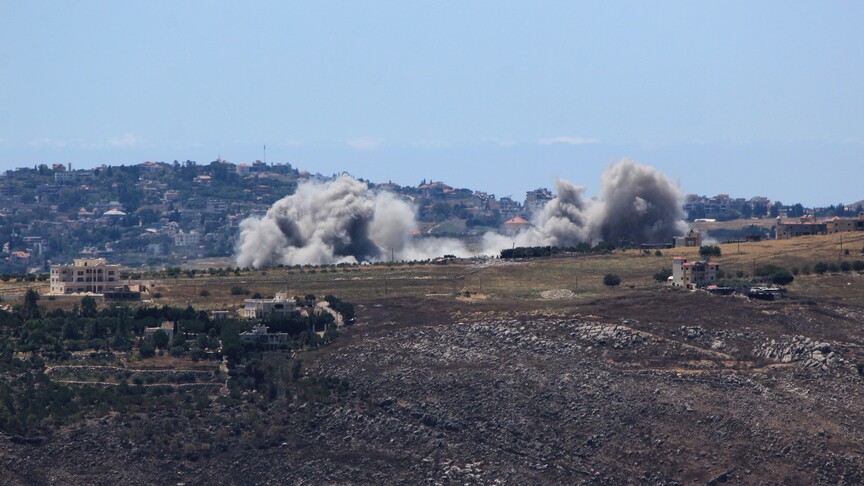
The Israeli army has claimed operational control over Lebanon’s Wadi Saluki stream area, widening its occupation of territory in southern Lebanon as part of the ongoing Israel conflict. The Israeli military announced it achieved 'operational control' over the Wadi Saluki area, expanding its occupation of Lebanese land. [1]
Israeli Military Advances in Southern Lebanon
The Israeli army claims control of Lebanon’s Wadi Saluki, which widens occupation of territory in the south. [1] Military statements indicate the force achieved 'operational control' over the Wadi Saluki stream area. [1] This development expands the area of Lebanese territory under occupation by Israeli forces. [1] The announcement focuses solely on the operational status of the stream area without additional details on timelines or further movements. [1]
Hezbollah Response and Drone Incident
Hezbollah says it shot down an Israeli drone over eastern Lebanon. [3] The group reported that a Heron 1 surveillance drone was downed with a missile over the Bekaa region. [3] This action occurred in the context of the Israel conflict and involved a specific surveillance model identified as the Heron 1. [3] Hezbollah described the downing as a direct response involving missile use against the aircraft. [3]
Israeli forces claim operational control over Lebanon's Wadi Saluki stream area. — Source: anadolu
Escalating Violence in the West Bank
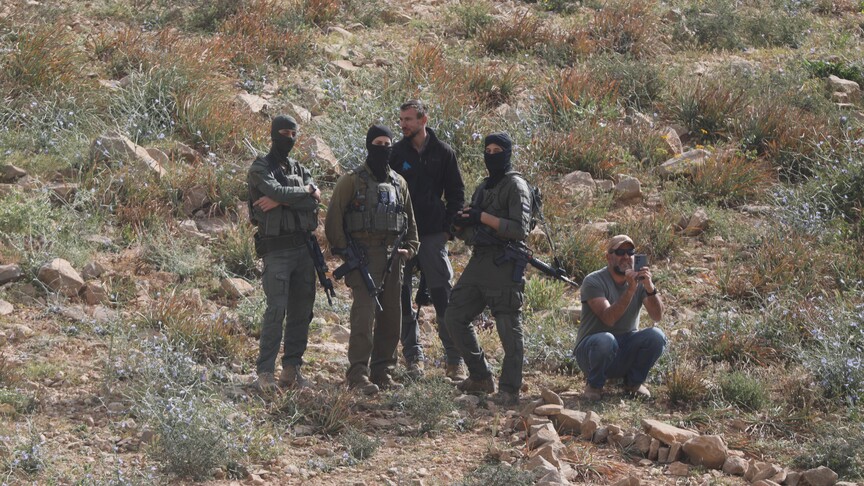
UN data shows Israeli occupier attacks on Palestinians in the West Bank are higher than any year on record. [2] More than 2,200 Palestinians have been displaced this year due to settler violence or other access restrictions, according to a UN spokesperson. [2] These figures reflect the intensity of incidents tracked across the occupied West Bank. [2]
Oxfam Analysis of Killings in West Bank
An Oxfam analysis of UN data indicates Israeli army and settlers have killed more Palestinians in the occupied West Bank in the last three years than in the previous 17 years combined. [5] More than one in five of those killed in the past 20 years were children. [5] The analysis draws directly from United Nations records covering the occupied Palestinian territory. [5] The number of children killed in the recent three-year period has also increased according to the same review of the data. [5]
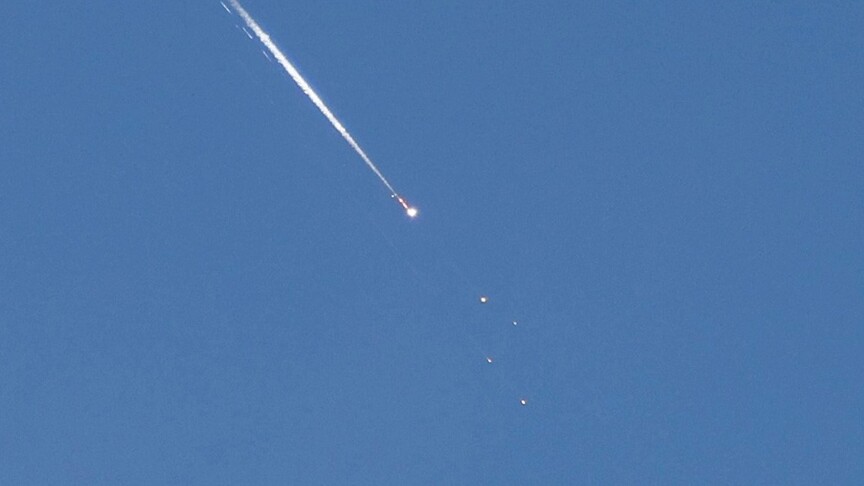
Hezbollah claims it shot down an Israeli Heron 1 drone over eastern Lebanon's Bekaa region. — Source: anadolu
Amnesty International Critique of Israeli Actions
Amnesty International’s secretary general Agnes Callamard described violence by extremist Israeli settlers against Palestinians as part of a long-running 'ethnic cleansing' project driven by Israeli state actors. [4] Callamard stated that such violence does not consist of isolated incidents. [4] The secretary general criticized the EU for turning a blind eye to the situation in the West Bank. [4] The assessment links the settler actions to ongoing state-driven efforts in the occupied territory. [4]
Broader Context of the Israel Conflict
Developments across Lebanon and the West Bank connect through reporting on the Israel conflict. [1] [2] [3] [4] [5] The Israeli army's claim of operational control over Wadi Saluki expands occupation in southern Lebanon. [1] Hezbollah's downing of the Heron 1 drone took place over the Bekaa region. [3] UN records document attacks higher than any year on record alongside more than 2,200 displacements. [2] Oxfam's review shows killings in the last three years exceeding the prior 17 years combined, with children accounting for more than one in five deaths over 20 years. [5] Agnes Callamard of Amnesty International characterized the violence as part of state-driven ethnic cleansing and faulted EU inaction. [4] These elements together illustrate linked patterns in the Israel conflict drawn from the available sources. [1] [2] [3] [4] [5]
What to watch next: Further announcements from the Israeli military on additional areas in southern Lebanon, additional reports from Hezbollah on drone or missile activity in the Bekaa region, and updated UN or Oxfam figures on displacements and killings in the West Bank.