
Conflict in Palestine: Surge in Settler Attacks and Killings in the West Bank
Israeli settler attacks and killings of Palestinians in the West Bank are surging, as reported in recent updates and condemned by international actors. This escalation forms a critical part of the broader conflict in Palestine, where coordinated violence and humanitarian challenges continue to intensify across occupied territories.[1][2]
Overview of Current Violence in Palestine
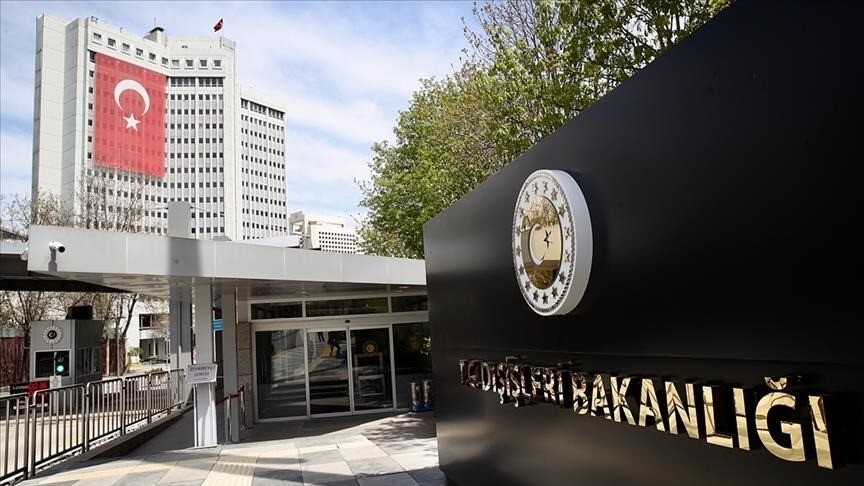
Recent reports highlight a marked surge in violence within the conflict in Palestine, particularly focusing on Israeli settler attacks and killings of Palestinians in the West Bank. According to updates from Anadolu Agency, Türkiye's Foreign Ministry has directly condemned these settler attacks and the resulting deaths, pointing to a pattern that has drawn sharp international scrutiny.[1] This violence is not isolated but part of a wider trend documented in Al Jazeera's weekly wrap-up, which details coordinated attacks and evictions occurring simultaneously in both Gaza and the West Bank. The report explicitly notes that killings of Palestinians in Gaza and settler violence across the West Bank are both continuing to surge, indicating a synchronized escalation in hostilities.[2]
This overview underscores the interconnected nature of the violence. In the West Bank, settler actions have led to fatalities, while Gaza experiences parallel killings amid ongoing operations. The surge is described as persistent, with no signs of abatement in the immediate term. These developments align with Türkiye's accusation that the Netanyahu government is encouraging such settler violence, framing it as a state-backed phenomenon rather than sporadic incidents.[1] The combination of these sources paints a picture of intensified conflict dynamics, where settler aggression in the West Bank complements broader military pressures in Gaza, contributing to a volatile security environment across the occupied Palestinian territories.[2]
Details on Settler Attacks in the West Bank
Settler violence in the West Bank has become a daily occurrence, characterized by harassment and more severe acts, including killings, as evidenced by multiple reports. Anadolu Agency reports that Türkiye's Foreign Ministry has condemned specific Israeli settler attacks resulting in the killing of Palestinians, attributing this to encouragement from the Netanyahu government.[1] This governmental role is further illuminated in a Dawn article, which describes a vivid scene captured on the cover of the Italian magazine L’Espresso: an Israeli soldier-settler filming a distraught Palestinian woman while harassing her alongside fellow settlers. The piece emphasizes that such scenes occur almost daily in occupied Palestine, with the explicit approval and support of the Israeli government and armed forces.[3]
These details reveal the nature of settler attacks as systematic rather than random. The involvement of soldier-settlers blurs lines between civilian aggression and military endorsement, as the Dawn report labels participants as "soldier-settler-terrorists," highlighting the dual roles that enable unchecked harassment.[3] Türkiye's statement reinforces this by urging the international community to ensure accountability for crimes in Palestine, implying a policy-level facilitation of violence.[1] The surge in killings ties directly to these patterns, where daily harassment escalates into lethal confrontations, supported by state mechanisms. This connection between government policies and on-the-ground actions underscores a permissive environment for settlers, as both sources indicate ongoing backing from Israeli authorities.[1][3]
Conditions in Gaza and the West Bank
The occupied Palestinian territories are grappling with coordinated attacks, evictions, and a surge in killings, exacerbating humanitarian conditions in both Gaza and the West Bank. Al Jazeera's weekly summary points to ongoing coordinated attacks and evictions in these areas, with Palestinian killings in Gaza and settler violence in the West Bank both surging.[2] This dual-front pressure has led to widespread displacement and insecurity, as cross-referenced with humanitarian assessments.
In Gaza, the situation involves persistent violence contributing to critical public health risks, while the West Bank sees record levels of displacement driven by settler actions.[2][4] ReliefWeb's UNFPA Situation Report for January-March 2026 details a significant deterioration in the humanitarian situation due to persistent violence and access constraints. Gaza specifically faces severe supply shortages and worsening shelter conditions, compounding the impact of killings and attacks.[4] Meanwhile, the West Bank is marked by unprecedented displacement alongside heightened settler violence, creating a cycle of eviction and instability.[2][4]
These conditions reflect a broader crisis where violence directly fuels humanitarian decline. Evictions in the West Bank, often tied to settler expansions, displace communities at record rates, while Gaza's shortages hinder basic survival amid ongoing hostilities.[4] The surge in settler violence, as noted in both media and humanitarian reports, amplifies these challenges, with no relief in sight from the reported trends.[2]
International Responses to the Conflict
International actors have responded forcefully to the surge in settler violence and killings, with Türkiye emerging as a prominent voice calling for accountability. The Turkish Foreign Ministry, as reported by Anadolu Agency, has condemned the Israeli settler attacks and the killing of Palestinians in the West Bank.[1] It explicitly accuses the Netanyahu government of encouraging this settler violence, positioning it as a deliberate policy rather than incidental clashes.
This condemnation extends to a broader demand for justice, with Türkiye urging the international community to ensure accountability for crimes in Palestine.[1] Such statements highlight a diplomatic push against perceived impunity, framing the violence as state-enabled. By linking government encouragement to daily occurrences of settler aggression, Türkiye's position aligns with reports of official support, amplifying calls for global intervention.[1] These responses underscore growing international concern over the escalation, though they remain focused on condemnation and accountability measures at this stage.
Broader Humanitarian Impact
The humanitarian situation in the Occupied Palestinian Territories has deteriorated significantly, as outlined in the UNFPA Situation Report covering January-March 2026. Persistent violence and access constraints have led to critical public health risks in Gaza, alongside severe supply shortages and worsening shelter conditions.[4] In the West Bank, record levels of displacement coincide with escalating settler violence, creating an environment of profound instability.[4]
This impact manifests in multiple layers: Gaza's shortages affect essential goods and services, heightening vulnerabilities amid ongoing killings and attacks.[2][4] The West Bank's displacement reaches unprecedented scales, forcing families from homes amid harassment and evictions supported by settler actions.[3][4] The report emphasizes how violence directly worsens these conditions, with no access to mitigate the crisis.[4] Across both regions, the surge in hostilities translates into tangible suffering, including health crises, shelter deficits, and mass uprooting, all grounded in the persistent conflict dynamics.
What to watch next: Monitor continued surges in settler violence and killings in the West Bank, alongside Gaza's humanitarian shortages and West Bank's displacement records, as international calls for accountability intensify amid ongoing attacks and evictions.[1][2][4]