
Conflict in Lebanon: Türkiye Delivers 360 Tons of Aid to Displaced Civilians
In the ongoing conflict in Lebanon, Türkiye has delivered 360 tons of aid to displaced civilians following Israeli attacks, as more than 1 million people face worsening humanitarian conditions.[1] This significant shipment underscores Türkiye's role in addressing the immediate needs of those affected by the escalation, with officials emphasizing that assistance will continue amid the deteriorating situation.[1]
Aid Delivery to Displaced Civilians
Türkiye's delivery of 360 tons of aid represents a direct humanitarian response to the plight of civilians displaced by Israeli attacks in Lebanon.[1] This substantial consignment is targeted specifically at supporting those forced from their homes, providing essential relief in the form of food, medical supplies, and other necessities that are critical in the aftermath of such violence.[1] Officials from Türkiye have highlighted the urgency of this aid, noting that it arrives at a time when basic services are strained and access to resources is severely limited for the affected population.[1]
The scale of this delivery—360 tons—demonstrates logistical coordination and commitment, involving transportation across borders to reach areas hardest hit by the attacks.[1] Such efforts are vital in stabilizing immediate living conditions, preventing further health crises, and offering a semblance of normalcy to families who have been uprooted.[1] By focusing on displaced civilians, Türkiye's initiative addresses the human cost of the conflict, where homes, infrastructure, and livelihoods have been disrupted.[1] This aid not only meets short-term needs but also signals a broader strategy of sustained support, as pledged by Turkish authorities.[1]
Scale of Displacement and Humanitarian Conditions
More than 1 million people are now displaced within Lebanon due to the conflict, contributing to rapidly deteriorating humanitarian conditions.[1] This massive displacement has overwhelmed shelters, strained water and sanitation systems, and exacerbated risks of disease outbreaks and malnutrition among vulnerable groups, including children and the elderly.[1] The worsening conditions are marked by shortages of essentials, overcrowded living spaces, and limited access to medical care, all compounded by the ongoing insecurity.[1]
The figure of over 1 million displaced individuals paints a picture of a crisis on an unprecedented scale, with families scattered across the country and into neighboring areas.[1] Humanitarian organizations and local authorities report that the lack of safe return options has prolonged this displacement, leading to psychological strain and economic hardship.[1] As conditions worsen, the need for external aid becomes even more pressing, with daily challenges including food insecurity and exposure to harsh weather without adequate protection.[1] This situation demands coordinated international responses to mitigate the long-term impacts on Lebanon's social fabric.[1]
IDF Actions Post-Ceasefire
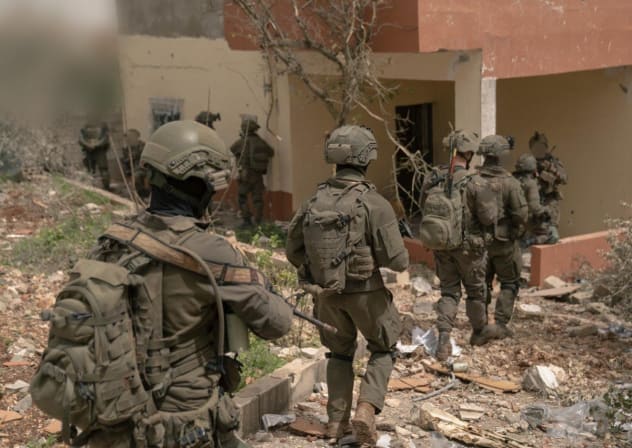
Following a ceasefire, the Israel Defense Forces (IDF) have escalated efforts to prevent civilians from returning to southern Lebanon.[2] These measures include increased military presence, checkpoints, and warnings aimed at keeping the area clear of non-combatants, ostensibly to maintain security and prevent violations of the truce.[2] The IDF's actions reflect a strategic decision to control movement in the region, ensuring that southern areas remain demilitarized or under surveillance post-ceasefire.[2]
This escalation involves enhanced patrols and enforcement tactics, which have intensified since the ceasefire took effect.[2] By restricting civilian returns, the IDF aims to avoid complications from population movements that could complicate ongoing operations or lead to renewed hostilities.[2] The approach has drawn attention for its implications on civilian life, as families are unable to access their properties or rebuild in the immediate aftermath.[2] These post-ceasefire dynamics highlight the fragile nature of the truce, with military priorities shaping the pace of normalization in southern Lebanon.[2]
Ongoing Response and Implications
Türkiye has committed to continuing its aid deliveries, providing ongoing support to the displaced civilians amid the conflict's fallout.[1] This pledge from officials ensures a steady flow of assistance, addressing the persistent humanitarian needs as conditions continue to worsen for over 1 million people.[1] Meanwhile, the IDF's escalated efforts to block civilian returns post-ceasefire add layers of complexity, potentially prolonging displacement and straining resources further.[2]
The interplay between these developments—humanitarian aid from Türkiye and military restrictions by the IDF—illustrates the multifaceted challenges in Lebanon.[1][2] Continued aid is crucial for sustaining life in displacement camps and informal shelters, while IDF actions influence the feasibility of long-term recovery.[2] Implications include heightened dependency on international support and risks of protracted instability if returns remain curtailed.[1][2] These responses collectively shape the trajectory of relief efforts and security measures in the region.[1][2]
Key Context of the Conflict
The current situation in the conflict in Lebanon stems from Israeli attacks that prompted massive displacement, leading Türkiye to step in with 360 tons of aid for civilians.[1] A ceasefire has been established, yet the IDF's escalation to prevent returns to southern Lebanon underscores ongoing tensions.[2] More than 1 million displaced individuals face worsening conditions, prompting commitments for continued assistance from Türkiye.[1]
This context reveals a cycle of violence and fragile de-escalation, where attacks have uprooted populations, and post-ceasefire military postures limit recovery.[1][2] The humanitarian crisis, with its scale and severity, necessitates persistent aid flows, while security concerns drive restrictions on movement.[1][2] Officials' assurances of ongoing support from Türkiye provide a counterbalance to the military dynamics, highlighting international involvement in mitigating the conflict's human toll.[1][2]
What to watch next: Türkiye's continued aid deliveries will be key as humanitarian conditions worsen for over 1 million displaced, while IDF efforts to prevent civilian returns post-ceasefire could extend the displacement crisis.[1][2]