Conflict in Lebanon: Israel Warns Residents to Avoid Border Areas Despite Ceasefire
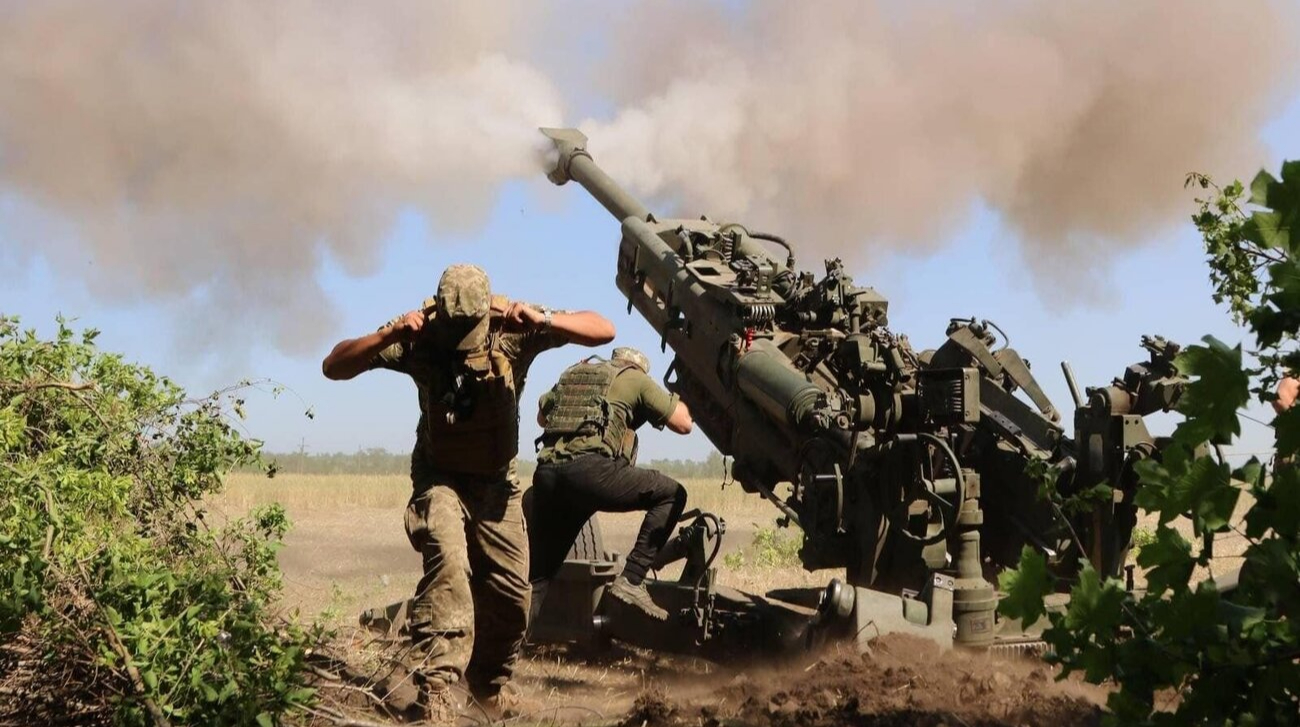
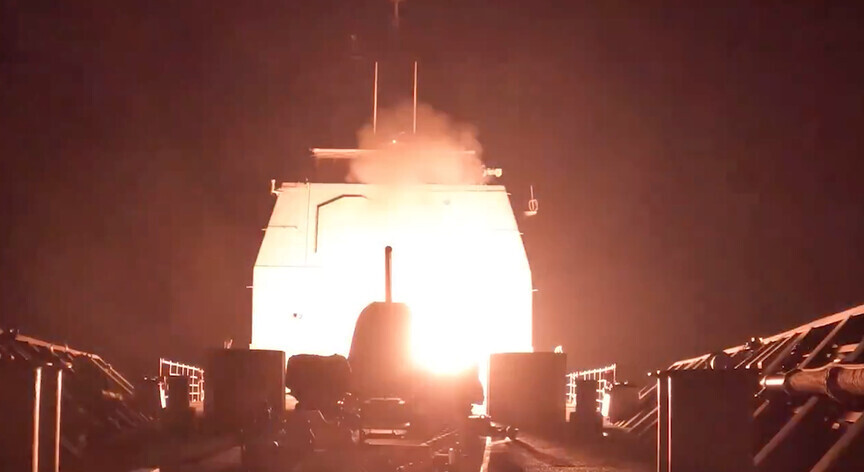
Israel is entrenching its hold on south Lebanon and warning residents to stay out of border areas and the Litani River region, despite the U.S.-mediated ceasefire that took effect on Thursday.[1] This development underscores the fragile nature of the truce in the ongoing conflict in Lebanon, as military positions remain firmly in place amid broader humanitarian and social tensions.
Israel's Military Presence in South Lebanon
Israel's military has solidified its control over southern Lebanon following the ceasefire, issuing direct instructions to local residents to avoid key areas along the border.[1] On Monday, Israeli authorities explicitly told residents of south Lebanon to stay out of a belt of territory that runs the entire length of the border with Israel, extending further to prohibit approaches to the Litani River area.[1] This directive comes despite the U.S.-mediated ceasefire, which is described as a 10-day arrangement that took effect on Thursday, aimed at halting the war between Israel and Hezbollah.[1]
The entrenchment of Israel's grip represents a continuation of its strategic positioning in the region, even as the ceasefire is intended to de-escalate hostilities.[1] By maintaining a presence and enforcing restricted zones, Israel appears to be prioritizing security concerns along the border, potentially complicating the return of displaced civilians to their homes.[1] The Litani River, a significant geographical feature in southern Lebanon, has historically been a focal point in conflicts due to its proximity to the border and its role in military operations.[1] Residents attempting to re-enter these areas risk confrontation, as the warnings underscore Israel's determination to control access post-ceasefire.[1]
This military posture raises questions about the implementation of the truce, as it limits civilian movement in a region already scarred by escalation.[1] The belt along the border serves as a buffer zone, reflecting Israel's long-standing approach to securing its northern frontier against threats from Hezbollah.[1] While the ceasefire has paused active fighting, the persistence of these restrictions signals that the underlying tensions persist, with Israel embedding its forces to monitor and deter potential violations.[1]
Humanitarian Aid Efforts in Response to Displacement
In response to the intensifying military escalation in Lebanon, Qatar has funded a significant humanitarian intervention valued at US$400,000 to aid families displaced across multiple regions.[2] This effort, supported by the Qatar Fund for Development (QFFD), is being implemented through partnerships with Qatar Charity and the Qatar Red Crescent Society (QRCS).[2]
The intervention targets largescale internal displacement, particularly from South Lebanon, Beirut’s southern suburbs, and parts of the Bekaa Valley, areas hit hardest by the conflict.[2] Qatar Charity has taken the lead in executing the urgent relief measures, providing essential support to affected families amid the chaos of displacement.[2] The QRCS complements these efforts, ensuring a coordinated response to the immediate needs arising from the military actions.[2]
This funding arrives at a critical juncture, as thousands of families have been uprooted, facing shortages of food, shelter, and medical care.[2] The State of Qatar's initiative demonstrates a rapid mobilization to address the humanitarian fallout, with the US$400,000 allocated specifically for relief operations tailored to the displaced populations.[2] By focusing on these key regions, the program aims to stabilize living conditions and prevent further deterioration in the wake of the escalation.[2]
The collaboration between QFFD, Qatar Charity, and QRCS highlights an effective model for international aid delivery in conflict zones, where local partnerships can expedite assistance.[2] As displacement continues to strain resources in Lebanon, such interventions provide a lifeline, though their scale underscores the magnitude of the crisis triggered by the military operations.[2]
Destruction of Religious Sites and Reactions
An Israeli soldier's destruction of a statue of Jesus in southern Lebanon has ignited widespread outrage among Christian communities and online audiences.[4] Images of the incident, which surfaced and went viral on Sunday, show an Israel Defense Forces soldier damaging the statue, prompting strong global condemnation for what many view as disrespect toward religious symbols.[4] Middle East Eye reported on the imagery, amplifying reactions that have spread rapidly across social media and beyond.[4]
This event has renewed scrutiny over Israel's history of destroying Christian and Muslim religious sites, with similar incidents documented in Gaza, the West Bank, and now south Lebanon.[3] Damage to the Jesus statue in Lebanon draws parallels to attacks on churches, mosques, and shrines in these areas, highlighting a pattern that has drawn international attention.[3] Christian communities, in particular, have expressed profound dismay, viewing the act as a direct affront to their faith.[4]
The online backlash has been intense, with the viral images fueling debates about the protection of religious heritage amid military operations.[4] Khaama Press noted the post's prominence, emphasizing how the soldier's actions have sparked outrage far beyond Lebanon.[4] In the broader context, these destructions contribute to narratives of cultural and religious targeting, as evidenced by prior events in Gaza and the West Bank.[3]
While the specific motivations behind the statue's destruction remain tied to the military context in south Lebanon, the incident exacerbates sectarian sensitivities in a region with diverse religious populations.[3][4] Reactions from Christian groups underscore calls for accountability, as the event unfolds against the backdrop of the ceasefire.[4]
Civilian Perspectives on the Ceasefire
Civilians in south Lebanon's Sour region report profound skepticism about the ceasefire's longevity, citing ongoing struggles to survive.[5] Many express little faith that the truce will hold, reflecting a deep-seated wariness shaped by recent experiences.[5]
In the Sour area, residents are grappling with daily hardships, including limited access to resources and the psychological toll of displacement.[5] The ceasefire, while a temporary reprieve, has not alleviated their immediate challenges, leading to doubts about its durability.[5] This perspective is rooted in the persistent military presence and restrictions that continue to disrupt normal life.[5]
Local accounts paint a picture of resilience amid uncertainty, as families navigate survival without confidence in sustained peace.[5] The lack of faith stems from the rapid escalation that preceded the truce, leaving civilians bracing for potential renewed conflict.[5] Their voices highlight the human cost at the grassroots level, where abstract diplomatic agreements feel distant from on-the-ground realities.[5]
Overview of the Current Conflict Situation
The current conflict in Lebanon remains tense, with Israel's entrenchment in south Lebanon and warnings to residents signaling limited de-escalation despite the U.S.-mediated ceasefire.[1][5] The 10-day truce, effective since Thursday, has not translated into full normalcy, as military controls persist along the border and Litani River areas.[1]
Civilians in regions like Sour continue to struggle, voicing little faith in the ceasefire's endurance amid survival challenges.[5] This doubt is compounded by Israel's grip on southern territories, which prioritizes security buffers over immediate civilian returns.[1][5] Broader developments, including displacement and religious site damages, further illustrate the fragile state of affairs.[1][5]
The situation encapsulates a standoff where strategic positions hold firm, even as humanitarian needs mount and local trust erodes.[1][5]
What to watch next: Observers will monitor whether Israel's border restrictions evolve as the 10-day ceasefire progresses, alongside civilian efforts to return amid ongoing struggles in south Lebanon.[1][5]