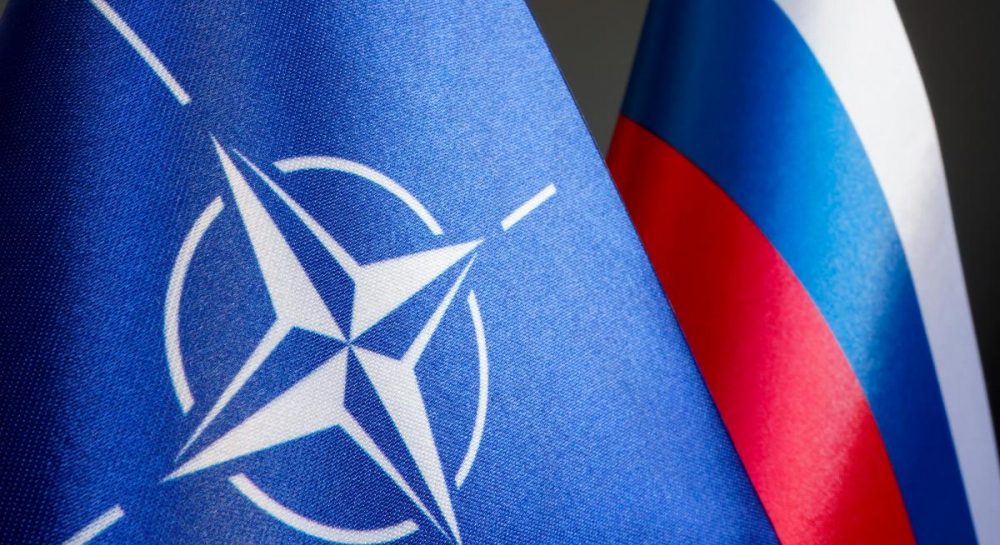

Concerns Rise Over Potential Ukraine Peace Deal as Negotiations Loom
As Ukraine approaches a potential peace deal with Russia, significant concerns have emerged regarding the implications of such negotiations. U.S. Representative Beth Van Duyne has voiced strong reservations, emphasizing the necessity to ensure that any agreement does not inadvertently reward Russian President Vladimir Putin for his aggression. This sentiment reflects a broader anxiety among Western leaders regarding the future stability of the region and the integrity of Ukraine's sovereignty.
In recent days, discussions have intensified around a possible cessation of hostilities in the nearly four-year-long Russia-Ukraine War, which began in February 2022. With Ukraine appearing more open to dialogue, the stakes have never been higher. Van Duyne's comments come amidst a backdrop of ongoing discussions in NATO and other international forums about the best path forward for Ukraine, which has endured significant military and civilian casualties since the conflict began.
Van Duyne articulated her concerns during a recent press conference, stating, "We must ensure that any peace deal does not send a message that aggression can yield rewards. The stakes are too high, not only for Ukraine but for the entire region and the principles of international law." Her remarks highlight a critical tension in the negotiation process: balancing the urgent need for peace with the imperative of holding aggressors accountable.
The potential for a peace deal has sparked debates among policymakers and analysts. Some argue that a negotiated settlement is essential to prevent further loss of life and to stabilize Ukraine. Others warn that succumbing to Russia's demands could embolden further aggression, setting a dangerous precedent for international relations.
The ongoing conflict has already had profound implications for NATO, with discussions emerging about the potential costs the alliance could face if hostilities escalate further. An article from GDELT underscores that NATO could suffer significant losses in the event of a broader conflict, illustrating the precarious position that member states find themselves in as they navigate their support for Ukraine.
Background
The Russia-Ukraine War has been characterized by intense fighting, particularly in Eastern Ukraine, where frontline battles have resulted in thousands of casualties and widespread destruction. Since the outset of the conflict, the international community has largely rallied behind Ukraine, providing military, financial, and humanitarian assistance while imposing sanctions against Russia.
Over the past year, as the war has dragged on, the prospect of a diplomatic resolution has been intermittently discussed, yet concrete progress remains elusive. The desire for peace is complicated by the differing objectives of the parties involved and the geopolitical ramifications of any agreement reached.
Conclusion
As Ukraine navigates the complexities of potential negotiations with Russia, the emphasis on preventing any form of capitulation to aggression is critical. Leaders like Rep. Beth Van Duyne are raising essential questions about the nature of peace and the long-term impacts on global security. The coming weeks will be pivotal as Ukraine considers its options and as the international community watches closely, hoping for a resolution that upholds the principles of sovereignty and justice while fostering lasting peace in the region.






