
Concerns Rise Over Potential Peace Deal in Ukraine-Russia Conflict
As Ukraine appears ready to engage in negotiations to end the ongoing war with Russia, concerns are mounting among U.S. lawmakers regarding the potential implications of any peace deal. Representative Beth Van Duyne has publicly emphasized the importance of ensuring that any agreement reached does not inadvertently reward Russian President Vladimir Putin for his actions during the nearly four-year conflict.
The Ukraine-Russia War, which began in February 2022, has resulted in significant loss of life and widespread destruction across Ukraine. With the conflict now at a critical juncture, discussions about a possible peace deal have gained traction, raising fears among some Western officials that concessions made during negotiations could embolden Russia and undermine Ukraine's sovereignty.
Rep. Van Duyne articulated her concerns during a recent interview, stating, “It is crucial that any peace deal we foster does not serve as a reward for Putin's aggression. The stakes are incredibly high for Ukraine, and we need to ensure that the path to peace does not come at the cost of their territorial integrity and freedom.” Her comments reflect a growing apprehension within the U.S. political landscape about the direction negotiations could take.
Despite the urgency for a resolution, the complex geopolitical landscape complicates the negotiation process. As Ukraine considers entering talks, there remains skepticism about Russia's intentions and whether any commitments made would be honored. The international community, particularly NATO allies, is closely monitoring the situation, recognizing that the outcome of these negotiations could have far-reaching implications not only for Ukraine but for global security.
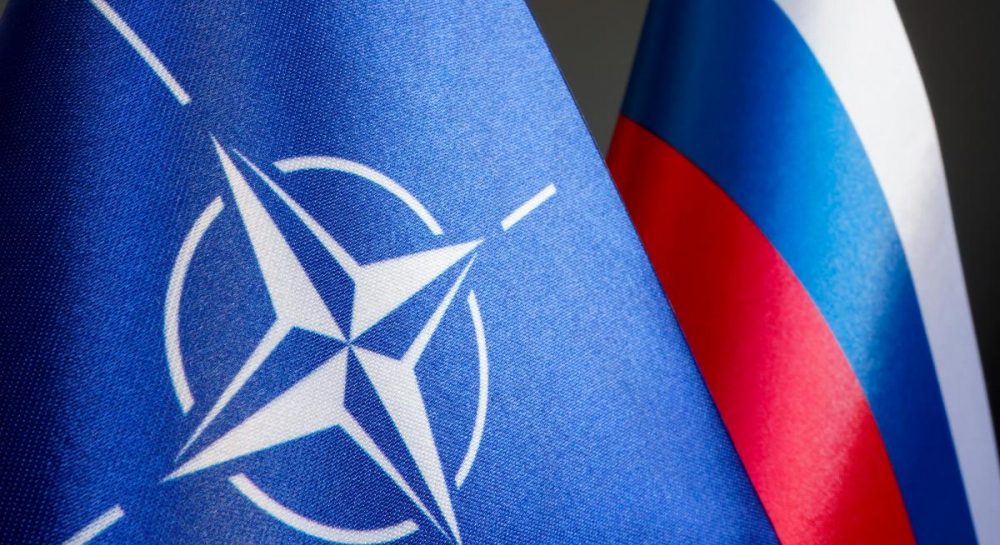
In the backdrop of these discussions, the ongoing conflict has continued to strain relations between Russia and NATO. Analysts warn that should the situation escalate further, NATO could face significant challenges in supporting Ukraine while managing its own defense posture against Russian aggression.
Reports indicate that NATO officials are preparing for various scenarios, emphasizing the need for solidarity among member states in the face of Russian military threats. The alliance remains committed to defending its eastern flank, which has been a focal point of heightened tensions since the war began.
As Ukraine weighs its options, the potential for a peace deal remains fraught with challenges. While the desire for an end to hostilities is palpable, the risks associated with a poorly negotiated agreement could lead to a resurgence of conflict. The international community, particularly the United States, must navigate these complexities carefully to support Ukraine without compromising its long-term sovereignty and security.
In conclusion, the situation in Ukraine remains fluid, with peace negotiations looming yet fraught with uncertainty. As both sides prepare to discuss the future, the emphasis on a fair and just resolution that does not reward aggression will be critical in shaping the region's stability moving forward. The coming weeks will be pivotal in determining the course of the conflict and the broader geopolitical landscape in Eastern Europe.






