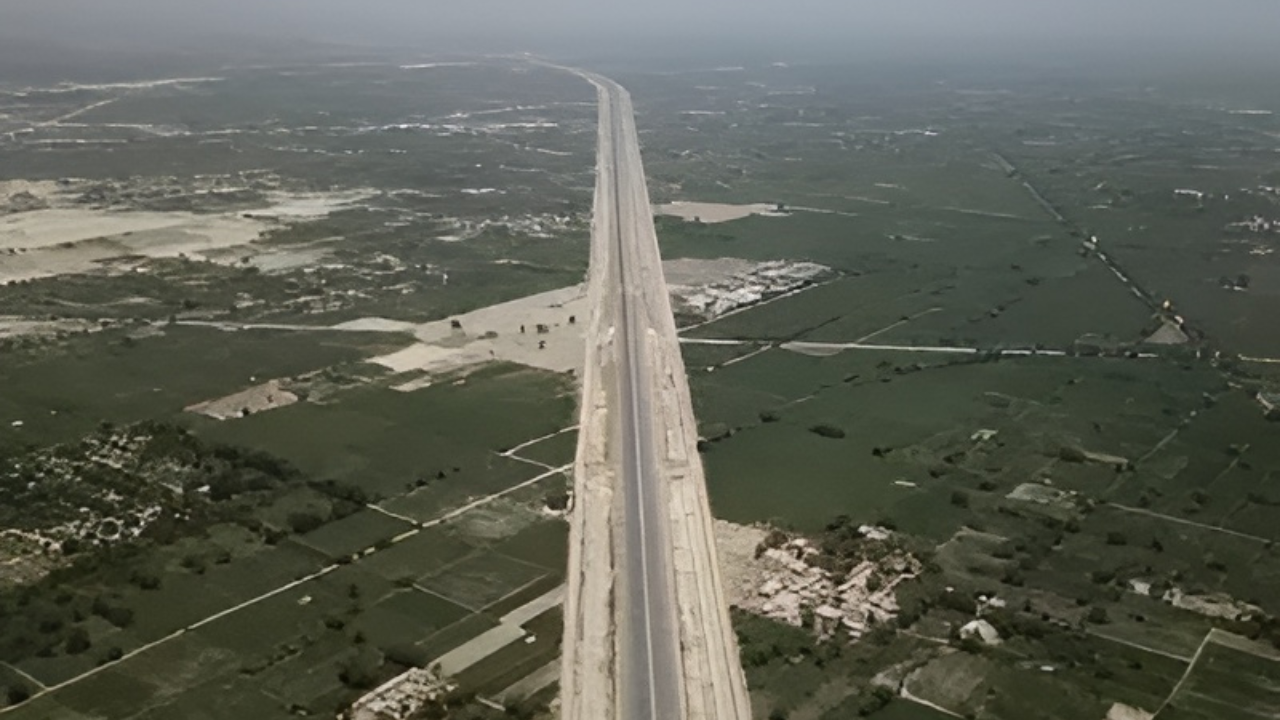

Concerns Rise Over Potential Chinese Military Deployment in Balochistan
In a significant geopolitical development, Mir Yar Baloch, a prominent Baloch leader, has raised alarms regarding a possible Chinese military deployment in Pakistan's Balochistan region. This warning comes amidst deepening ties between China and Pakistan, particularly in relation to the China-Pakistan Economic Corridor (CPEC). Baloch fears surrounding this potential military presence underscore a broader narrative of regional stability and the implications for India and Balochistan’s autonomy.
Mir Yar Baloch's concerns were articulated in a letter addressed to India's External Affairs Minister, S. Jaishankar, where he highlighted that the strengthening of China-Pakistan relations could pose a serious threat to both Balochistan and India. The Baloch leader emphasized that the decades-long repression faced by the Baloch people could intensify with a Chinese military footprint in the region. He urged for India to support Baloch resistance forces to counter this emerging threat and safeguard regional interests.
The potential deployment is seen as a direct consequence of the growing strategic alliance between Beijing and Islamabad, primarily driven by economic cooperation and infrastructure projects under the CPEC initiative. This multi-billion-dollar project aims to enhance connectivity and economic growth in Pakistan but has been met with skepticism and resistance from various local groups, including the Baloch.
Background on Balochistan’s Geopolitical Landscape
Balochistan, the largest province in Pakistan by land area, has long been a region marked by ethnic strife and demands for greater autonomy. The Baloch people have sought independence or increased autonomy from the central government, leading to ongoing conflict and unrest. The CPEC has exacerbated tensions, as many Baloch view the influx of Chinese investments and infrastructure projects as a means of further marginalization.
The strategic significance of Balochistan, particularly its coastline along the Arabian Sea, makes it a critical area for both Pakistan and China. The Gwadar Port, developed under CPEC, is central to China's Belt and Road Initiative, enhancing its access to maritime routes. However, local opposition to these developments has been fierce, with Baloch insurgent groups conducting attacks against state and foreign interests.
Implications for Regional Stability
The prospect of Chinese military involvement in Balochistan raises critical questions about the balance of power in South Asia. Analysts suggest that a military presence could escalate tensions not only within Pakistan but also with neighboring India, which has historically been cautious of Chinese influence in the region. The Baloch leader's appeal to India reflects a potential shift in alliances, with local groups seeking external support against perceived threats.
As tensions simmer, the international community is closely monitoring developments in Balochistan. The potential for a Chinese military deployment may lead to increased instability in an already volatile region, with implications for security and economic stability in South Asia.
Conclusion
The situation in Balochistan is emblematic of the broader geopolitical dynamics at play in South Asia, where local grievances intersect with international interests. As Pakistan and China continue to deepen their strategic partnership, the voices of local leaders like Mir Yar Baloch will remain crucial in the ongoing discourse about autonomy, security, and regional stability. The coming months may prove pivotal as stakeholders navigate the complexities of Balochistan's future amidst rising geopolitical tensions.






