
Colombia on High Alert: Preparing for Refugee Crisis and Border Turmoil After Maduro's Removal
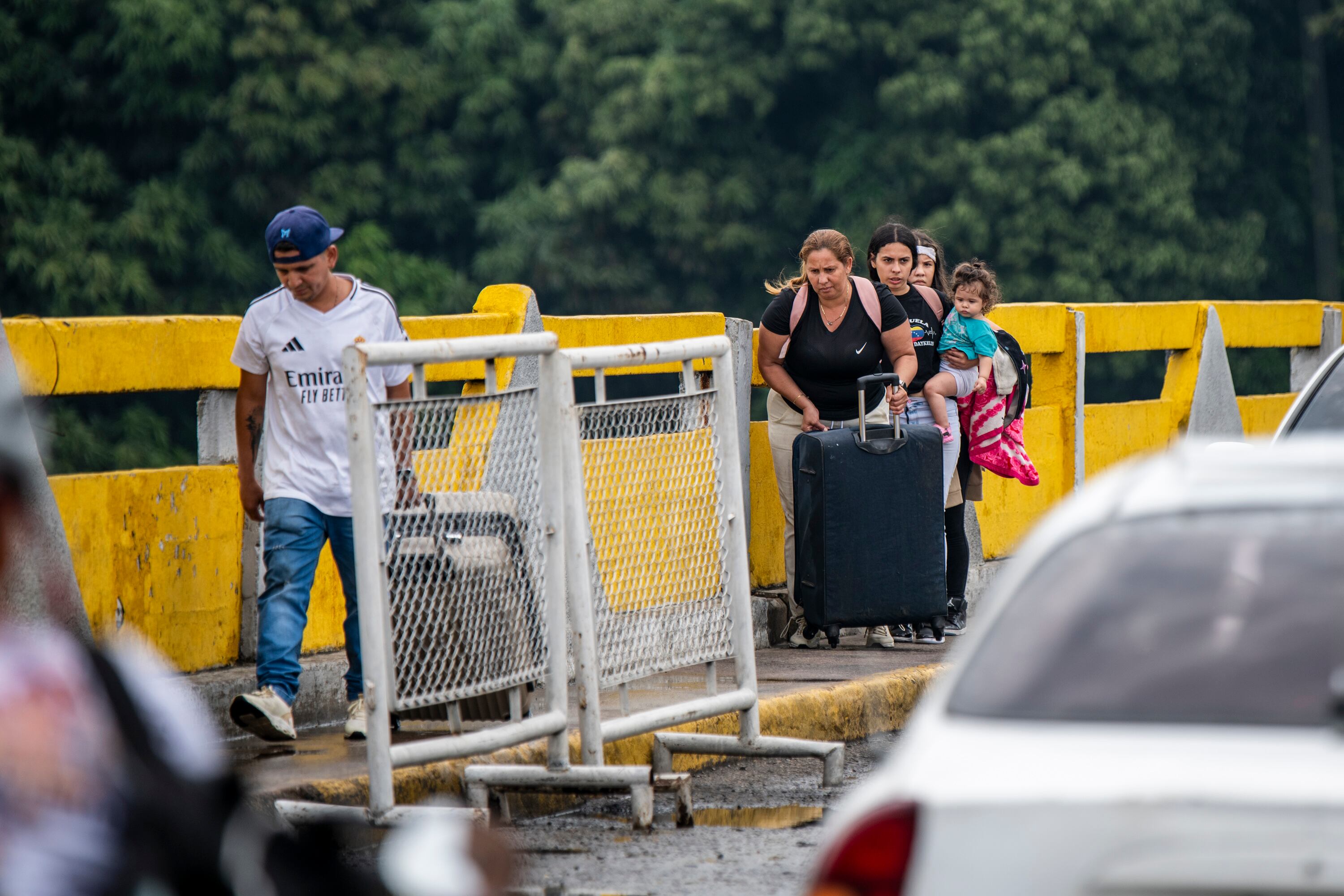
Bogotá, Colombia – Colombia's government is intensifying preparations for a potential humanitarian crisis along its border with Venezuela, following the U.S.-led removal of President Nicolás Maduro on January 3, 2026. Officials fear a new wave of refugees fleeing post-regime violence, exacerbating an already strained migration situation that has seen millions cross into Colombia in recent years.
The developments come amid reports of escalating instability in Venezuela after U.S. military action toppled Maduro's government, sparking concerns over political chaos, armed clashes, and mass displacement. Colombian authorities have activated contingency plans, including a three-phase strategy to manage what could become one of the region's largest refugee surges in decades.
According to reports from El País, Bogotá is cautiously gearing up for a "mass influx" of Venezuelans, with the foreign ministry and migration agencies coordinating a structured response. The three-phase plan outlines immediate border reinforcements in phase one, followed by expanded reception centers and aid distribution in phase two, and long-term integration measures in phase three. This approach aims to avert a humanitarian emergency while maintaining public order amid fears of spillover violence from Venezuela.
Colombia's 2,200-kilometer border with Venezuela has long been a flashpoint. Since Maduro's rise to power in 2013, an economic collapse marked by hyperinflation, food shortages, and political repression has driven over 7.7 million Venezuelans to flee abroad, according to United Nations estimates up to late 2025. Colombia alone has received more than 2.8 million of them, making it the top host nation. Many have settled in major cities like Bogotá and Cúcuta, straining public services, housing, and employment markets.
The current crisis traces back to January 3, when U.S. forces executed what was described as a targeted operation resulting in Maduro's removal. While details remain sparse, the action has unleashed factional fighting among Venezuelan loyalists, security forces, and opposition groups, prompting early border crossings. Colombian President Gustavo Petro, who has pursued a policy of dialogue with Maduro's regime since taking office in 2022, has expressed cautious optimism for a democratic transition in Venezuela but warned of immediate risks.
In a statement reported by local media, Petro emphasized the need for regional cooperation, stating that Colombia "cannot bear the full weight of this tragedy alone." Defense Minister Ivan Velasquez ordered reinforcements to the Colombia-Venezuela frontier, including additional troops and police to prevent incursions by armed groups. Authorities in Norte de Santander department, home to the bustling Simón Bolívar bridge—the main border crossing—have reported a 20% uptick in daily migrants since the weekend, with makeshift camps forming on the Venezuelan side.
Historical Context and Geopolitical Ramifications
Colombia's vulnerability stems from its shared history with Venezuela. The two nations, once close allies under leftist leaders Hugo Chávez and Álvaro Uribe's successors, saw relations sour under Maduro amid accusations of harboring Colombian guerrillas like the ELN and FARC dissidents. Cross-border smuggling, drug trafficking, and irregular migration have persisted, fueled by Venezuela's oil-rich but mismanaged economy.
Petro's administration had normalized ties in 2022, reopening borders and facilitating trade, which boosted bilateral commerce to $1.2 billion by 2025. However, the U.S. intervention has upended this fragile balance, drawing Colombia into a broader geopolitical contest. Washington has pledged $500 million in aid for a post-Maduro Venezuela, with indirect support for neighbors like Colombia through humanitarian channels via the UNHCR and Red Cross.
Analysts note that any prolonged Venezuelan turmoil could reignite dormant conflicts. The ELN, which operates freely in border regions, has already issued statements vowing to exploit the power vacuum. Colombia's own internal challenges—ongoing peace talks with armed groups and a fentanyl crisis—complicate the response.
Outlook and Regional Response
As of January 10, 2026, Colombian officials report no major incidents but are monitoring satellite imagery and intelligence for mass movements. The three-phase plan, still in its early implementation, includes partnerships with international organizations to preposition food, medical supplies, and temporary shelters for up to 500,000 additional arrivals in the first months.
Neighboring countries like Brazil and Peru, which host hundreds of thousands of Venezuelans, have signaled solidarity, while the Organization of American States called an emergency session. The European Union announced €100 million in emergency funding, recognizing the crisis's global implications for migration and stability.
Colombia faces a delicate balancing act: upholding its humanitarian tradition while safeguarding national security. With the Maduro era's end, the focus shifts to whether a stable transition in Venezuela can stem the exodus—or if Bogotá will grapple with unprecedented turmoil on its doorstep.
(Word count: 612)






