
Civil Unrest in Israel: Hostage Released Amid Humanitarian Crisis and Settler Violence Accusations
In a complex backdrop of humanitarian challenges and political tensions, the recent release of an Israeli hostage from Gaza has highlighted the ongoing struggles faced by individuals and families affected by the Israeli-Palestinian conflict. The release comes as Israel faces international criticism for its ban on numerous non-governmental organizations (NGOs) operating in Gaza, a move that many warn could exacerbate an already dire humanitarian situation.
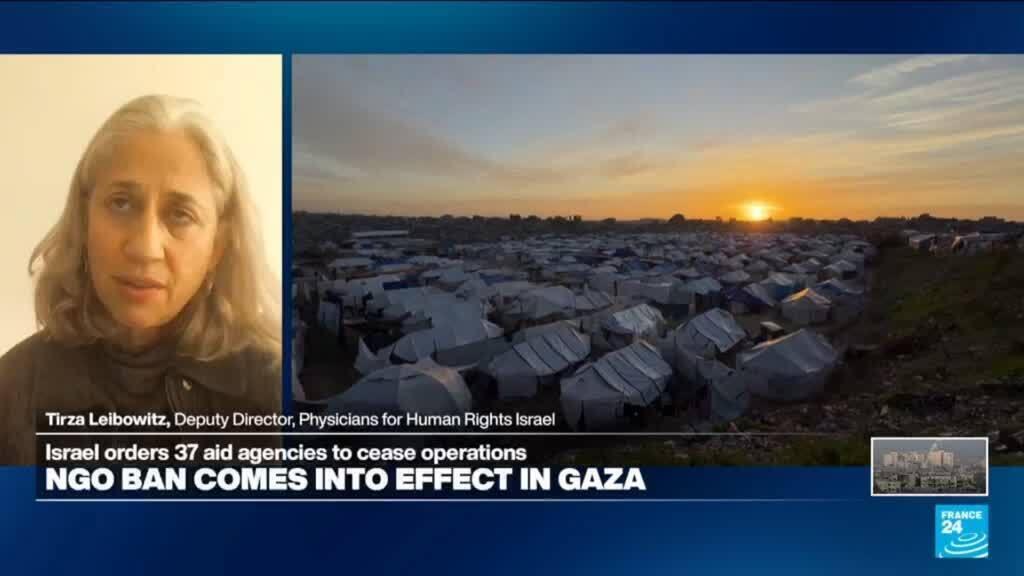
On January 2, 2026, an Israeli man who had been held captive in Gaza for two years was released, marking a poignant moment for his family and the broader community. However, the challenges he faces in rebuilding his life in the current climate are significant. The humanitarian landscape in Gaza is deteriorating rapidly, particularly following Israel's enforcement of a ban on 37 NGOs that have been providing essential aid to the region. This ban has drawn widespread condemnation and warnings of a renewed "catastrophic" humanitarian crisis.
Humanitarian Implications of NGO Ban
Israel's decision to suspend operations of several aid groups has raised alarms among international observers and humanitarian organizations. Many NGOs have expressed deep concern that the ban will severely impede aid access to the nearly two million residents of Gaza, who are already grappling with severe shortages of food, medicine, and essential services. Tirza Leibowitz, Deputy Director of Physicians for Human Rights Israel, noted that the ban "will have a profound effect" on the population, further complicating an already critical situation in the territory.
In a joint statement, over 50 international NGOs urged the Israeli government to reconsider its stance, emphasizing the need for humanitarian access and support in Gaza. The humanitarian crisis has been exacerbated by the ongoing conflict, which has left the infrastructure in tatters and the population in dire need of assistance.
Settler Violence and Political Tensions
In addition to the humanitarian issues, civil unrest in Israel has been fueled by accusations against the government regarding its handling of settler violence in the occupied West Bank. Former Prime Minister Ehud Olmert has publicly criticized the current administration, claiming that it has enabled "murderous" settler violence against Palestinians. His statements come at a time when scrutiny from the United States and other international actors is increasing, placing additional pressure on the Israeli government to address the surge in violence.
The situation in the West Bank has seen a troubling rise in attacks attributed to Israeli settlers, raising concerns about the safety and security of Palestinian communities. This violence has further complicated the already tense atmosphere, contributing to a cycle of retaliation and unrest that many fear will only escalate if not addressed.
Conclusion
As the region grapples with these intertwined crises, the recently released hostage represents a personal victory amid broader systemic failures. The humanitarian situation in Gaza remains precarious, compounded by political tensions and accusations of violence that threaten to destabilize relations further. Moving forward, the calls for humanitarian access and accountability in governance underscore the urgent need for a resolution to the ongoing conflicts that continue to shape the realities of life for Israelis and Palestinians alike.