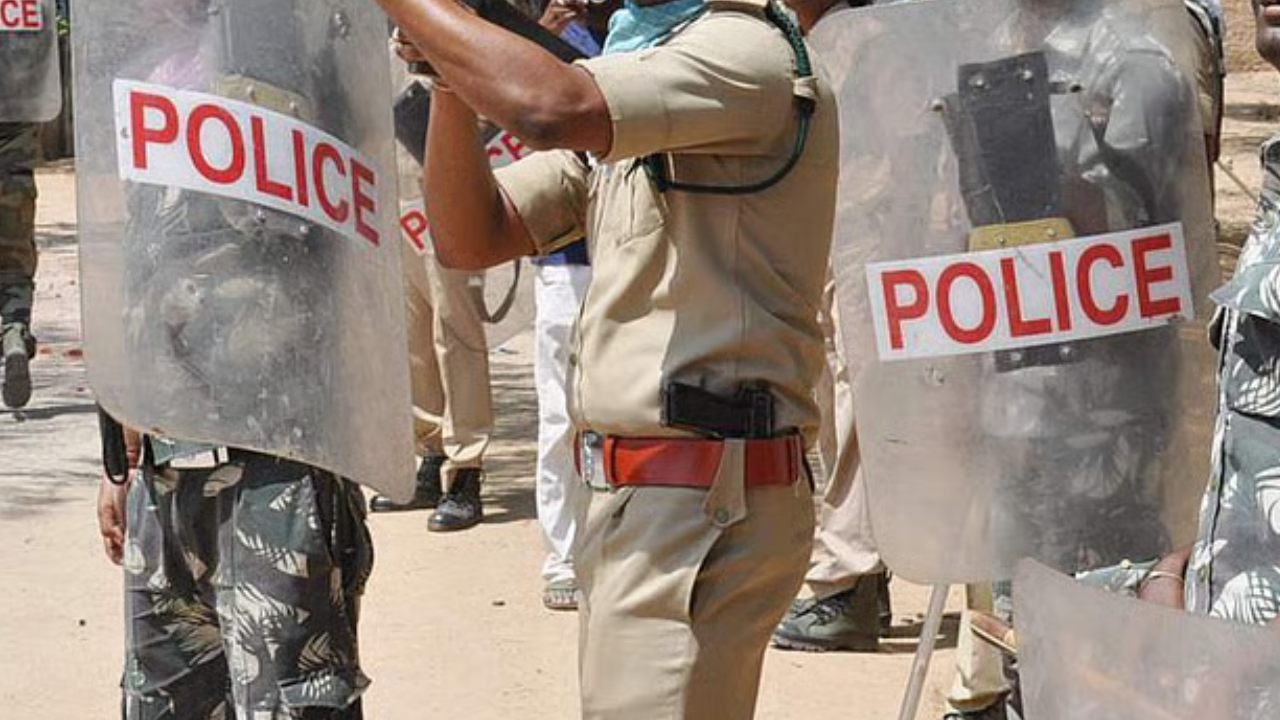

Civil Unrest in India: Protests Escalate Following Violence Against Woman Constable
Recent civil unrest in India has raised alarms as protests and confrontations with law enforcement have intensified in various regions. The situation escalated dramatically in Raigarh, Chhattisgarh, where a woman constable was violently attacked during an anti-mining protest on January 2, 2026. This incident has sparked further tensions and confrontations between villagers and police, leading to road blockages and heightened unrest.
According to reports, the woman constable was not only attacked but also stripped and filmed by protestors, an act that has drawn widespread condemnation. In response to the violence, law enforcement apprehended two men believed to be involved in the attack. The incident occurred amid increasing discontent over mining activities in the area, which many locals claim are damaging their environment and livelihoods.
In the aftermath of the attack, villagers confronted police forces, resulting in a chaotic scene as roads were blocked in protest of both the mining activities and the violence against the constable. Eyewitnesses described a tense atmosphere as locals expressed their outrage over the incident and the perceived failure of authorities to protect them from outside interests.
In a parallel development, unrest has also been reported in West Bengal, where tensions flared after police attempted to arrest a member of the Trinamool Congress (TMC) party. On January 3, 2026, a mob attacked police officers in Sandeshkhali, injuring six as they responded to the unrest. The mob reportedly pelted stones and vandalized a police vehicle, leading to the detention of two local TMC leaders accused of inciting the violence. This incident highlights the increasingly volatile political landscape in India, where protests over various issues are becoming more frequent and aggressive.
The two events in Raigarh and West Bengal illustrate a broader trend of civil unrest across India, often fueled by local grievances against government policies, environmental issues, and political affiliations. As these protests escalate, the response from authorities has become a focal point of contention, with many citizens questioning the efficacy and motivations of law enforcement.
Background
India has a long history of civil unrest linked to political, social, and economic issues. Protests often arise from local grievances related to land use, environmental degradation, and political representation. The anti-mining protests in Raigarh are rooted in concerns over the impact of mining on local ecosystems and the rights of indigenous communities. Similarly, the unrest in West Bengal reflects deeper political divisions and frustrations with governance.
As the situation develops, it remains to be seen how authorities will address the growing tensions and whether they will take steps to mitigate the underlying issues prompting these protests. The incidents highlight the need for dialogue between the government and local communities to find sustainable solutions that respect both environmental and social justice.
Conclusion
The recent violence in Raigarh and the mob attack in West Bengal underscore the increasing challenges facing law enforcement and policymakers in managing civil unrest in India. As communities express their frustrations over a range of issues, the potential for further escalation remains high. It is crucial for authorities to engage with citizens to restore trust and address the root causes of discontent in order to prevent further incidents of violence and unrest.






