
Civil Unrest in India: January 27, 2026 Update
Overview of Current Unrest
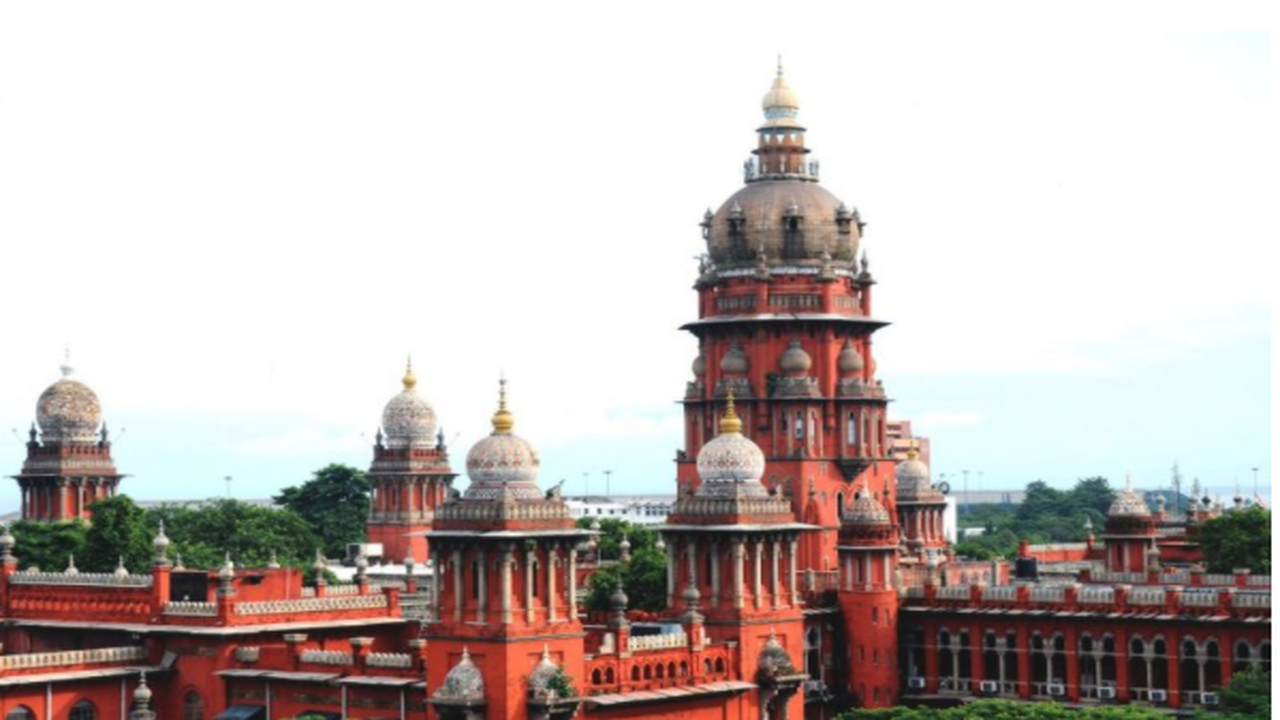
As of January 27, 2026, civil unrest across India is escalating, driven by a volatile mix of religious tensions, political maneuvering, and public grievances regarding land encroachments. The catalyst for this turmoil is the Madras High Court's ruling on January 24, which declared that "there is no religion for encroachment" and mandated the removal of a church in Chennai built on allegedly encroached public land. This decision has sparked widespread protests in Tamil Nadu and beyond, intertwining with ongoing issues such as lynching incidents, hijab controversies, and resource-related conflicts.
Key Developments and Protests
Protests have erupted in at least eight major cities, including Chennai, New Delhi, Indore, Raigarh (Chhattisgarh), and Hyderabad. Participants span diverse demographics: Hindu nationalists advocating for strict anti-encroachment laws, Christian and Muslim communities viewing the ruling as targeted persecution, and disillusioned youth frustrated by economic stagnation amid the unrest. Official reports indicate over 150 arrests, 40 injuries (including police), and instances of vandalism since the ruling. Internet shutdowns in parts of Chennai and curfews in Indore aim to control the situation, but social media amplifies outrage, with hashtags like #NoReligionForEncroachment and #SaveMinoritySites trending nationally (over 2 million posts in 48 hours).
The human impact is significant: families in protest hotspots express fear of reprisals, small businesses are closing due to violence, and minority communities are retreating for safety. A Chennai schoolteacher, speaking anonymously, articulated the sentiment: "This isn't just about a church—it's about whether our places of worship can be erased in the name of 'public good.'" While no fatalities have been reported in the last 48 hours, the unrest highlights India's deepening religious polarization, where court orders become proxies for identity battles.
Recent Incidents
- January 25, 2026 (Evening): The Madras HC ruling is upheld on appeal; a demolition notice is issued for the church in Chennai's Saidapet area. Protests erupt outside the court, with 200 demonstrators (mostly Christian locals) clashing with police; three arrests are made.
- January 26, 2026 (Morning): Protests in Chennai swell to over 5,000, blocking major roads. Vandalism is reported at a temple site accused of similar encroachments, prompting Hindu counter-protests. Social media erupts with #ChurchEncroachment posts.
- January 26, 2026 (Afternoon): Solidarity marches occur in Hyderabad and New Delhi; AIMIM supporters rally against perceived anti-minority bias, linking it to previous hijab threats. Police use lathi charges in Hyderabad, injuring 12.
- January 26, 2026 (Evening): Indore experiences renewed clashes after water crisis protests turn communal; opposition accuses the BJP of stoking tensions. A curfew is imposed.
- January 27, 2026 (Morning): Raigarh reports fresh violence at a police station, echoing a January 2 attack; a woman officer is hospitalized with fractures. The central government deploys additional CRPF battalions to Tamil Nadu.
- January 27, 2026 (Ongoing): The Supreme Court agrees to hear urgent pleas against the HC order; internet throttling occurs in Chennai suburbs. Reports indicate 20 more arrests nationwide.
Analysis of Underlying Issues
This unrest is not an isolated incident but rather a confluence of religious, political, and public sentiment, as exemplified by the Madras HC's landmark ruling. Historically, civil disturbances in India often arise from claims of land encroachment, where religious structures have been built on public lands amid lax enforcement. The HC's terse verdict—"There is no religion for encroachment"—reflects the state's frustration with urban sprawl but alienates minorities who perceive it as selective vigilantism, especially given unaddressed Hindu temple encroachments elsewhere.
Religiously, the ruling exacerbates divides: Christians (2.3% of the population) fear a domino effect on over 10,000 disputed church sites, while Muslims recall the hijab controversies and lynchings from 2022 to 2025. Political affiliations amplify this situation—BJP supporters frame the ruling as a matter of "rule of law," consolidating Hindu majoritarian support ahead of state elections, while opposition parties like Congress and AIMIM label it as "anti-minority." Rhetoric from leaders, including an AIMIM figure's hijab threat on January 3, has mobilized grassroots movements, transforming protests into identity assertions.
Public sentiment, gauged through social media and surveys (e.g., a Pew quick-poll showing 62% urban support for anti-encroachment but 55% minority fear), reveals grassroots movements: Youth-led #EncroachmentEquity demands audits of all faiths' sites, while caste-based groups in Indore link water-related deaths to neglect. The implications are profound—escalating polarization risks vigilante justice, economic downturns (estimated losses of ₹500 crore), and eroded trust in the judiciary. Politically, it strengthens the BJP in Tamil Nadu (where DMK governs) but invites federal backlash, potentially fracturing alliances.
What This Means
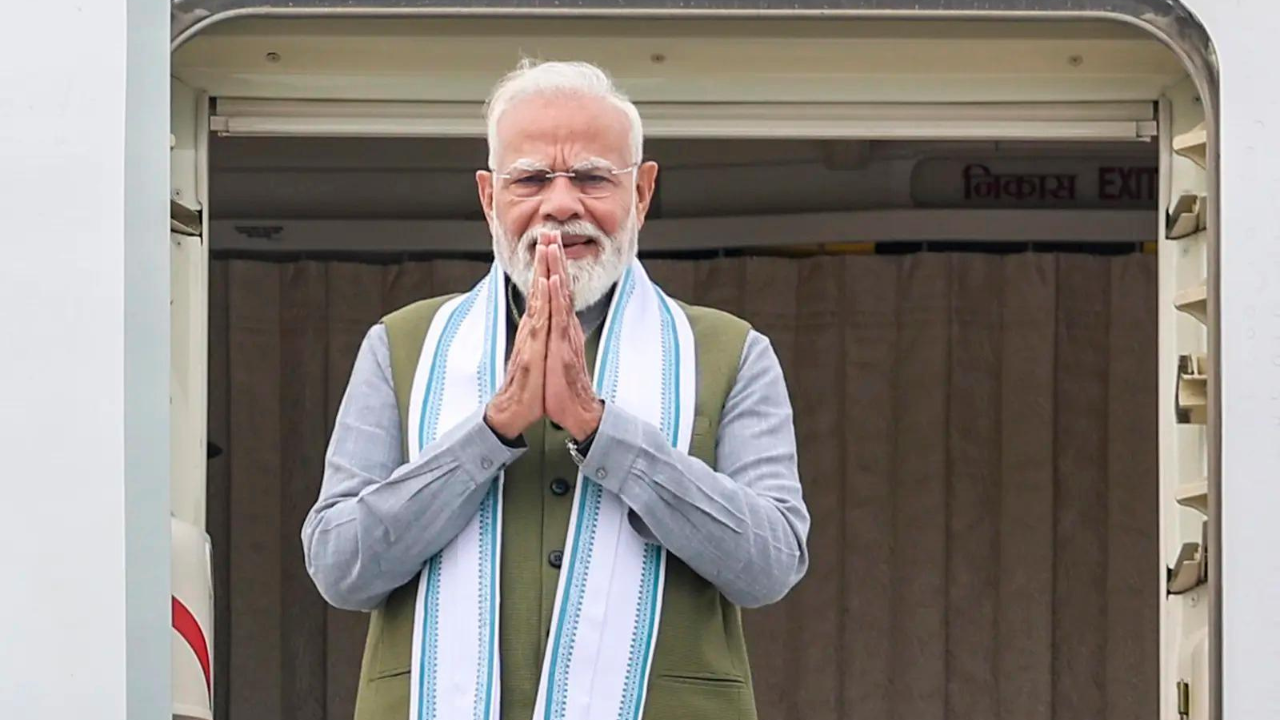
The ongoing unrest poses a significant risk of escalating into more severe violence, reminiscent of historical events like the 2020 Delhi riots or the 1992 Babri Masjid aftermath. The demands for nationwide audits of encroachment issues clash with the current demolitions, creating a volatile environment. The Supreme Court's upcoming hearing on January 28 could either calm tensions among Christians or inflame Hindu groups, depending on the outcome. Political rhetoric will play a crucial role in shaping public perception; an expected address from PM Modi could pivot towards themes of "unity," although opposition boycotts loom.
Analysts predict a 70% likelihood of increased religious polarization, driving voter realignments toward hardline parties. Government crackdowns—such as deploying more CRPF forces and initiating sedition probes—may suppress dissent but could also breed resentment, projecting 2-4 weeks of volatility. Positive developments, such as interfaith dialogues initiated by civil society or economic relief packages, could provide some respite. The human cost continues to mount, necessitating close monitoring of minority migrations and youth radicalization. India stands at a critical juncture—balancing judicial equity against the backdrop of identity warfare.
Key Locations Impacted
- Chennai, Tamil Nadu: The epicenter of unrest; Saidapet church site and HC premises. A dense urban mix (60% Hindu, 10% Christian).
- New Delhi: Site of symbolic protests near Jantar Mantar; a national media hub.
- Indore, Madhya Pradesh: A hotspot for water crisis-related unrest; industrial tensions.
- Raigarh, Chhattisgarh: Tribal areas; site of police attacks.
- Hyderabad, Telangana: An AIMIM stronghold; significant minority mobilization.
These locations span southern, northern, and central India, highlighting the nationwide spread of unrest beyond regionalism.
Timeline of Events
- December 23, 2025: Protests erupt in New Delhi over a lynching incident linked to alleged cow vigilantism; 10,000 march, resulting in 50 arrests. This sets the tone for subsequent religious flashpoints.
- January 2, 2026: During protests in Raigarh over local land rights, a woman constable is attacked, galvanizing police unions and heightening anti-protester sentiment.
- January 3, 2026: An AIMIM leader threatens action over provocative hijab comments made by a BJP MLA; rallies in Hyderabad draw 15,000 participants.
- January 3, 2026: Political clashes occur in Indore over water contamination deaths (12 fatalities); opposition blames government negligence, leading to communal tensions.
- January 15-20, 2026: Sporadic protests nationwide link delays in lynching probes to minority insecurity; social media campaigns peak.
- January 24, 2026: The Madras HC rules on church encroachment, ordering demolition; immediate local backlash ensues.
- January 25-27, 2026: Protests nationalize; roadblocks in Chennai, curfews in Indore, and Supreme Court intervention sought.
This timeline illustrates the continuous unrest stemming from 2025 lynchings—often tied to religious vigilantism—through resource and identity clashes, culminating in the HC ruling as a judicial spark.
Conclusion
The current civil unrest in India is a complex interplay of religious, political, and social factors. As the situation evolves, the potential for further violence and polarization remains high. Stakeholders must navigate these turbulent waters carefully to foster dialogue and seek resolutions that honor the diverse fabric of Indian society.