
Civil Unrest in India: AIMIM Leader's Strong Response to Hijab Controversy
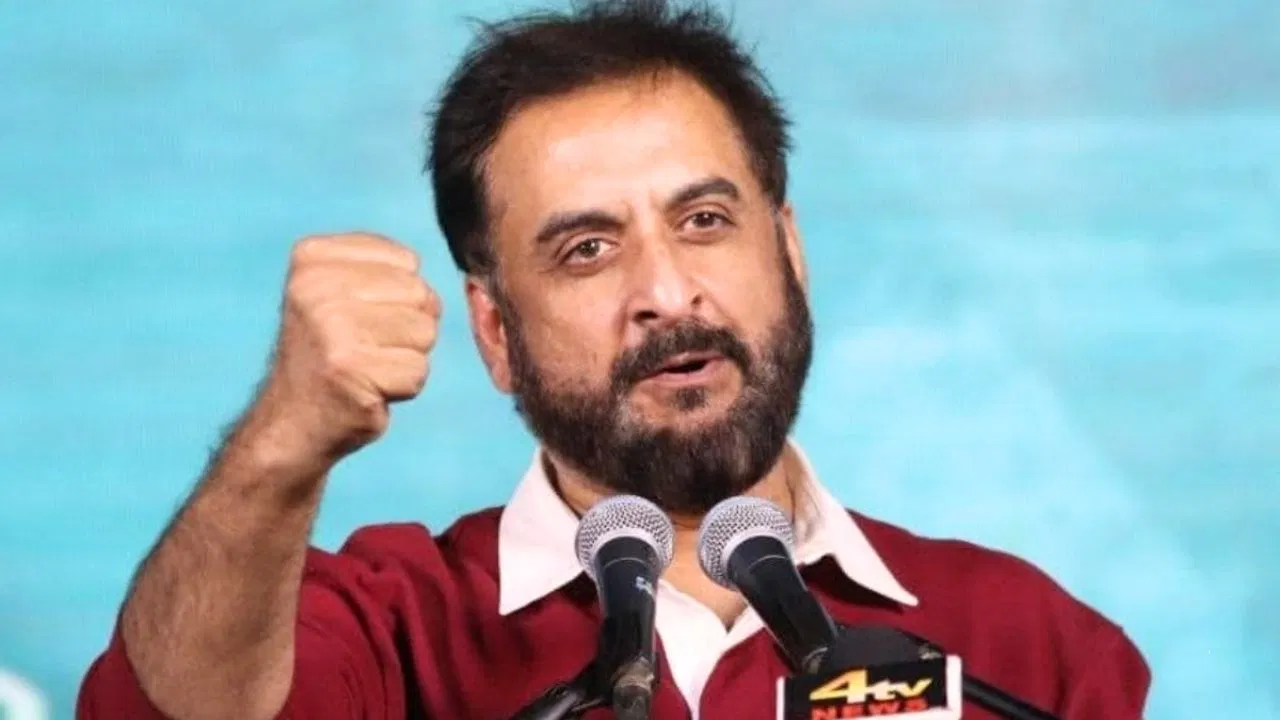
In a significant demonstration of civil unrest, All India Majlis-e-Ittehadul Muslimeen (AIMIM) leader Imtiaz Jaleel has issued a stark warning regarding the harassment of Muslim women, following controversial remarks made by a minister from Uttar Pradesh. During a rally in Jalna on January 3, 2026, Jaleel condemned the minister's comments related to the ongoing hijab controversy, vowing to take severe action against anyone who harasses Muslim women.
Jaleel's remarks were both passionate and pointed, stating, "I will cut off the hand of any individual who dares to touch Muslim women with ill intent." This declaration underscores the heightened tensions surrounding the hijab debate, which has ignited fierce discussions across various Indian states. The AIMIM leader accused the ruling Bharatiya Janata Party (BJP) and other secular parties of failing to protect the rights of Muslim women, asserting that these groups have been complicit in allowing a culture of intimidation to proliferate.
The context of this unrest can be traced to a broader societal discourse on religious attire and women's rights in India. The hijab issue has been a flashpoint in multiple states, particularly following a series of incidents where Muslim women have faced harassment and discrimination for wearing traditional Islamic headscarves. Jaleel’s comments come amid ongoing debates about personal freedoms, religious expression, and the role of government in regulating such matters.
This rally, which drew considerable attention, is part of a larger movement where community leaders are increasingly vocal about the perceived injustices faced by minority groups in India. Jaleel's assertion reflects a growing frustration among Muslim communities regarding the treatment of women and the need for protective measures against harassment.
The remarks from the UP minister, which sparked Jaleel's strong response, have not only reignited discussions about the hijab but also highlighted the potential for increased polarization in Indian society. Observers warn that such incidents could lead to further unrest if not addressed constructively by political leaders and civil society.
As the situation develops, the AIMIM and other community organizations are expected to intensify their advocacy for the rights of Muslim women, potentially leading to protests and rallies across various states. The response from the government, particularly from the BJP, will be critical in managing the fallout from this controversy and addressing the underlying issues of religious and gender discrimination.
The hijab controversy serves as a reminder of the complex interplay between religion, politics, and gender in India, where cultural identities are often at the forefront of political discourse. As tensions continue to rise, the actions taken by both community leaders and government officials will shape the landscape of civil rights and religious freedoms in the country.
In conclusion, the recent statements by AIMIM leader Imtiaz Jaleel highlight the ongoing struggles faced by Muslim women in India amidst a backdrop of rising social tensions. As civil unrest escalates around issues of faith and identity, the nation watches closely, anticipating the implications for communal harmony and women's rights moving forward.






