
Civil Unrest Grips Parts of India: Mamata Banerjee Leads Anti-ED Protests in West Bengal as Uttarakhand Sees Fresh Demonstrations Over Murder Probe
New Delhi, January 9, 2026 – Political tensions boiled over into street protests and public unrest in two Indian states on Friday, highlighting deepening divides ahead of key elections. In West Bengal, Chief Minister Mamata Banerjee took to the streets to rally against the Enforcement Directorate (ED), accusing the central government of misusing federal agencies for political gain. Meanwhile, in Uttarakhand, fresh protests erupted amid the state government's announcement recommending a Central Bureau of Investigation (CBI) probe into the long-standing Ankita Bhandari murder case.
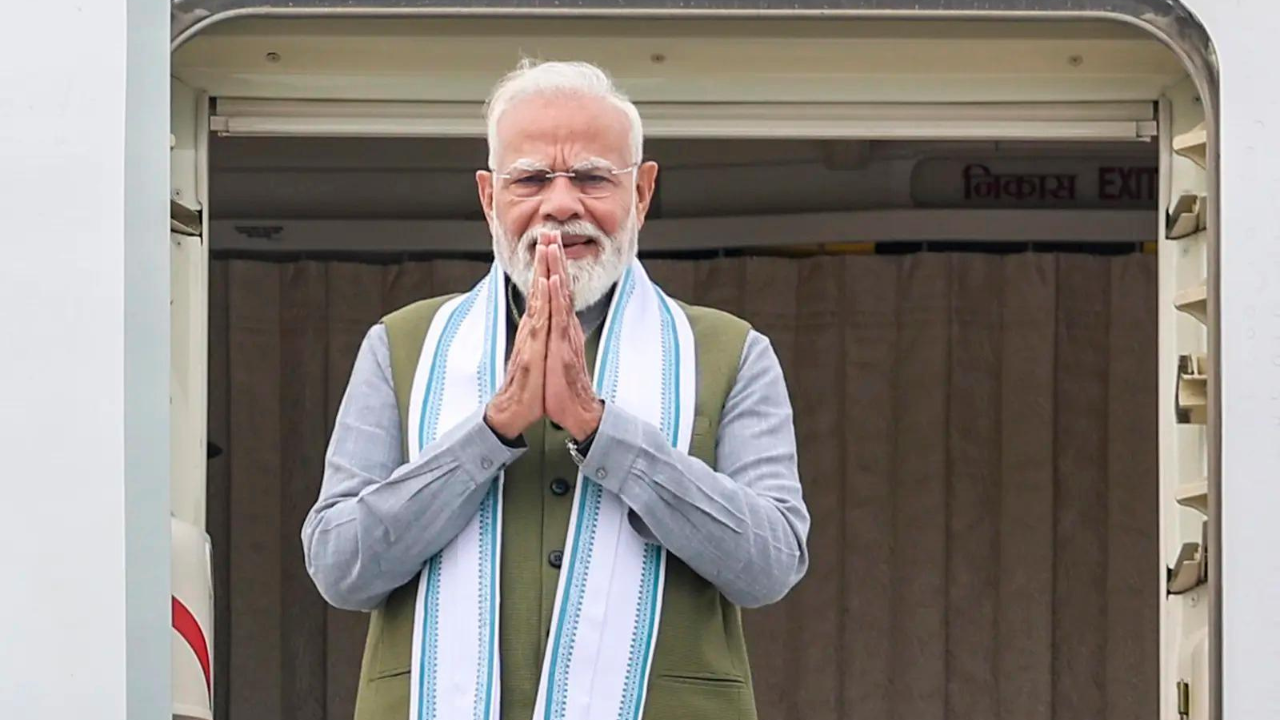
The demonstrations in West Bengal marked a significant escalation in the state's charged political atmosphere, just months before anticipated assembly polls. Chief Minister Banerjee, leader of the ruling Trinamool Congress (TMC), spearheaded a street protest directly targeting the ED. The agency had conducted raids on the offices of I-PAC, a political consulting firm allegedly linked to TMC's election strategies. Banerjee accused the Centre, dominated by the opposition Bharatiya Janata Party (BJP), of weaponizing investigative bodies to undermine her government ahead of the elections.
The protests were accompanied by legal skirmishes. An FIR was filed against ED officials, prompting chaos in a Kolkata courtroom where proceedings were adjourned amid heated exchanges. Both TMC and BJP traded sharp accusations, with Banerjee's camp decrying "vendetta politics" and the ED maintaining its actions were part of ongoing investigations into financial irregularities. The unrest led to significant public mobilization, with supporters blocking key areas and raising slogans against central interference.
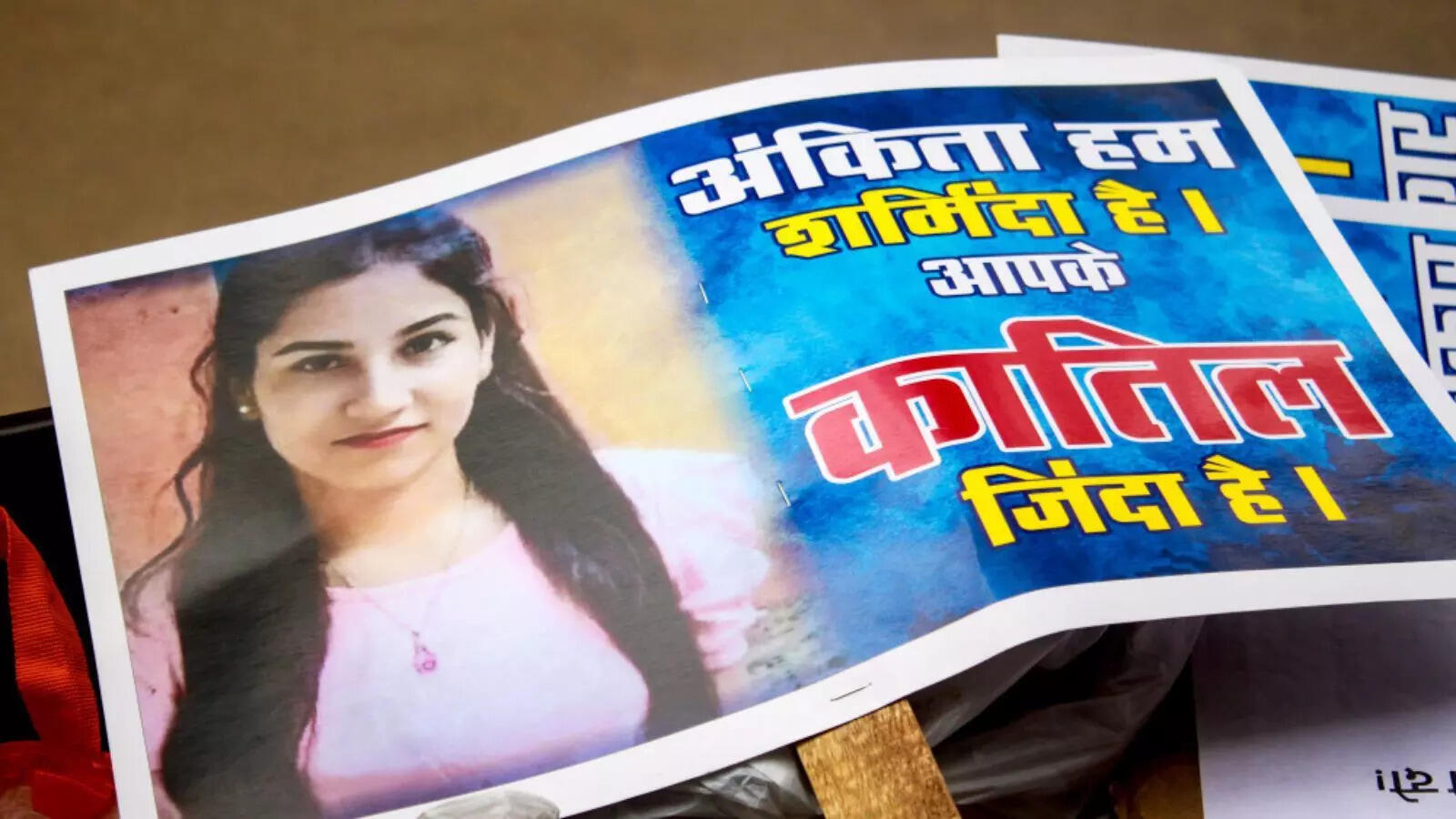
In Uttarakhand, parallel unrest unfolded over the 2022 murder of Ankita Bhandari, a 19-year-old receptionist at a resort in Pauri Garhwal district. The case drew national attention after the prime accused, Pulkit Arya, was identified as the son of a former BJP minister. Fresh protests rocked the state on Friday, coinciding with the BJP-led Uttarakhand government's formal recommendation for a CBI probe into the investigation.
Chief Minister Pushkar Singh Dhami's administration framed the decision as "honouring her parents," responding to persistent demands from the victim's family and civil society groups. The announcement came amid ongoing demonstrations, which have intensified calls for a thorough, independent inquiry. Protesters expressed frustration over perceived delays and lapses in the initial police probe, which had already led to arrests but failed to quell public outrage.
Background on the Unrest
West Bengal's confrontation reflects a broader pattern of friction between the TMC-led state government and central agencies. The ED has been probing multiple cases involving TMC leaders, including allegations of money laundering and coal smuggling, often cited by Banerjee as examples of selective targeting. With West Bengal's assembly elections looming—last held in 2021 when TMC secured a landslide—these raids on I-PAC have fueled narratives of electoral sabotage. I-PAC, known for its data-driven campaign strategies, has worked with various parties, but its scrutiny has amplified TMC's grievances.
In Uttarakhand, the Ankita Bhandari case originated in September 2022 when her body was found pushed off a cliff. The Uttarakhand High Court had previously taken suo motu cognizance, criticizing the initial investigation and directing a preliminary inquiry report. Despite arrests, including Arya and two employees, activists and the family have long demanded a federal agency takeover, pointing to political influence. The state's BJP government, in power since 2017, faces local elections in 2027, making the timing sensitive amid accusations of protecting insiders.
These incidents underscore a national trend where local grievances intersect with partisan battles. Civil unrest in India has historically surged around high-profile cases and poll seasons, from farmers' protests in 2020-2021 to recent ethnic clashes in Manipur. Verified data from government and media reports indicate medium-severity disruptions in both states, with no major violence reported as of Friday evening but potential for escalation.
Outlook
As night fell on January 9, security was bolstered in protest hotspots in Kolkata and Uttarakhand's hill districts. Political observers note that such events could polarize voters further, benefiting hardline stances in West Bengal's bipolar TMC-BJP contest and Uttarakhand's BJP stronghold. The CBI recommendation may assuage Uttarakhand protesters temporarily, while West Bengal's standoff risks prolonged legal and street-level friction. Authorities urged calm, but with polls on the horizon, these sparks of unrest signal a volatile start to 2026's political calendar.
(Word count: 612)