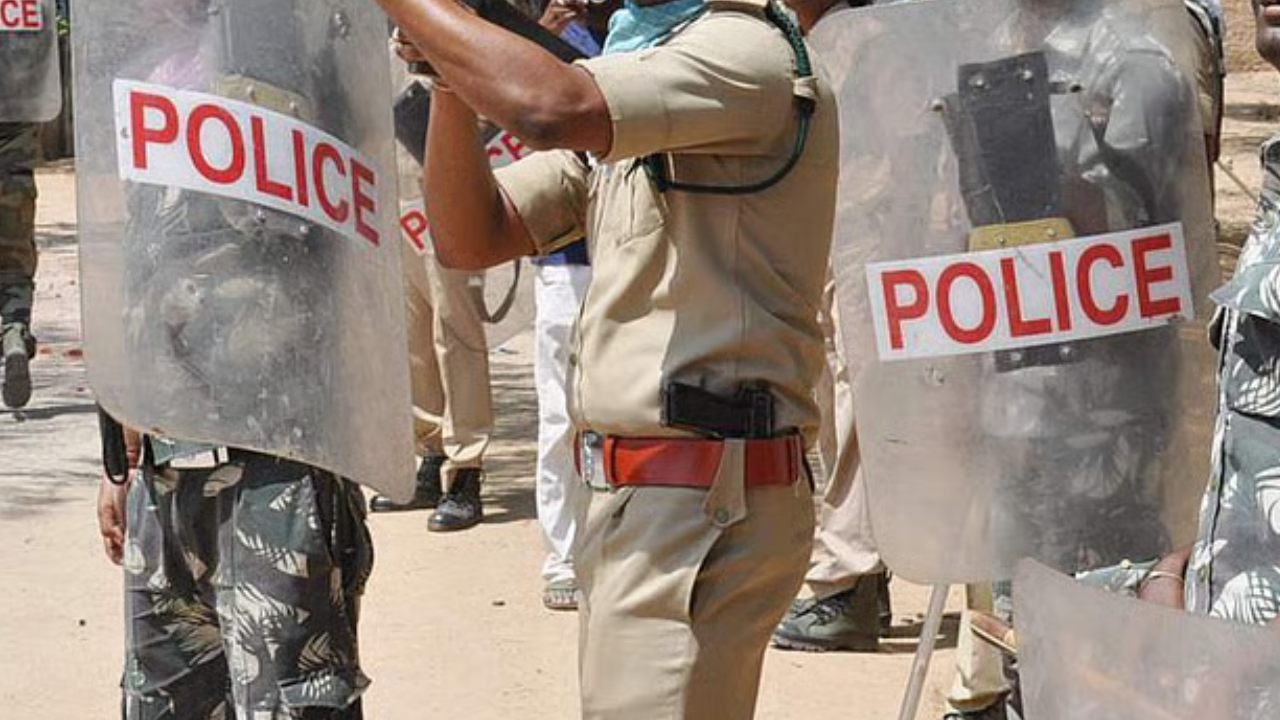

Civil Unrest Erupts in India Amid Protests and Police Clashes
Recent events in India have seen a spike in civil unrest, particularly highlighted by an alarming incident in Raigarh, Chhattisgarh, where a woman constable was attacked during an anti-mining protest. This incident has not only escalated tensions within the local community but has also drawn attention to the broader issues of law enforcement and public dissent in the country.
On January 2, 2026, during a protest against mining activities, villagers confronted police officials, leading to a violent altercation. Reports indicate that the woman constable was attacked, stripped, and filmed by protesters, prompting outrage and condemnation. In response to the violence, police arrested two men allegedly involved in the assault. The situation quickly deteriorated as villagers blocked roads in protest against police actions, resulting in heightened tensions in the area.
The incident in Raigarh is reflective of a growing pattern of civil unrest across India, where public protests have increasingly turned violent. The anti-mining protests in particular have gained momentum as local communities express their opposition to mining operations, citing environmental and social concerns. Activists argue that such projects threaten their livelihoods and natural resources.
In a related event, civil unrest has also been reported in West Bengal, where a mob attacked police officers during the arrest of a member of the Trinamool Congress (TMC) party. On January 3, 2026, six police personnel were injured as they attempted to detain TMC activist Musa Mollah. The situation escalated as villagers reportedly pelted stones and vandalized police vehicles, leading to further arrests of local TMC leaders accused of instigating the violence.
These incidents are indicative of the broader challenges facing law enforcement in India. The escalation of protests and the subsequent confrontations with police highlight the growing discontent among various social groups. Activists and local leaders are increasingly vocal about their grievances, which often revolve around issues of governance, environmental protection, and human rights.
The Indian government has faced criticism for its handling of protests, with many accusing authorities of using excessive force to quell dissent. The recent incidents in Raigarh and West Bengal illustrate the fragile balance between maintaining public order and respecting citizens' rights to protest peacefully.
As tensions continue to simmer in these regions, the outlook remains uncertain. With ongoing protests against mining and political unrest in various states, the potential for further violence remains high. Analysts suggest that if the government does not address the underlying issues fueling these protests, civil unrest may continue to escalate across the country.
In conclusion, the recent incidents in Raigarh and West Bengal underscore the complex landscape of civil unrest in India. As communities fight for their rights and voice their concerns, the government's response to these challenges will be crucial in determining the future of public order and civil liberties in the nation.






