
CIA Rejects Putin's Attack Claim Amid Rising Tensions
In a significant escalation of rhetoric surrounding the ongoing Russia-Ukraine conflict, the Central Intelligence Agency (CIA) has publicly dismissed claims made by Russian President Vladimir Putin regarding an alleged Ukrainian attack on his residence. This assertion comes as Russia presents what it claims to be evidence of the attack, intensifying fears of further military confrontations in the region.
On January 2, 2026, President Putin alleged that Ukraine had launched an attack on his official residence, an assertion that the CIA has categorically rejected. The agency labeled the claims as baseless, underscoring the ongoing mistrust and propaganda tactics utilized by both sides in the protracted conflict that has persisted since February 2022.
In response to these allegations, Russian officials have been quick to release what they describe as corroborating evidence for the attack. However, the specifics of this evidence remain unclear, and independent verification has not been publicly provided. This development is further complicating the already tense geopolitical landscape, where misinformation and disinformation campaigns are prevalent.
The CIA's dismissal of Putin's claims highlights a growing concern among Western intelligence agencies regarding Russia's narrative surrounding the conflict. Analysts suggest that such statements may be intended to rally domestic support or justify further military actions against Ukraine.
Contextual Background
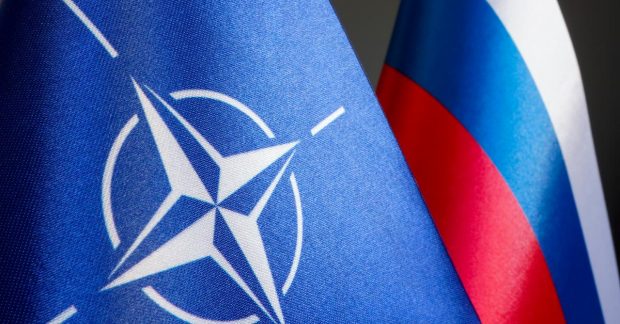
The Russia-Ukraine war has seen multiple phases of escalation and de-escalation since its onset nearly four years ago. The conflict has resulted in significant military and civilian casualties and has drawn in various global powers, leading to a complex web of alliances and hostilities. NATO's involvement and support for Ukraine have been particularly contentious issues, with Russia framing its military operations as necessary to counter NATO expansion.
Recent months have seen an increase in hostilities, particularly following the escalation of the Israel-Gaza conflict in late 2023, which has diverted attention and resources across the globe. The intersection of these conflicts has added layers of complexity to international relations, especially for Russia, which is keen to assert its influence and counter what it perceives as Western aggression.
Conclusion
As the CIA continues to reject the validity of Putin's claims, the situation remains fluid and highly sensitive. The potential for further escalation in the conflict is palpable, as both sides navigate a landscape rife with misinformation and strategic posturing. Observers will be closely watching how this recent incident influences the ongoing dynamics of the Russia-Ukraine war and the broader geopolitical landscape in 2026.






