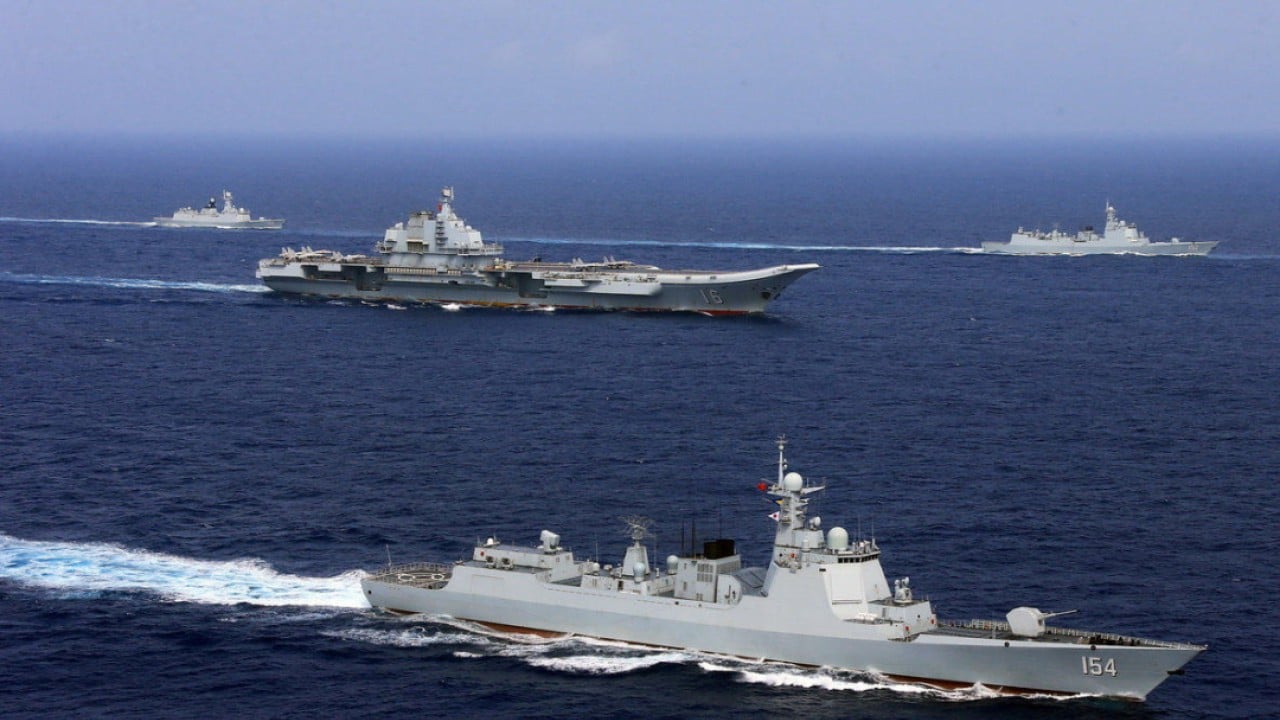

China to Lead Joint Naval Drills with BRICS Nations in South Africa
In a significant display of defense cooperation, China is set to lead joint naval drills with BRICS nations in South African waters from January 9 to 16, 2026. This exercise, named "Will for Peace 2026," marks the first substantial military collaboration among BRICS countries, which includes Brazil, Russia, India, China, and South Africa, as well as additional nations invited to participate in the drills. The upcoming exercises are expected to enhance maritime safety operations, interoperability, and maritime protection among the participating navies.
The South African National Defence Force (SANDF) announced the details of the drills, stating that the exercise will involve an intensive program aimed at improving joint operational capabilities and fostering closer ties between the BRICS Plus nations. The inclusion of China as the leading force in this collaboration has raised eyebrows, particularly within the United States, which views the growing military partnership among these nations as a potential challenge to its influence in the region.
Rising Concerns in Washington
The joint naval exercises come at a time of heightened geopolitical tensions, and the U.S. has expressed concern over China's expanding military presence and influence in various regions, including Africa. Analysts suggest that the collaboration among BRICS nations could signify a shift in global power dynamics, with the bloc positioning itself as a counterbalance to Western alliances.
The drills are set to take place in the context of ongoing maritime security challenges in the Indian Ocean, where the presence of various naval powers has intensified. The South African government has framed the exercises as a critical step toward enhancing regional security and cooperation among emerging economies.
Background on BRICS and China's Role
BRICS was established as a platform for cooperation among emerging economies, and its member states have been increasingly aligning on various fronts, including economics and defense. Over the years, China has played a pivotal role in BRICS, leveraging its economic clout to strengthen ties with other member nations.
The "Will for Peace 2026" naval exercise reflects China's commitment to expanding its influence in Africa, where it has invested heavily in infrastructure and development projects. This military engagement further solidifies China's presence and may encourage other nations to participate in similar collaborations, potentially reshaping the security landscape of the region.
Conclusion
As the "Will for Peace 2026" naval drills approach, the international community will be closely monitoring the developments stemming from this exercise. The potential for increased military cooperation among BRICS nations could signal a new phase in geopolitics, with implications for global security dynamics. For now, China’s leadership in these drills underscores its strategic ambitions in Africa and may prompt a reassessment of defense policies among Western nations, particularly the United States.






