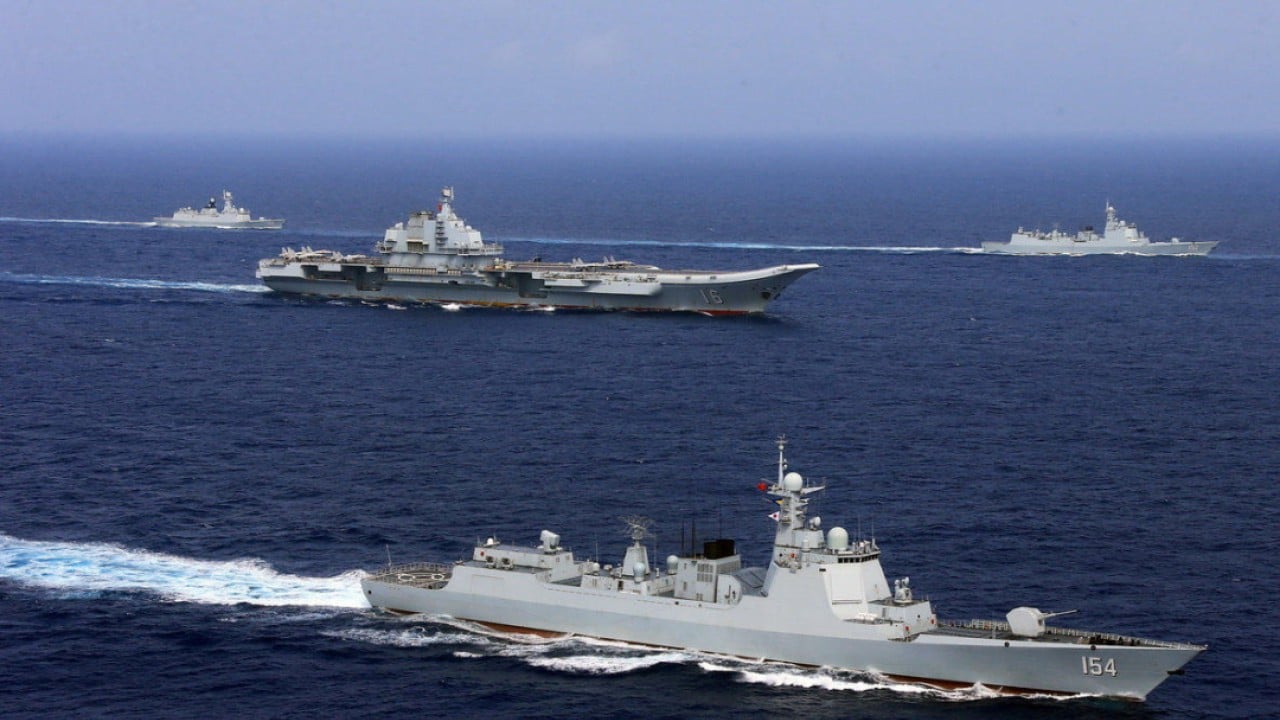

China to Lead Joint Naval Drills with BRICS Nations in South Africa
In a significant move that underscores the growing defense cooperation among BRICS nations, China is set to lead joint naval drills in South African waters from January 9 to 16, 2026. This exercise, dubbed "Will for Peace 2026," has raised concerns among Western powers, particularly the United States, regarding its implications for regional security dynamics.
The South African National Defence Force (SANDF) announced the upcoming exercises, which will involve naval forces from BRICS Plus countries, highlighting the importance of maritime safety operations and interoperability among the participating nations. The drills are designed to enhance joint operational capabilities and maritime protection strategies among the BRICS bloc, which includes Brazil, Russia, India, China, and South Africa, along with other invited nations.
According to the SANDF, the naval drills will focus on "an intensive programme of joint maritime safety operations, interoperability drills, and maritime protection serials.” This marks a pivotal moment in defense cooperation for BRICS, as it is the first time the group is engaging in such extensive joint naval exercises.
The timing of the drills is particularly notable, as it comes amidst heightened tensions between the BRICS nations and the United States. Analysts suggest that the naval exercises could be perceived as a demonstration of unity and a counterbalance to U.S. influence in the region. Washington has been closely monitoring developments within the BRICS bloc, which has been increasingly vocal about seeking a multipolar world order.
Context and Implications
The BRICS nations have been expanding their cooperation in various sectors, including economics and security, in recent years. The decision to conduct joint naval drills represents an escalation in military collaboration, which could shift the balance of power in the region.
The growing presence of Chinese military capabilities in Africa has raised alarms within the U.S. and its allies, who view such developments as a challenge to their strategic interests. The naval drills may serve not only to strengthen ties among BRICS nations but also to send a signal to Washington about the bloc's commitment to enhancing its defense posture.
Furthermore, South Africa's participation in these exercises underscores its strategic positioning within BRICS and suggests a willingness to deepen military ties with China and other member states. The country has maintained a delicate diplomatic balance, seeking to foster relationships with both Western nations and emerging powers like China.
Conclusion
As the "Will for Peace 2026" naval drills approach, the geopolitical landscape in Southern Africa is poised for significant scrutiny. The exercises could mark a turning point in BRICS military cooperation and may provoke a recalibration of U.S. foreign policy in the region. Analysts will be closely watching the outcomes of the drills, as they could have lasting implications for international relations and security in the waters surrounding South Africa.






