
China Leads Multinational Naval Drills in South African Waters, Signaling BRICS Defense Ties
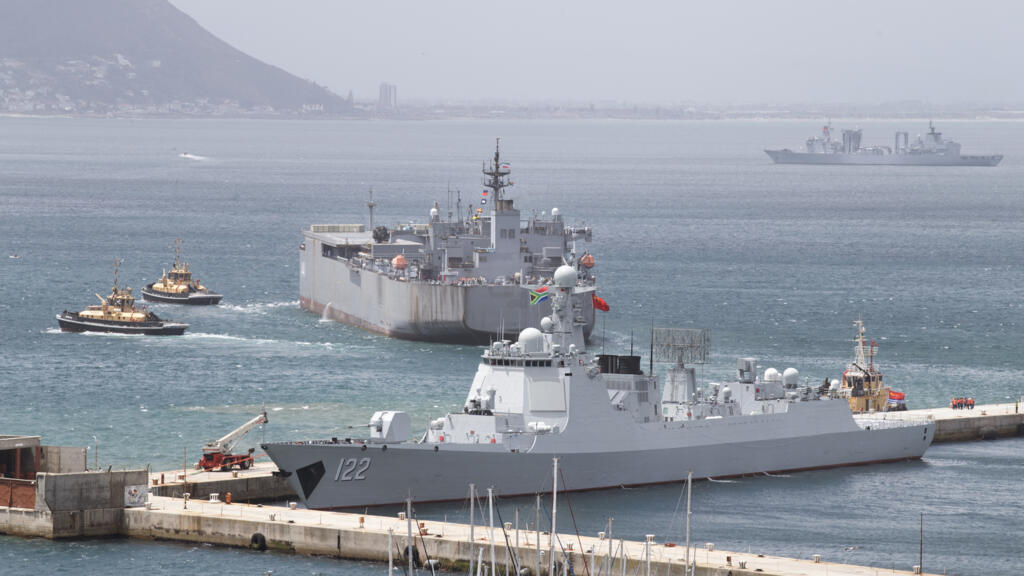
CAPE TOWN, South Africa — Warships from China, Russia, and Iran have arrived in South African ports for joint naval exercises led by China, marking a notable expansion of military cooperation among BRICS nations and their partners in the strategically vital waters off southern Africa.
The drills, which began preparations as early as January 3, 2026, and are set to launch formally on Friday, January 9, involve naval maneuvers in South African waters. According to reports, the exercises extend beyond routine sea operations, serving as a demonstration of collective influence in the Indian Ocean region. South Africa, a founding member of BRICS (Brazil, Russia, India, China, South Africa), is hosting the event, underscoring its growing role in fostering defense ties within the bloc.
Reports from RFI highlight that the joint exercise with China, Russia, and Iran represents South Africa's intent to project power in southern Africa, an area of increasing strategic value to Moscow and Beijing. Key assets participating include Chinese, Russian, and Iranian naval vessels that have docked in South African harbors ahead of the drills. Al Jazeera confirmed the arrival of these warships, noting it as evidence of deepening military collaboration among the involved nations.
Strategic Context in the Indian Ocean
The Indian Ocean holds immense geopolitical significance due to its role as a conduit for global trade, with over 80% of the world's seaborne oil passing through its waters. Southern Africa, bordering the ocean's southwestern rim, is pivotal for controlling maritime routes around the Cape of Good Hope, an alternative to the Suez Canal amid regional disruptions. For China and Russia, the region offers opportunities to expand influence beyond traditional Western spheres, particularly as Beijing invests heavily in African infrastructure through its Belt and Road Initiative.
South Africa's participation aligns with its post-apartheid foreign policy of non-alignment and multilateralism. As a BRICS member since 2010, the country has balanced relations with both Eastern powers and the West. The exercises come amid BRICS expansion efforts; the group admitted Egypt, Ethiopia, Iran, Saudi Arabia, and the United Arab Emirates as full members in early 2024, with Iran’s inclusion formalizing its role in such collaborations. While India—a core BRICS member—is not explicitly mentioned in these drills, the event fits into broader BRICS+ defense initiatives aimed at countering NATO dominance.
These maneuvers follow a pattern of multinational naval activities. China has previously led similar exercises, such as the "Maritime Security Belt" drills in 2024 with multiple nations, emphasizing interoperability. Russia has conducted joint patrols with China in the Pacific, while Iran has participated in BRICS-related naval engagements in the Gulf of Oman. The South African-hosted event is distinct for its focus on the South Atlantic-Indian Ocean nexus.
Broader Geopolitical Implications
The drills occur against a backdrop of heightened global tensions. Washington has expressed concerns over deepening Sino-Russian ties in Africa, viewing them as challenges to U.S. security interests. The U.S. maintains a strong naval presence in the Indian Ocean via bases in Diego Garcia and partnerships with allies like India through the Quad framework. Analysts note that such BRICS-led exercises could complicate Western freedom of navigation operations, though the drills are described as defensive and focused on anti-piracy and search-and-rescue scenarios common in multinational formats.
South Africa's neutral stance has drawn scrutiny from the U.S. and EU, particularly after its 2023 ICJ case accusing Israel of genocide in Gaza and its expulsion from the U.S. AGOA trade program in 2025 over perceived anti-Western leanings. However, Pretoria emphasizes sovereignty and multipolarity, with President Cyril Ramaphosa advocating BRICS as a platform for Global South voices.
No incidents have been reported from the arriving warships, and South African officials have framed the event as routine cooperation. The exercises are expected to last several days, involving live-fire drills, tactical maneuvers, and personnel exchanges.
Background on BRICS Military Cooperation
BRICS originated as an economic forum but has evolved into a geopolitical counterweight. Defense ties accelerated post-2022 Ukraine conflict, with joint air exercises in 2023 and naval patrols thereafter. South Africa hosted virtual BRICS defense ministers' meetings in 2024, laying groundwork for physical drills. Iran's involvement reflects its 2024 BRICS membership and shared interests in challenging U.S. sanctions through maritime partnerships.
While the severity of this event is rated medium, it amplifies trends of de-dollarization and alternative security architectures. The U.S. State Department has yet to issue a formal statement, but prior critiques of BRICS expansions suggest monitoring ahead.
In summary, these naval drills represent a milestone in BRICS defense integration, bolstering South Africa's regional clout while spotlighting the Indian Ocean's contest for influence. As participants refine interoperability, the exercises may pave the way for more frequent collaborations, reshaping maritime dynamics in a multipolar world.
(Word count: 712)






